


New Delhi: A sharp surge in global crude oil prices is raising alarm across financial markets and policy circles, with economists warning that the spike could significantly slow the world economy in 2026. According to Gita Gopinath, the former Chief Economist of the International Monetary Fund, persistently high oil prices could reduce global economic growth and push inflation higher next year.
Direct Impact on Growth and Inflation
Gopinath noted that if crude oil averages around $85 per barrel in 2026, global GDP growth could decline by 0.3 to 0.4 percentage points. At the same time, global inflation could rise by around 60 basis points.
Before the latest geopolitical tensions, economists had projected global growth at about 3.3% for 2026, assuming oil prices would average around $65 per barrel. The recent surge in energy prices has significantly altered that outlook.
Oil Prices Jump 41% in Two Weeks
International crude prices have witnessed an extraordinary spike in a very short period. On February 27, crude was trading near $73 per barrel, but within just 15 days, prices surged to around $103 per barrel, marking an increase of more than 40%.
The rapid rise has rattled global markets and sparked fears of renewed inflationary pressures worldwide.
Escalating Conflict Drives the Surge
The dramatic increase in oil prices has largely been driven by escalating military tensions involving the United States, Israel, and Iran. Reports suggest that direct military strikes on Iranian military infrastructure on February 28 intensified the conflict, significantly destabilizing the region.
There are also unconfirmed reports claiming that Iran’s Supreme Leader, Ali Khamenei, may have been killed during the attacks, further heightening geopolitical uncertainty across the Middle East.
Strategic Strait of Hormuz Under Threat
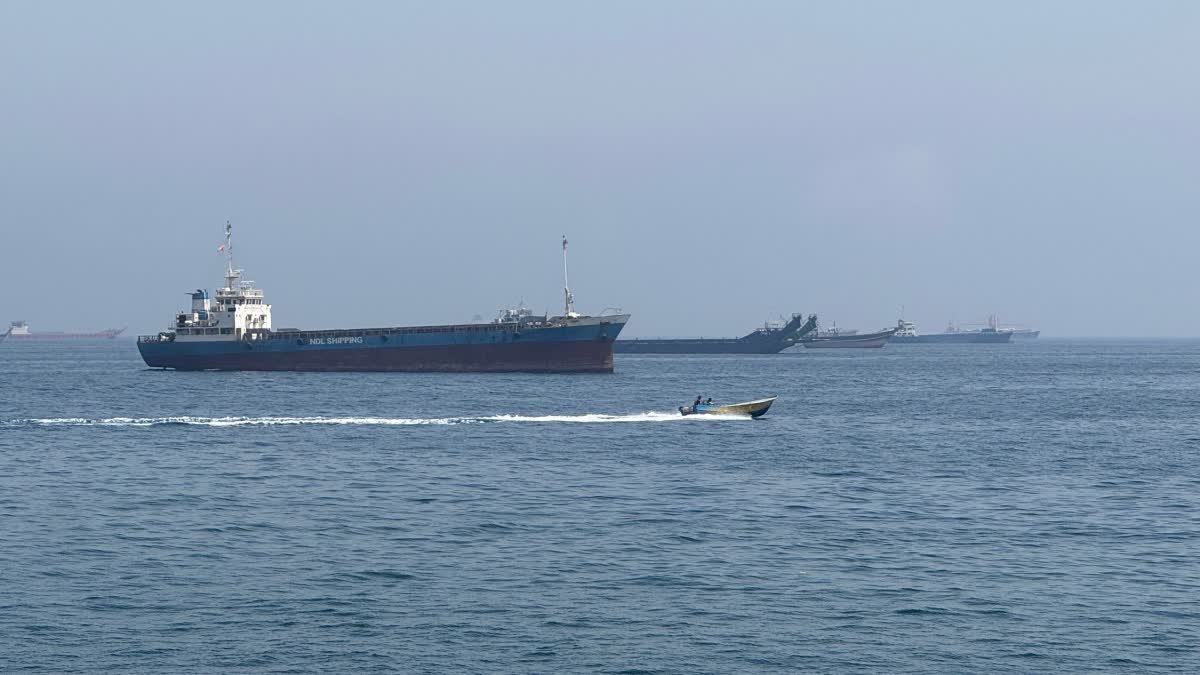
Another major concern for global energy markets is the disruption near the Strait of Hormuz, one of the world’s most critical oil shipping routes. A substantial portion of global oil supplies passes through this narrow waterway.
Any disruption to shipping through the Strait could severely affect global energy supply, particularly for Asian economies that rely heavily on Middle Eastern crude imports.
Rising Concern Among Economists
Economists and policymakers worldwide are increasingly worried that a prolonged conflict could trigger wider economic consequences. Higher oil prices would likely increase transportation and manufacturing costs, pushing consumer prices upward and slowing economic activity.
For major oil-importing countries such as India, sustained high oil prices could widen the trade deficit and intensify domestic inflation pressures, posing additional challenges for policymakers trying to maintain economic stability.
Experts warn that unless geopolitical tensions ease and energy supply stabilizes, the global economy could face a renewed period of volatility in the coming year.