
Odisha, India: A tragic incident from India’s Odisha state has shocked health experts and parents alike, after a 12-year-old girl died due to complications caused by a severe and untreated head lice infestation. The case has raised urgent concerns about how a commonly ignored childhood problem can escalate into a life-threatening medical emergency.
According to reports from Puri district, the girl had been suffering from head lice for several months. Over time, the infestation worsened significantly, leading to serious scalp infections, foul odor, and social isolation. Due to the lack of timely medical treatment, the infection spread and her health deteriorated rapidly, eventually resulting in her death.
How Can Head Lice Become Life-Threatening?
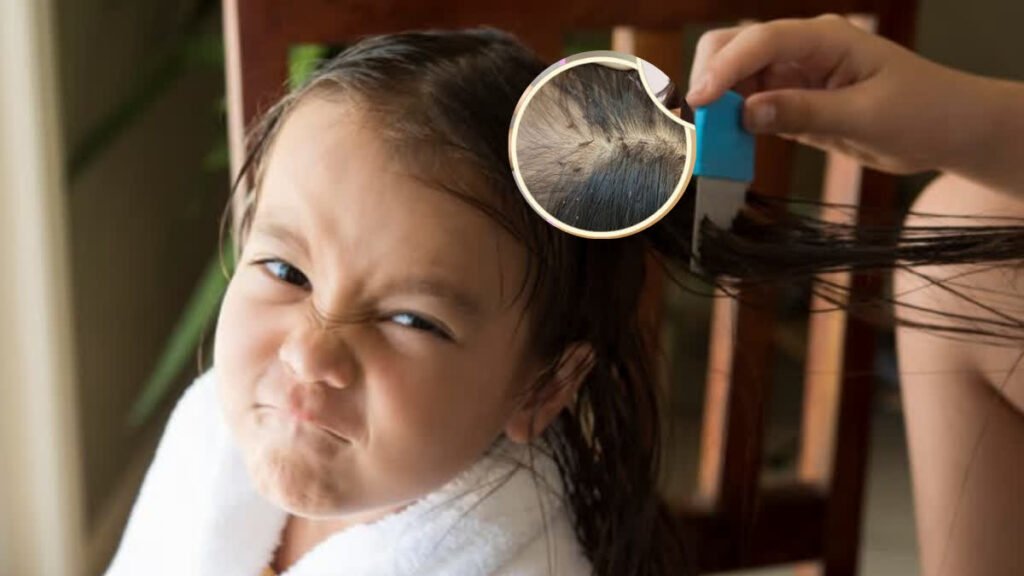
Head lice are tiny parasitic insects that live on the scalp and feed on human blood several times a day. While they are generally not known to transmit diseases, medical experts warn that long-term, heavy infestations involving thousands of lice can cause severe complications.
In extreme cases, continuous blood loss caused by lice feeding can lead to iron-deficiency anemia, especially in children. Severe anemia weakens the body, affects vital organs, and can ultimately be fatal if left untreated.
Symptoms Often Ignored
In the early stages, head lice may cause no noticeable symptoms. However, as infestation increases, common signs include:
- Intense scalp itching caused by allergic reactions to lice saliva
- A crawling sensation on the scalp
- Open sores from scratching, leading to bacterial infections
- Sleep disturbances, irritability, and fatigue
- In severe cases, anemia, fainting, and organ failure
Medical studies indicate that a single female louse lays up to six eggs (nits) per day. These eggs hatch within a week, allowing infestations to multiply rapidly if not treated.
Similar Cases Reported Globally
This is not an isolated incident. In 2023, a 10-year-old girl in Saudi Arabia was hospitalized after losing consciousness due to severe anemia. Doctors found her hemoglobin level had dropped to just 4 g/dL, far below the normal range, and linked the condition to extreme head lice infestation.
In another alarming case in 2020, a 12-year-old girl in Georgia, USA, died from cardiac arrest caused by complications related to severe lice-induced anemia.
A Wake-Up Call for Parents and Schools
Health experts stress that head lice should not be dismissed as a minor hygiene issue. While the condition is common among school-going children—especially girls with long hair—it requires prompt attention, proper treatment, and awareness.
Doctors emphasize regular scalp checks, avoiding the sharing of combs, towels, and personal items, and seeking medical help if infestation persists. Early treatment can prevent serious infections and life-threatening outcomes.
This heartbreaking incident serves as a stark reminder that head lice are not just a nuisance—they can become deadly if ignored. Parents, schools, and healthcare providers must treat persistent lice infestations as a medical priority rather than a cosmetic concern.