

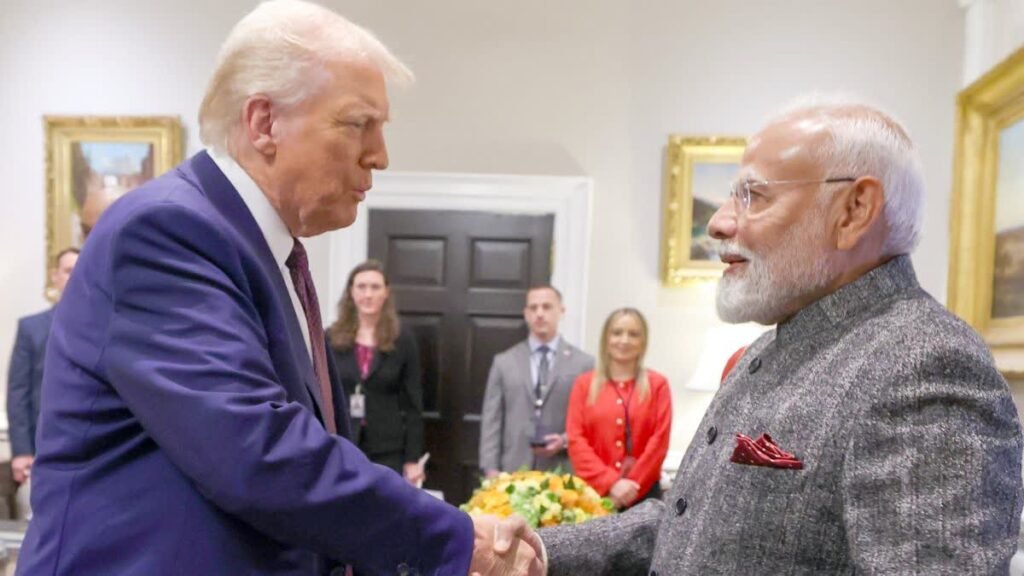
New Delhi: India and the United States have agreed on the framework of an important interim trade deal, but New Delhi has made it clear that it will not compromise on sensitive domestic sectors. Indian Commerce and Industry Minister Piyush Goyal confirmed that while the agreement opens new opportunities for Indian exporters, critical agriculture and dairy products have been deliberately kept outside the deal.
According to the Indian government, the framework will help Indian exporters—especially MSMEs, farmers, and fishermen—gain improved access to the nearly $30 trillion U.S. market, without putting domestic livelihoods at risk.
Agriculture: A Carefully Balanced Approach
India has adopted a cautious strategy in agriculture, an area that supports millions of rural households. Officials emphasized that products which could harm farmers or food security were excluded from tariff concessions. Limited flexibility was offered only on items that do not affect India’s core agricultural production.
Products Given Limited Tariff Concessions
India has agreed to reduce or eliminate tariffs on a select group of U.S. agricultural and allied products, including:
- Dried Distillers Grains (DDGs) used in animal feed
- Red sorghum
- Tree nuts such as almonds and walnuts
- Fresh and processed fruits
- Soybean oil
- Wine and other spirits
The government clarified that these imports would not disrupt domestic food supply or farmer incomes.
Staple Crops Fully Protected
India has completely shielded its staple grains from the trade deal. Products excluded include:
- Wheat, rice, maize, barley
- Millets such as jowar, ragi, bajra, kodon, kangni
- Oats and amaranth
- Processed grain products like flour, refined flour (maida), and copra
Both Commerce Minister Piyush Goyal and Agriculture Minister Shivraj Singh Chouhan stressed that no concessions were made in these categories.
Dairy Sector Kept Off the Table
India’s dairy industry—one of the world’s largest and a key source of rural income—has been fully protected. Products excluded from the deal include:
- Milk and milk powder
- Cream, butter, ghee
- Yogurt, paneer, and cheese
The government stated that subsidized foreign dairy imports would not be allowed to undermine Indian dairy farmers.
Protection for Spices, Fruits, and Vegetables
India has also ensured protection for its globally recognized spice sector. Black pepper, turmeric, cumin, coriander, cloves, cinnamon, ginger, and other spices remain excluded.
Similarly, vegetables like potatoes, onions, tomatoes, okra, peas, mushrooms, and pumpkins, along with fruits such as mangoes, bananas, oranges, and grapes, are fully safeguarded.
India’s $500 Billion Purchase Plan from the U.S.
Under the framework, India plans to purchase approximately $500 billion worth of U.S. goods over the next five years, including:
- Oil, gas, and coking coal
- Aircraft and aviation components
- Data center infrastructure
- Artificial intelligence and advanced technology equipment
Relief for Indian Exporters
While the U.S. will maintain an 18% tariff on most Indian products, sector-specific relief has been agreed upon. Aviation, auto components, and pharmaceuticals are expected to receive special treatment. Auto parts exports will operate under a quota system, and negotiations on generic medicines and raw pharmaceutical materials are ongoing.
Tariff Cuts and the Road Ahead
Former U.S. President Donald Trump announced a reduction in tariffs on Indian goods from 50% to 18%, and an additional 25% duty related to Russian oil imports has recently been withdrawn.
Both countries aim to finalize and sign a comprehensive bilateral trade agreement by March 2026. Experts believe the deal could significantly reshape India–U.S. economic relations while preserving India’s domestic priorities.