


Air India Ltd. is expected to report its largest-ever annual loss, estimated at nearly $1.6 billion, after a deadly aircraft crash and regional airspace disruptions derailed the airline’s turnaround efforts, according to people familiar with the matter.
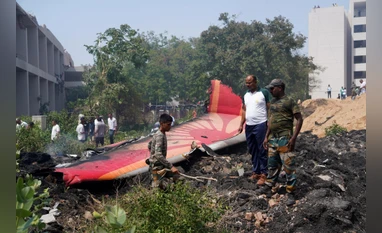
The full-service carrier, jointly owned by India’s Tata Group and Singapore Airlines Ltd., is projected to post a loss of at least ₹15,000 crore for the financial year ending March 31. The setback follows last year’s fatal Dreamliner crash near Ahmedabad, which killed more than 240 people and severely impacted passenger confidence and operations.
Financial pressure intensified after Pakistan closed its airspace to Indian airlines following a military standoff, forcing Air India to reroute long-haul flights to Europe and the United States. The longer flight paths significantly increased fuel and operational costs, further straining the airline’s balance sheet.
The losses mark a sharp reversal for Air India, which had been moving closer to profitability after years of restructuring under the Tata Group. Management had been targeting operational break-even during the current fiscal year, but that goal is now out of reach, sources said.
Air India’s struggles come amid a turbulent year for India’s aviation sector, characterized by widespread flight delays, rising passenger anxiety, and mass cancellations by a rival airline. These disruptions have renewed scrutiny of India’s largely duopolistic airline market, dominated by two major groups.
Neither Air India nor its parent companies responded to requests for comment.
According to government filings compiled by business intelligence firm Tofler, Air India has accumulated losses of more than ₹32,000 crore over the past three years. The airline reportedly sought at least ₹10,000 crore in additional funding last year to support its recovery plans.
A recently submitted five-year business plan projected a return to profitability only in the third year, but the board rejected the proposal, asking management to pursue a more aggressive turnaround strategy.
The mounting losses have raised concerns among both shareholders. Tata Group has reportedly begun exploring options for a new chief executive to replace current CEO Campbell Wilson, although any leadership change is likely to wait until the official crash investigation report is released.
Singapore Airlines, which acquired a 25.1% stake in Air India following the merger of Vistara in 2024, has also felt the impact. While assisting with operational restructuring and in-house aircraft maintenance, the airline has seen its own earnings weighed down by Air India’s performance.
As Air India confronts safety concerns, operational challenges, and financial pressure, its ambitious revival under new ownership faces its toughest test yet.