
New Delhi / Washington:
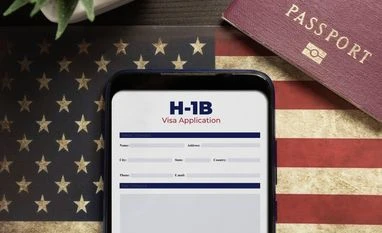
H-1B and H-4 visa holders planning to travel to India for emergencies, family events, or weddings have been urged to exercise extreme caution, as US visa appointment delays in India have stretched well into mid-2026. Immigration experts warn that what was once routine travel could now turn into a prolonged and risky stay abroad.
The warning comes amid significant disruptions in US visa processing following the expansion of social media vetting rules, which came into effect on December 15. Since then, visa applicants in India have faced widespread appointment cancellations, rescheduling, and uncertainty over re-entry into the United States.
Appointments Deferred to 2026
In December 2025, hundreds of visa appointments across India were abruptly cancelled and pushed to March 2026, April 2026, or even later. Several applicants who currently hold April interview dates say they are reconsidering travel plans, fearing another round of deferrals.
The delays have created anxiety among skilled workers and their families, many of whom cannot return to the US without fresh visa stamping, despite having valid work authorization.
“Think Twice Before Booking Tickets”
Immigration attorney Rahul Reddy has strongly advised H-1B and H-4 visa holders to avoid travelling to India unless it is absolutely unavoidable.
“Those who are planning to travel for visa stamping should not take a chance, even if they have April appointments. There is a strong possibility that those dates could also get deferred,” Reddy said.
He added that applicants who still choose to travel should be mentally and financially prepared for an extended stay in India, with no clear timeline for return.
“Nobody knows how long the delays will last or what new rules could come into effect. People should be ready to stay in India for a long time,” he warned.
Emergency Appointments Hard to Get
While US consular offices technically allow emergency visa appointments in cases of urgent and unforeseen situations, Reddy said such options are currently extremely limited in India.
“I don’t know anyone who hasn’t applied for an emergency appointment, but there are no slots available,” he said.
He also clarified that family emergencies often do not qualify for expedited processing.
“The emergency is about reaching India, not returning to the US. Since the US administration is not preventing people from travelling to India, visa officers don’t see a strong reason to take up these cases urgently,” Reddy explained.
Risk of Job Loss While Stranded
One of the biggest concerns for H-1B workers stuck outside the US is the risk of losing their job during prolonged visa delays.
“If someone loses their job while they are in India, the chances of getting hired by another company are very slim,” Reddy said.
He pointed out that any new employer would need to file a fresh H-1B petition and pay a $100,000 H-1B fee, a cost many companies are unwilling to bear under current conditions.
Routine Travel Now a High-Stakes Decision
For thousands of Indian professionals and their dependents, visiting home for weddings, medical emergencies, or family obligations has become a high-risk decision. With visa timelines uncertain and policies evolving, even short trips could result in being stranded abroad for months.
As delays continue and clarity remains elusive, immigration experts advise visa holders to carefully weigh the personal and professional risks before making travel plans to India—especially if fresh US visa stamping is required.