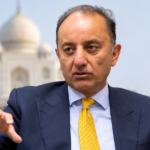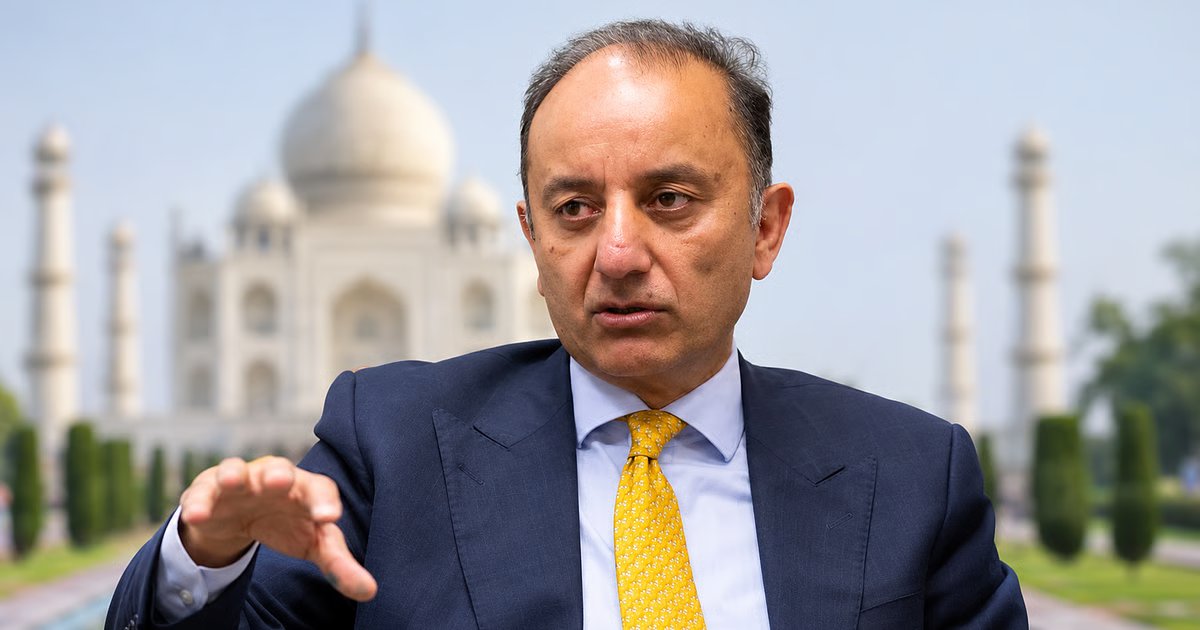

The Centre has denied Pakistan’s Climate Change Minister Musadik Malik permission to visit the Taj Mahal in Agra and Hazrat Nizamuddin Dargah in Delhi during his visit to India for the Shanghai Cooperation Organisation (SCO) Civilisational Dialogue Forum, restricting his movements to engagements connected with the multilateral event.
Government sources said on Friday that Malik had requested permission to visit the two prominent historical and religious sites but was informed that his visa had been issued exclusively for participation in the SCO meeting. Consequently, he would not be permitted to undertake sightseeing trips or attend engagements outside the approved programme.
The Pakistani minister arrived in New Delhi on November 20 to lead his country’s delegation at the three-day forum, being held at the historic Purana Qila from November 20 to 22.
His visit marks the first by a Pakistani federal minister to India since then Foreign Minister Bilawal Bhutto Zardari attended an SCO foreign ministers’ meeting in Goa in May 2023. It is also the first such visit since the military confrontation between India and Pakistan in May 2025, following the Pahalgam terror attack.
𝐏𝐞𝐫𝐦𝐢𝐬𝐬𝐢𝐨𝐧 𝐥𝐢𝐦𝐢𝐭𝐞𝐝 𝐭𝐨 𝐒𝐂𝐎 𝐞𝐧𝐠𝐚𝐠𝐞𝐦𝐞𝐧𝐭𝐬
Malik’s travel authorisation was granted specifically for the SCO Civilisational Dialogue Forum, and requests for additional visits were not approved.
The minister had expressed an interest in visiting the Taj Mahal, one of India’s most prominent historical monuments, and Hazrat Nizamuddin Dargah, a major Sufi shrine in the national capital.
However, the government maintained that his presence in India was limited to participation in the multilateral gathering and associated official engagements.
The restrictions come amid continued diplomatic tensions between New Delhi and Islamabad, particularly following the deterioration in bilateral relations after the April 2025 Pahalgam terror attack and India’s subsequent military response under Operation Sindoor.
Malik was received at the airport by Pakistan’s Chargé d’Affaires in New Delhi, Saad Ahmad Warraich, before proceeding with his official engagements.
𝐏𝐚𝐤𝐢𝐬𝐭𝐚𝐧 𝐚𝐭𝐭𝐞𝐧𝐝𝐬 𝐜𝐢𝐯𝐢𝐥𝐢𝐬𝐚𝐭𝐢𝐨𝐧𝐚𝐥 𝐝𝐢𝐚𝐥𝐨𝐠𝐮𝐞
The inaugural SCO Civilisational Dialogue Forum has brought together representatives of member countries to discuss historical connections, shared cultural traditions and opportunities for cooperation in preserving civilisational heritage.
India extended invitations to all SCO member states, including Pakistan, in accordance with established practices governing participation in multilateral events.
The invitations were announced on October 28, with Islamabad subsequently confirming that Malik would represent Pakistan at the gathering.
The forum is expected to examine four broad themes: cultural expression, art and architecture, language and literature, and religious and philosophical traditions.
Discussions will also explore possibilities for joint multinational nominations to UNESCO World Heritage lists, reflecting the shared cultural and historical legacy of countries across the region.
Pakistan’s Foreign Office said Malik would present Islamabad’s perspective on civilisational dialogue and highlight the country’s contribution to cultural diplomacy.
The Pakistani delegation is also expected to participate in thematic discussions and interact with representatives of other SCO countries during the meeting.
Speaking after his arrival, Malik described the gathering as an opportunity for multilateral discussions on shared histories and cultural connections across national boundaries.
𝐎𝐩𝐩𝐨𝐬𝐢𝐭𝐢𝐨𝐧 𝐪𝐮𝐞𝐬𝐭𝐢𝐨𝐧𝐬 𝐂𝐞𝐧𝐭𝐫𝐞’𝐬 𝐏𝐚𝐤𝐢𝐬𝐭𝐚𝐧 𝐩𝐨𝐥𝐢𝐜𝐲
The Pakistani minister’s participation has triggered political criticism, with Opposition leaders questioning the government’s decision to host a senior representative from Islamabad amid unresolved concerns over cross-border terrorism.
The Congress has sought clarification on whether India’s position towards Pakistan has changed since the Pahalgam terror attack.
Congress MP Manish Tewari acknowledged that Pakistan’s participation in an SCO gathering was consistent with the multilateral character of the organisation but questioned whether Islamabad had taken meaningful action against terrorist infrastructure operating from its territory.
Opposition leaders have also referred to Malik’s earlier statements concerning India’s decision to place the Indus Waters Treaty in abeyance following the Pahalgam attack.
Malik had strongly criticised India’s move and made confrontational remarks regarding Pakistan’s water rights during a public event in June 2025.
The controversy has revived questions over the distinction between India’s participation in multilateral diplomatic forums and the resumption of normal bilateral engagement with Pakistan.
𝐑𝐞𝐥𝐚𝐭𝐢𝐨𝐧𝐬 𝐬𝐭𝐫𝐚𝐢𝐧𝐞𝐝 𝐚𝐟𝐭𝐞𝐫 𝐏𝐚𝐡𝐚𝐥𝐠𝐚𝐦 𝐚𝐭𝐭𝐚𝐜𝐤
Relations between India and Pakistan deteriorated sharply following the April 2025 terrorist attack in Pahalgam, Jammu and Kashmir, in which 26 people were killed.
India subsequently announced a series of diplomatic and economic measures against Pakistan, including placing the Indus Waters Treaty in abeyance.
The tensions escalated into a four-day military confrontation in May 2025 after India launched Operation Sindoor against terrorist infrastructure in Pakistan and Pakistan-occupied Kashmir.
The confrontation was followed by a cessation of military hostilities, although diplomatic relations remained strained.
New Delhi has maintained that meaningful engagement with Islamabad must address concerns relating to cross-border terrorism.
Pakistan’s participation in the SCO forum is therefore taking place against a backdrop of limited bilateral contact and continuing political disagreements.
The decision to restrict Malik’s movements to the official programme underscores the limited scope of the visit, even as both countries continue to participate in regional multilateral institutions.
𝐒𝐂𝐎 𝐫𝐞𝐦𝐚𝐢𝐧𝐬 𝐚 𝐝𝐢𝐩𝐥𝐨𝐦𝐚𝐭𝐢𝐜 𝐩𝐥𝐚𝐭𝐟𝐨𝐫𝐦
The Shanghai Cooperation Organisation was established in 2001 by China, Russia, Kazakhstan, Kyrgyzstan, Tajikistan and Uzbekistan to promote regional cooperation on security, political and economic matters.
India and Pakistan became full members in 2017, followed by Iran in 2023 and Belarus in 2024, taking the organisation’s membership to 10 countries.
Despite strained bilateral relations, India and Pakistan have continued to participate in SCO meetings hosted by each other.
External Affairs Minister S Jaishankar travelled to Islamabad in October 2024 to attend the SCO Council of Heads of Government meeting, marking a rare high-level Indian visit to Pakistan.
India also sent SCO National Coordinator Alok Dimri to Islamabad in October 2026 for preparatory discussions connected with the organisation’s forthcoming summit.
Pakistan is chairing the SCO Council of Heads of State for the 2026-27 period and is expected to host several meetings ahead of the next summit.
These interactions have largely remained confined to multilateral commitments rather than direct negotiations on outstanding bilateral disputes.
𝐂𝐮𝐥𝐭𝐮𝐫𝐚𝐥 𝐝𝐢𝐚𝐥𝐨𝐠𝐮𝐞 𝐚𝐦𝐢𝐝 𝐩𝐨𝐥𝐢𝐭𝐢𝐜𝐚𝐥 𝐭𝐞𝐧𝐬𝐢𝐨𝐧𝐬
The Civilisational Dialogue Forum seeks to promote cooperation through cultural exchanges, shared heritage and historical connections among SCO member countries.
The discussions are expected to examine how centuries of trade, migration, religious exchanges and artistic traditions have shaped the cultural identities of participating nations.
For India and Pakistan, the forum provides an opportunity to participate in a broader regional discussion despite the absence of sustained bilateral diplomatic engagement.
However, Malik’s restricted itinerary indicates that his presence in New Delhi is being treated as a specific multilateral engagement rather than an opportunity for wider official or informal interactions.
The three-day gathering will continue until November 22, with representatives from participating countries discussing cultural cooperation and initiatives aimed at preserving shared heritage.
Malik is expected to remain engaged in the forum’s official proceedings during his stay, while the government’s restrictions on visits to other locations will remain applicable throughout his trip.