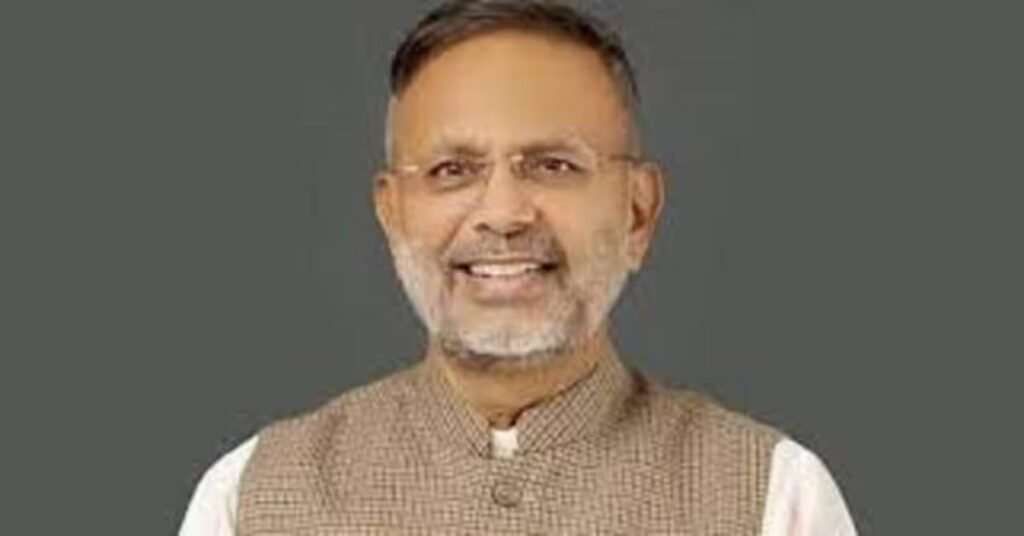

Electricity distribution companies (discoms) are not sufficiently cooperative in setting up electric vehicle (EV) charging infrastructure, and every discom should have a designated officer to address problems faced by charging station operators, said Tarun Kapoor, adviser to the Prime Minister, on Friday.
Kapoor, in his speech at a conference organised by the Society of Indian Automobile Manufacturers (SIAM), said electricity distribution companies needed to recognise the growing importance of EVs as a source of power consumption, particularly as India was entering a phase of surplus electricity availability.
“Discoms sometimes feel that they make most of their money through industries, so they should concentrate more on that. But this (EVs) again is going to be a very major sector for them and I am quite sure that as we move forward, discoms will realise this and then they will make efforts to ensure that they facilitate charging infrastructure coming up in the country,” he said.
Kapoor also highlighted the high cost of establishing electricity connections for public charging stations, particularly those requiring higher power capacities of 200 kilowatts (kW) or more. Discoms sometimes demand substantial payments for the electricity infrastructure needed to connect such stations to the grid.
“The discoms sometimes are not very cooperative, so we have to ensure that there’s some nodal officer in every discom who then can be contacted in case there are issues or in case there are problems,” he said.
Discoms are largely owned by state governments, although some are privately owned companies operating as licensed electricity distributors. The licences are granted by the respective state electricity regulatory commissions. Improving discoms’ cooperation with EV charging operators will require coordination with state governments and electricity regulators.
Kapoor, in his speech, said the government had made budgetary provisions under the PM E-DRIVE scheme to cover this cost, adding that a large part of the allocated money remained unspent. The government would also be willing to provide additional funds if required, he said.
Another challenge is the low utilisation of existing public charging stations, which is affecting their maintenance. Kapoor said oil marketing companies had reported utilisation of less than 1 per cent at some locations.
“Earlier also, some charging stations were installed in various public locations and gradually, due to disuse, they were not maintained and then they became almost useless,” he said.
He said the government was looking beyond petrol pumps to expand charging infrastructure, with housing societies, office complexes and public parking lots among the possible locations. Charging stations should be installed where vehicles are generally parked for longer periods, he said.
Kapoor also called for greater use of daytime charging to utilise surplus electricity, particularly solar power. He said India often had surplus electricity during the day, while demand pressures were higher during peak hours. Installing chargers at workplaces could encourage people to charge their vehicles during the day.
Kapoor said electric truck manufacturers should avoid developing exclusive charging networks for their respective vehicles. He said charging stations along highways should be accessible to vehicles made by different manufacturers so that infrastructure gets sufficient users and remains properly maintained.
The government also wants charging infrastructure for electric buses, trucks and heavy vehicles used in mining and industrial applications. Kapoor said bus depots could be opened up for use by other EVs, and the government was asking state governments to facilitate this.
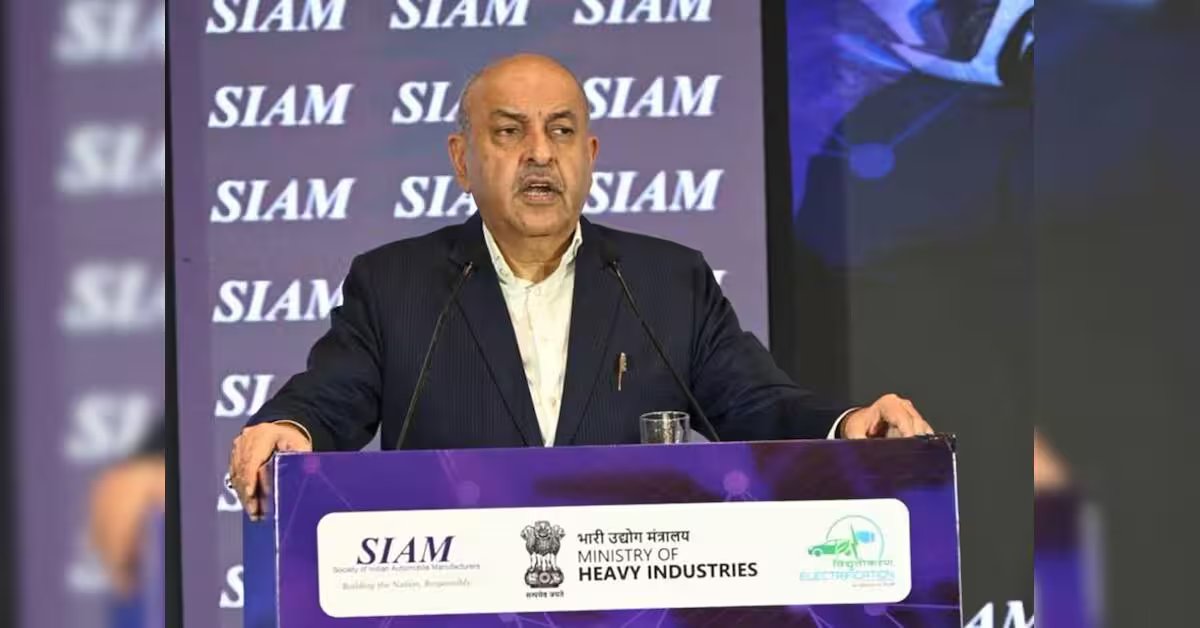
SIAM President Shenu Agarwal, in his speech at the conference, said the automobile industry, electricity distribution companies, oil marketing companies, charging operators and state governments needed to work together to expand the network.
“Automakers bring vehicle and charger compatibility, oil marketing companies bring prime land and retail reach, charge point operators bring technology and service, discoms bring grid access and states bring approvals, land and demand implications,” Agarwal said.
He described electric truck charging as the next frontier, adding that bus depots and freight corridors would require high-power charging facilities. SIAM members were keen to work with energy and infrastructure partners to develop this network, he said.