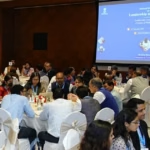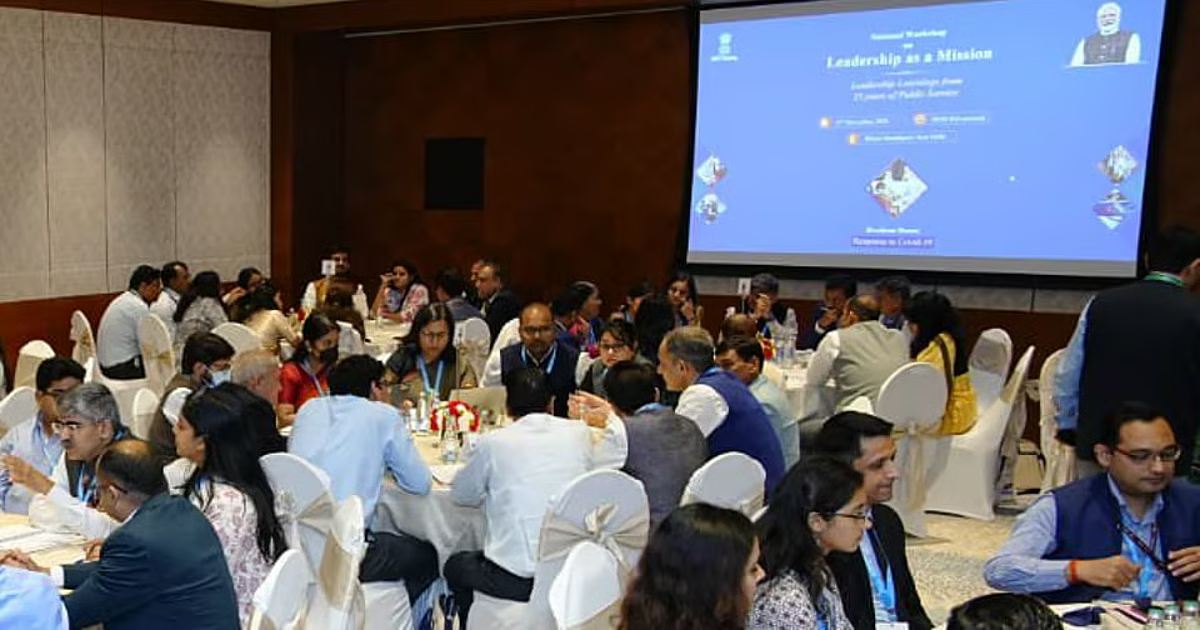

NITI Aayog on Tuesday organised a national workshop titled “Leadership as a Mission” in New Delhi to examine governance lessons drawn from Prime Minister Narendra Modi’s 25 years in public office, focusing on leadership, administrative decision-making and the implementation of major government initiatives.
The workshop marked the beginning of a series of five national-level discussions that the government think tank plans to organise between November 2026 and October 2027.
The deliberations focused on four major governance initiatives — the reconstruction of Kutch following the devastating 2001 earthquake, India’s response to the Covid-19 pandemic, the Lakhpati Didi initiative and reforms that opened up the country’s space economy.
According to NITI Aayog, the discussions and first-hand accounts presented during the workshops will be developed into case studies and learning materials for civil services training institutes and educational institutions.
𝐋𝐞𝐚𝐝𝐞𝐫𝐬𝐡𝐢𝐩 𝐚𝐧𝐝 𝐝𝐞𝐯𝐞𝐥𝐨𝐩𝐦𝐞𝐧𝐭
Addressing the workshop, NITI Aayog vice-chairman Ashok Kumar Lahiri emphasised the importance of political and administrative leadership in shaping India’s development trajectory.
He said Modi’s approach to governance reflected the country’s ambition to become a developed and globally competitive economy by 2047.
Lahiri linked the government’s development agenda to its vision of Viksit Bharat, highlighting the role of institutional leadership in translating national priorities into administrative action.
The workshop examined how decisions taken at different stages of Modi’s tenure, first as Gujarat Chief Minister and subsequently as Prime Minister, had influenced governance practices.
𝐓𝐡𝐫𝐞𝐞 𝐭𝐞𝐬𝐭𝐬 𝐨𝐟 𝐠𝐨𝐯𝐞𝐫𝐧𝐚𝐧𝐜𝐞
Principal Secretary to the Prime Minister P K Mishra, delivering the keynote address, identified integrity, teamwork and technology as three principles that Modi had emphasised while selecting officials for important responsibilities over the past 25 years.
Mishra said integrity helped establish confidence within institutions, enabling leaders to delegate responsibilities effectively.
He described teamwork as essential for coordinating the functioning of different government departments and states, particularly when implementing large-scale national programmes.
Technology, he said, had strengthened the government’s ability to communicate directly with citizens and monitor the implementation of policies at the grassroots level.
Mishra maintained that these principles were reflected in the governance initiatives examined during the workshop, including disaster reconstruction, pandemic management and programmes aimed at expanding economic opportunities.
𝐊𝐮𝐭𝐜𝐡 𝐭𝐨 𝐬𝐩𝐚𝐜𝐞 𝐫𝐞𝐟𝐨𝐫𝐦𝐬
The discussions covered the reconstruction of Kutch after the 2001 earthquake, which took place shortly before Modi assumed office as Gujarat Chief Minister.
Participants also examined India’s administrative response to the Covid-19 pandemic, focusing on the coordination required to manage a nationwide public health emergency.
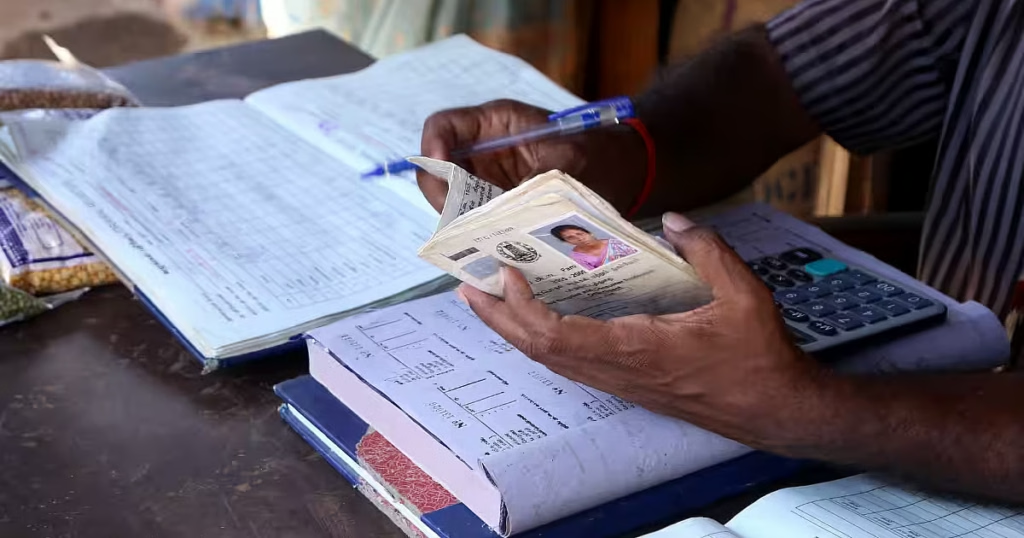
The Lakhpati Didi initiative, which seeks to strengthen the economic independence of women associated with self-help groups, was discussed as an example of livelihood-oriented governance.
Another area of focus was the opening of India’s space sector to greater private participation, including the development of opportunities for entrepreneurs and private enterprises.
These initiatives were examined as case studies in policy implementation, institutional coordination and the role of leadership in government programmes.
𝐄𝐧𝐭𝐫𝐞𝐩𝐫𝐞𝐧𝐞𝐮𝐫𝐬𝐡𝐢𝐩 𝐢𝐧 𝐟𝐨𝐜𝐮𝐬
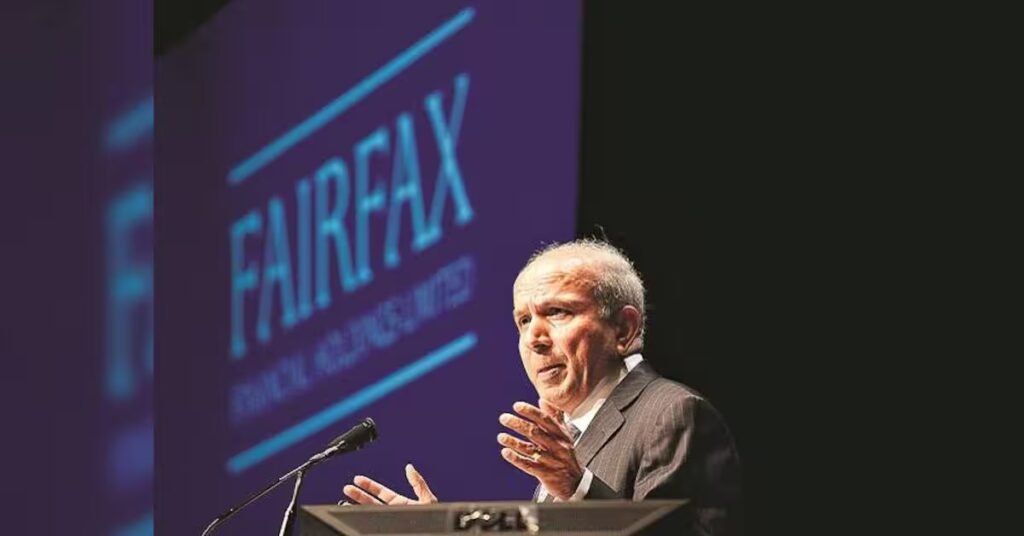
Uday Kotak, founder of Kotak Mahindra Bank, spoke about the relationship between entrepreneurship and nation-building, highlighting the importance of strengthening India’s business and financial ecosystems.
Kotak said Modi had consistently encouraged entrepreneurship during his tenure as Gujarat Chief Minister and later as Prime Minister.
He referred to the development of institutional support mechanisms, the expansion of financial opportunities and the growth of India’s start-up ecosystem as important aspects of the country’s economic transformation.
Kotak also described India’s development journey as having reached a significant turning point, arguing that the country had an opportunity to achieve greater prosperity by 2047.
𝐂𝐚𝐬𝐞 𝐬𝐭𝐮𝐝𝐢𝐞𝐬 𝐟𝐨𝐫 𝐢𝐧𝐬𝐭𝐢𝐭𝐮𝐭𝐢𝐨𝐧𝐬
NITI Aayog plans to use the five-workshop series to document governance experiences and administrative practices from Modi’s years in public office.
The discussions will be converted into structured case studies and educational resources intended for civil servants, public administration trainees and students.
The initiative is aimed at drawing lessons from major policy decisions and governance programmes, with particular emphasis on leadership, coordination, technology and institutional implementation.
The remaining four workshops are scheduled to take place before October 2027, completing the series examining Modi’s 25 years in public office.