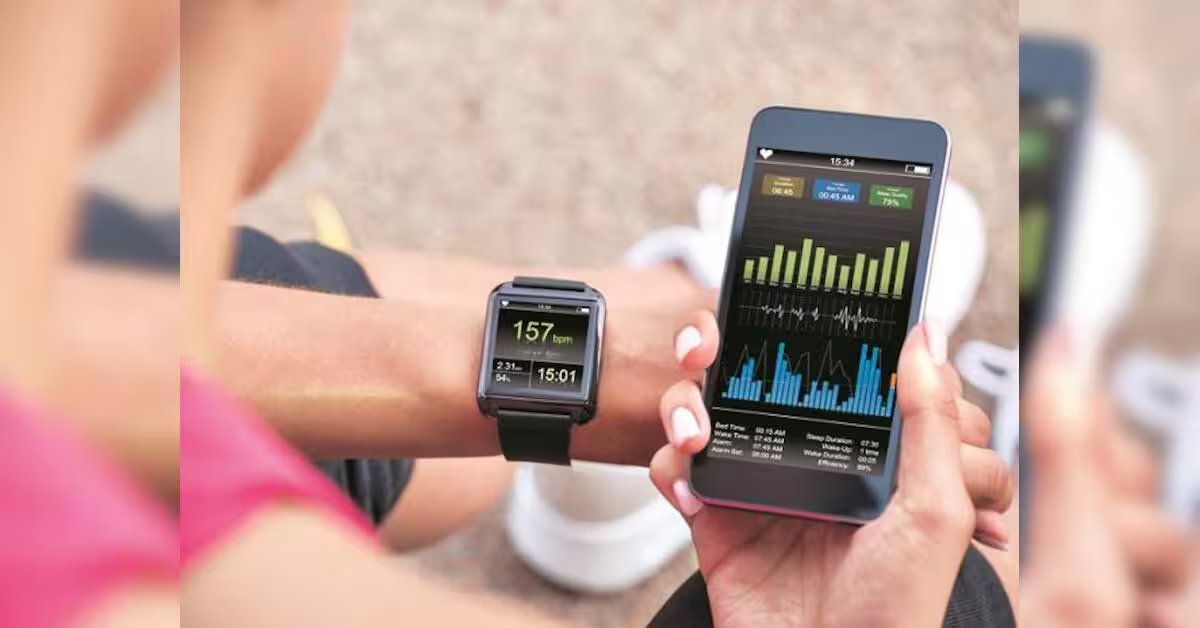

Nine in 10 Indian consumers use health apps or wearable devices, while 81 per cent are willing to pay more for devices whose data can be trusted and reviewed by healthcare professionals, compared with 65 per cent globally, according to PwC India’s Voice of the Consumer 2026 report.
The findings point to growing demand for technology-enabled wellness solutions, with clinical credibility emerging as an important factor in consumer choices.
The report found that 97 per cent of Indian respondents want to integrate nutrition, fitness, sleep and mental health into their long-term wellness routines. However, 67 per cent cited stress, fatigue and low energy as barriers to achieving their health goals.
The shift towards preventive healthcare presents opportunities for companies across food, personal care, healthcare and apparel. PwC said businesses would need to strengthen consumer trust through clinically backed information, transparent sourcing and substantiated health claims.
Nutrition awareness is also influencing consumption patterns. Around 53 per cent of Indian consumers regularly track their protein intake, compared with 35 per cent globally. Half monitor fibre intake, while 49 per cent track calories, against 33 per cent globally for both parameters.
Food safety remains a concern, with 71 per cent of Indian respondents very or extremely worried about pesticides in food and 67 per cent about microplastics. Globally, 46 per cent expressed similar concerns about microplastics.
The survey also found growing interest in functional nutrition. Around 44 per cent of Indian consumers expect to significantly increase their consumption of fresh produce, while 24 per cent plan to consume more dairy and 19 per cent more plant-based protein. Longevity-focused foods, including high-protein and gut-health products, were the leading category among qualified buyers, accounting for 22 per cent of respondents against 17 per cent globally.
Despite greater health awareness, sustaining healthier lifestyles remains a challenge. While 42 per cent of Indian respondents exercise daily, compared with 19 per cent globally, competing priorities continue to affect their wellness routines.
The survey, conducted in February and March 2026, covered 21,808 consumers across 27 markets, including 1,005 respondents from 15 Indian states and two Union Territories.
PwC identified five consumer segments based on wellness preferences, led by data-driven optimisers (29 per cent), value-seeking optimisers (21 per cent) and social wellness seekers (19 per cent). Holistic harmonisers accounted for 13 per cent and low-engagement consumers for 19 per cent.
The report said companies would need differentiated strategies to cater to these segments as demand grows for personalised, convenient and expert-backed wellness solutions.