
Nearly nine in 10 respondents in a Delhi-based survey of women, girls and LGBTQ+ people reported feeling unsafe while walking to their nearest Metro station or bus stop, highlighting significant gaps in the national capital’s pedestrian infrastructure and public safety mechanisms.
The study, conducted by the Centre for Equity and Inclusion (CEQUIN), gathered responses from 1,588 participants and examined how urban infrastructure, social behaviour and institutional accountability influence access to public spaces.
𝗣𝗼𝗼𝗿 𝗶𝗻𝗳𝗿𝗮𝘀𝘁𝗿𝘂𝗰𝘁𝘂𝗿𝗲, 𝗵𝗮𝗿𝗮𝘀𝘀𝗺𝗲𝗻𝘁 𝗺𝗮𝗷𝗼𝗿 𝗰𝗼𝗻𝗰𝗲𝗿𝗻𝘀
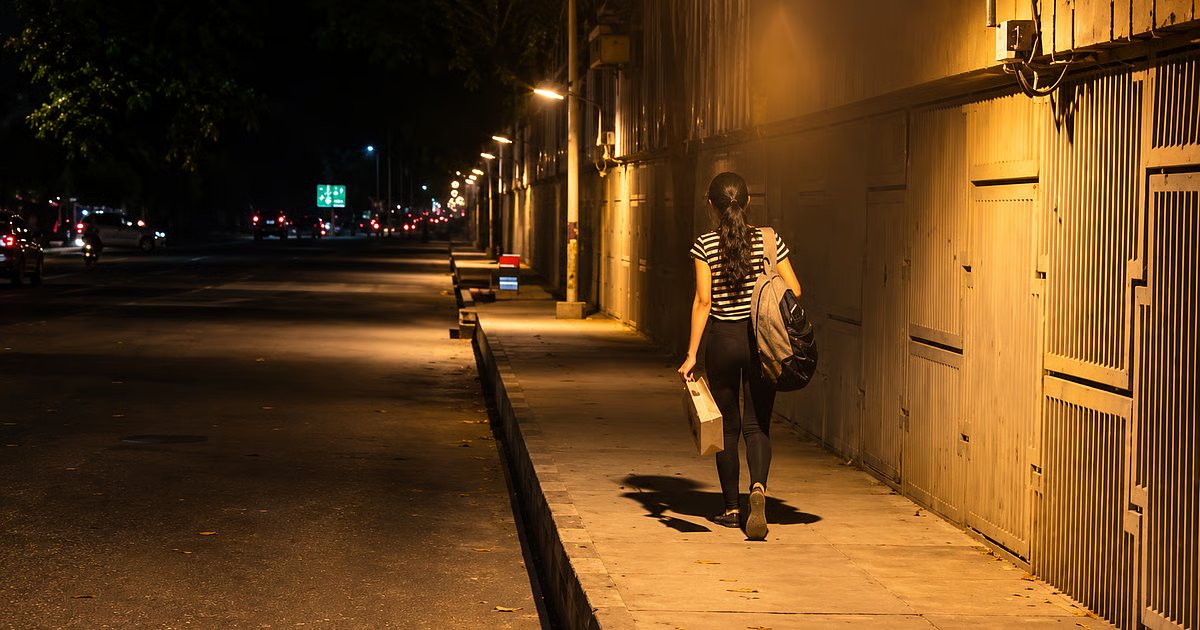
The survey found that 87.5 per cent of respondents felt unsafe accessing public transport stops, while 88.9 per cent expressed concerns about visiting neighbourhood parks after sunset.
Over 75 per cent flagged inadequate street lighting along pedestrian routes, while 60 per cent reported damaged or non-existent pavements.
Nearly 80 per cent identified intimidating behaviour by men, including unwanted remarks, persistent staring and being followed, as contributing to their sense of insecurity.
𝗢𝘃𝗲𝗿 𝟴𝟬 𝗽𝗲𝗿 𝗰𝗲𝗻𝘁 𝘂𝗻𝗮𝘄𝗮𝗿𝗲 𝗼𝗳 𝗿𝗲𝘀𝗽𝗼𝗻𝘀𝗶𝗯𝗹𝗲 𝗮𝘂𝘁𝗵𝗼𝗿𝗶𝘁𝗶𝗲𝘀
The survey also identified a significant accountability gap in Delhi’s civic administration, with 80.5 per cent of participants unable to determine which agency they should approach regarding unsafe public spaces.
CEQUIN co-founder and managing director Lora K Prabhu emphasised that uncertainty over institutional responsibility contributes to exclusion and called for measurable urban reforms that address gender-specific safety concerns.
The organisation has placed its recommendations before the Supreme Court.
𝗦𝘁𝘂𝗱𝘆 𝗳𝗼𝗹𝗹𝗼𝘄𝘀 𝗦𝘂𝗽𝗿𝗲𝗺𝗲 𝗖𝗼𝘂𝗿𝘁 𝗶𝗻𝘁𝗲𝗿𝘃𝗲𝗻𝘁𝗶𝗼𝗻
The report, titled Everyday Journeys: Women’s and Girls’ Access to Footpaths and Public Parks in Delhi, was undertaken following the Supreme Court’s intervention in September over a series of sexual assault cases across Delhi-NCR.
At least 13 such incidents were reported during the first three weeks of September, including the alleged gangrape of a 17-year-old girl at Aastha Kunj Park.
The apex court took suo motu cognisance of the matter on September 28 and instructed authorities to identify vulnerable locations and improve security arrangements.
𝗗𝗲𝗹𝗵𝗶 𝗿𝗲𝗰𝗼𝗿𝗱𝗲𝗱 𝟭𝟯,𝟯𝟵𝟲 𝗰𝗿𝗶𝗺𝗲𝘀 𝗮𝗴𝗮𝗶𝗻𝘀𝘁 𝘄𝗼𝗺𝗲𝗻 𝗶𝗻 𝟮𝟬𝟮𝟰
Citing National Crime Records Bureau (NCRB) statistics, the report noted that Delhi registered 13,396 offences against women in 2024, the highest tally among 19 major Indian metropolitan cities.
The report also examined the relationship between restricted mobility and economic participation.
Delhi’s female Labour Force Participation Rate stood at 14.5 per cent in 2023-24, against 54 per cent for men, representing a gender gap of 39.5 percentage points.
While the report suggested that safety concerns could restrict women’s employment opportunities, the available figures do not establish a direct causal relationship.
𝗙𝗼𝗰𝘂𝘀 𝗼𝗻 𝗴𝗲𝗻𝗱𝗲𝗿-𝗿𝗲𝘀𝗽𝗼𝗻𝘀𝗶𝘃𝗲 𝘂𝗿𝗯𝗮𝗻 𝗽𝗹𝗮𝗻𝗻𝗶𝗻𝗴
The findings highlight the importance of examining women’s safety beyond reported criminal incidents, particularly through the accessibility, maintenance and management of everyday public spaces.
The study was scheduled for release on Wednesday at CEQUIN’s annual event, ‘Hain Haq Hamara Hissedari’, coinciding with the commencement of the international 16 Days of Activism against Gender-Based Violence.