
The share of flexi-staffing roles fell to 51 per cent of jobs created by Indian Staffing Federation (ISF) member firms in 2026, compared with 79 per cent in 2025, according to the Flexi Employment Social Impact Report 2026 released on Wednesday.
Women’s share in the formal flexi workforce also fell to 23 per cent in 2026 from 27 per cent a year earlier.
Industry representatives, at a press briefing organised by ISF, attributed the moderation in flexi hiring to economic and geopolitical uncertainty, including US tariffs and the West Asia conflict.
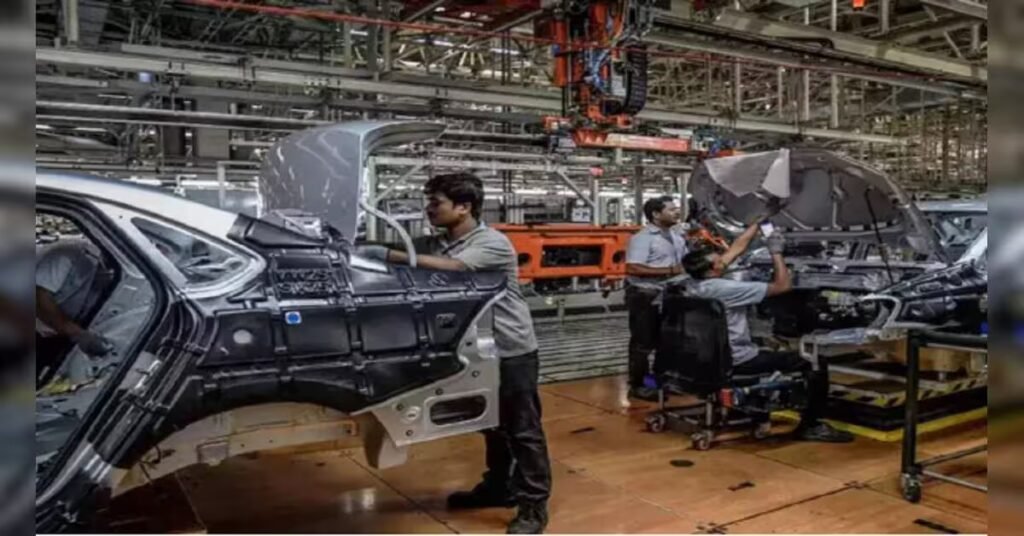
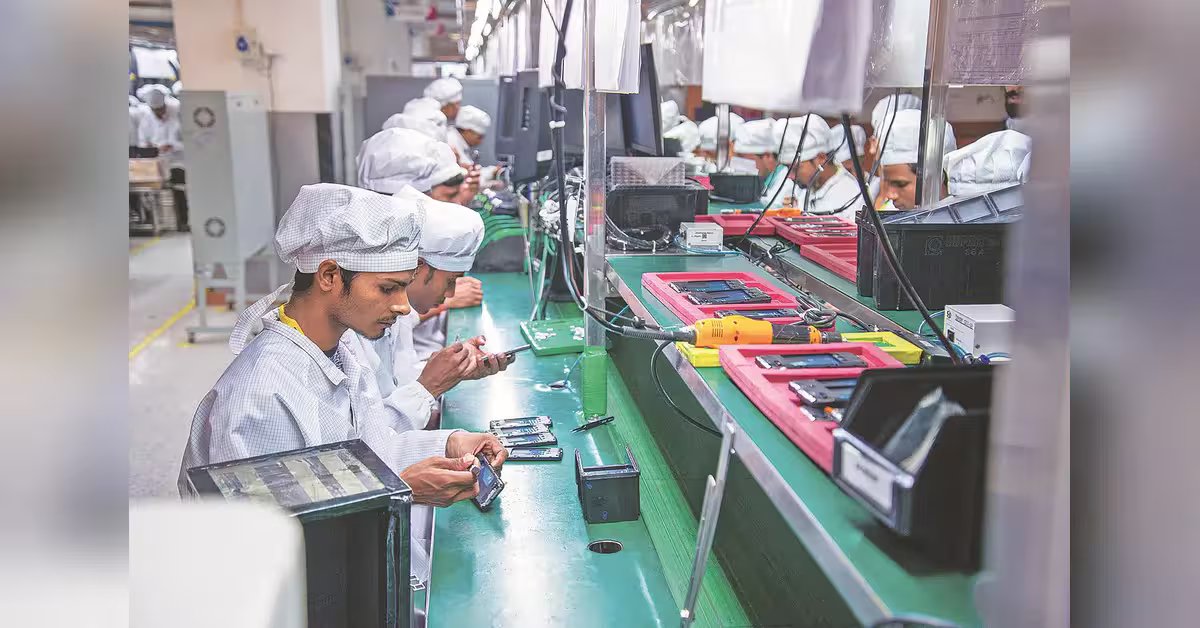
Flexi staffing refers to workers employed by staffing agencies and deployed to work at client organisations, typically on fixed-term or assignment-based arrangements.
Flexi staffing has also seen a growing share of more educated workers. Around 65 per cent of flexi workers had graduate-level or higher qualifications in 2026, up from 47 per cent in 2020, according to the report. At the same time, the share of assignments requiring specialised or technical skills rose to 51 per cent from 29 per cent over the same period, reflecting a shift towards higher-skilled roles.
However, the share of workers with higher education exceeded the share of high-skilled roles by 14 percentage points in both 2025 and 2026, pointing to widespread overqualification.
“The workforce has more capability than its current roles use. Training linked to specific roles and clear conversion routes would let employers draw on it, and would raise wages and productivity together,” the report said.
Despite the moderation in hiring, the report found that flexi employment arrangements were becoming longer, with 91 per cent of assignments lasting more than three months in 2026, against 82 per cent in the previous year. The share of assignments lasting less than a month fell to 2 per cent from 6 per cent.
The report also found that one in five flexi workers moved into permanent roles with client companies during the year, up from 14 per cent in 2025. The conversion rate was the second-highest in the seven-year period tracked by ISF. Three in 10 member firms reported converting at least a quarter of their flexi workforce into permanent employees.
The share of workers aged below 24 increased to 23 per cent from 19 per cent, indicating a higher intake of younger workers into formal staffing arrangements.
The report recommended linking employment incentives, including the Pradhan Mantri Viksit Bharat Rozgar Yojana (PM-VBRY), more closely to the hiring of women through formal staffing firms.
It called for clearer rules to ensure that flexi workers employed through staffing agencies received the same social security benefits as other fixed-term employees. With 45 per cent of contracts lasting more than a year, it said contributions and benefits, including gratuity, should carry over seamlessly when workers moved between assignments.
The report suggested that registered staffing companies be recognised as training partners eligible for apprenticeship and Skill India co-funding. “Member firms trained 78,208 workers in the year, and the workforce’s qualifications exceed its roles by 14 points. Eligibility for apprenticeship and Skill India co-funding for training delivered by registered staffing companies would close that gap and raise wages,” the report said.
The report also called for harmonised state rules and a fully operational single-window system for licences, registrations and returns to reduce compliance requirements for staffing companies operating across multiple states.