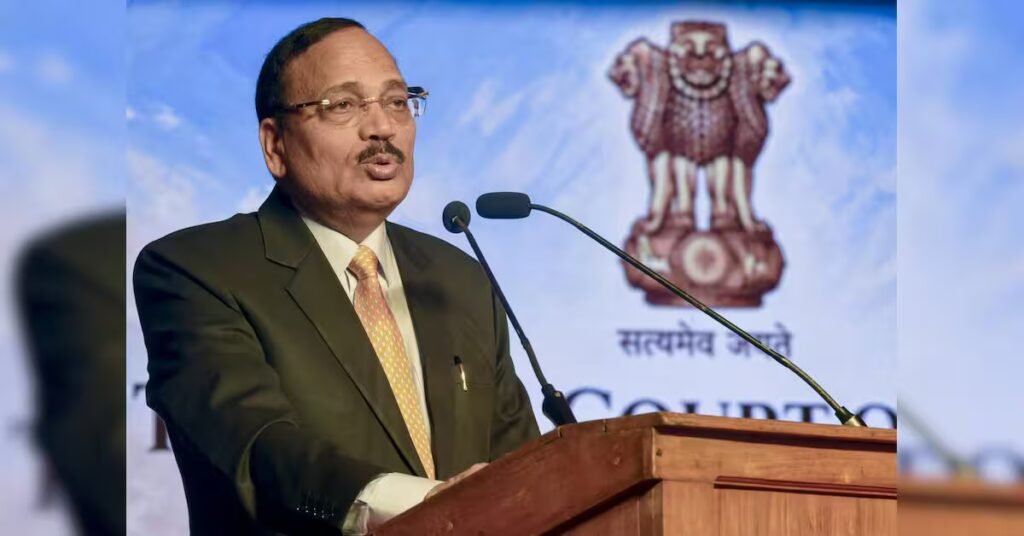

Chief Justice of India Surya Kant on Thursday said constitutional institutions must be able to engage with criticism without viewing every disagreement as a challenge to their authority, stressing that dissent is an integral part of a constitutional democracy.
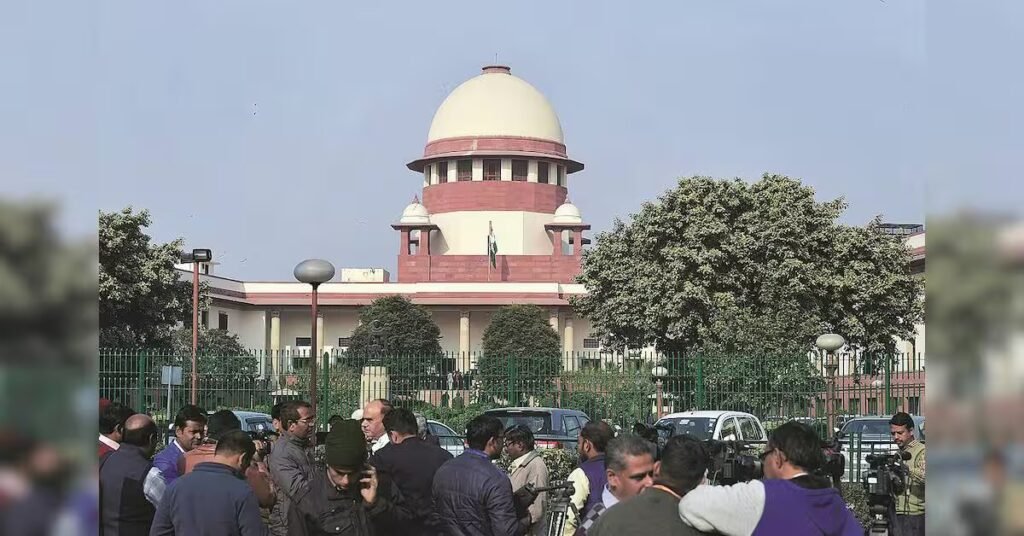
Speaking at a Constitution Day event organised by the Supreme Court Bar Association (SCBA) on the Supreme Court lawns, the CJI said the Constitution is not put to the test only during extraordinary political or institutional crises. Its principles are reflected every day in the exercise of public power and the way institutions deal with citizens.
“The manner in which an authority treats a vulnerable citizen, the willingness of an institution to acknowledge its limitations, and the readiness to correct an error are all expressions of constitutional commitment,” he said.
The CJI added that criticism must be addressed through reason, professional integrity and respect for institutional processes. Referring to a point made by Attorney General R Venkataramani, he cautioned against attacks on institutions driven by political agendas or personal gains, particularly when their decisions do not suit an individual or group.
Constitution must be judged by its impact on citizens
Surya Kant said the Constitution is often understood through its provisions, institutions and distribution of powers, but its ultimate worth must be assessed by what it means to the people it governs.
He said constitutional governance requires institutions to remain mindful not only of the powers they possess but also of the limits within which they must operate.
Institutional restraint, mutual respect and accountability, he said, are essential to the functioning of constitutional democracy. Every institution must discharge its responsibilities while respecting the constitutional space of others.
The CJI said public confidence in judicial authority cannot be taken for granted and must be continuously earned through independence, fairness and consistency.
“Citizens may not remember every judgment or be familiar with every constitutional provision, but they will remember whether they were heard, whether they were treated fairly, and whether the justice system stood by them when they needed it most,” he said.
He added that the strength of the Constitution would ultimately be measured not merely by the institutions it establishes, but by the confidence it inspires among citizens.
Pendency and unequal access remain challenges
Turning to the justice delivery system, the CJI said pendency of cases, delays and unequal access to legal representation continue to shape the experience of the judiciary for many people.
“Behind every case number is a person awaiting the resolution of a dispute, the protection of a right, or the vindication of a claim,” he said.
The responsibility for addressing these concerns, he added, rests with both the Bench and the Bar.
Courts must continue to improve their processes and make justice more accessible, while lawyers must contribute through focused and honest advocacy, responsible case management and professional discipline.
The CJI also said the true tribute to the framers of the Constitution lies not simply in remembering their work, but in carrying forward the responsibilities they entrusted to succeeding generations.
He called for a justice system that is independent in its functioning, accessible in its reach and humane in its approach.
“The Constitution has given us the framework. Giving life to its promises remains our collective responsibility,” he said.
CJI promises structured training for lawyers
Responding to issues raised by SCBA president and senior advocate Pradeep Kumar Rai, the CJI said periodic training for members of the Bar was a significant concern.
He assured lawyers that a structured training programme would be introduced in a short time.
Rai and other members of the gathering also addressed the Constitution Day function.
Attorney General warns against attempts to malign judiciary
Venkataramani said improving the administration of justice and making it easier to access were important objectives, but cautioned against attempts to undermine judicial institutions and their independence.
He said there was a difference between seeking improvements in the justice system and deliberately or mindlessly challenging judges and institutions.
“The lawns of the Supreme Court where we have assembled are part of the court and meant to be valued to celebrate the Constitution, not to demean the court. This is not Hyde Park,” the Attorney General said.
He added that attempts to devalue the court or malign judges must be strongly discouraged and stopped.
Venkataramani also cautioned against partisan considerations being presented as freedom or independence, saying such conduct could affect the judiciary’s ability to function without fear or favour.
Constitution Day, also known as Samvidhan Divas, is observed in India on November 26 every year to commemorate the adoption of the Constitution in 1949.