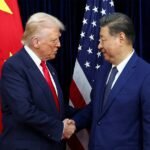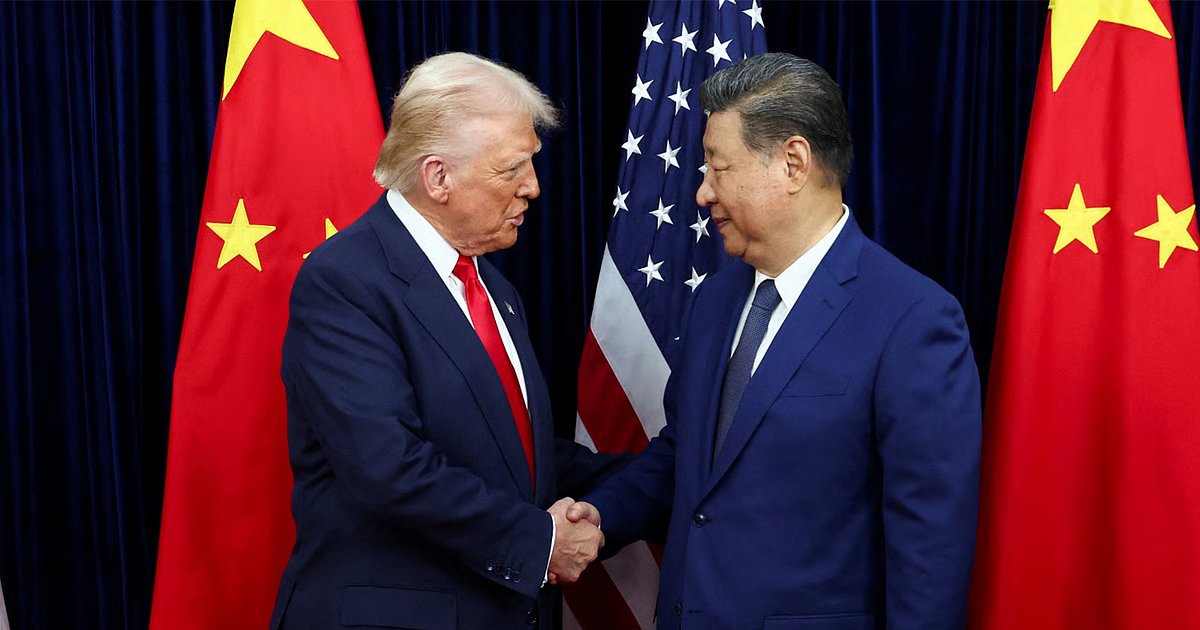

China on Thursday warned that it could take “necessary measures” in response to the United States’ proposed tariffs on major trading partners, including Beijing, and called on Washington to withdraw what it described as unilateral trade measures.
The Chinese commerce ministry said it would closely monitor developments and urged the US to return to resolving trade differences through dialogue and consultation, Reuters reported.
The proposed duties cover several major economies, with China facing a tariff rate of 20%. However, US Trade Representative Jamieson Greer said the proposed levies were within the scope of ongoing trade negotiations between Washington and Beijing, according to AFP.
China calls US investigation protectionism
At a press briefing, Chinese commerce ministry spokesperson He Yadong strongly criticised the US investigation into alleged structural excess capacity in major economies.
“The US investigation is an act of unilateralism, and China firmly opposes it,” He said.
He urged Washington to correct what Beijing considers its erroneous practices and return to negotiations.
“China urges the US to correct its wrong practices and return to the right track of resolving issues through dialogue and consultation,” he said.
He also rejected the use of alleged overcapacity as justification for imposing tariffs, describing it as a “pretext for protectionism”.
According to He, such measures would not resolve the structural imbalances within the US economy. Instead, they risk disrupting the security and stability of global industrial and supply chains, restricting industrial cooperation and increasing inflationary pressures worldwide.
He further warned that the tariffs could hurt businesses and consumers directly while creating long-term and systemic risks for global economic growth.
Beijing also called on Washington to expedite its domestic procedures to ensure that a proposed $60 billion reciprocal tariff-reduction arrangement comes into effect as soon as possible.
India, EU and other economies also face proposed US tariffs
The latest US tariff proposals follow a months-long investigation into what Washington describes as “structural excess capacity” across 16 major economies.
On Wednesday, the US proposed duties of up to 25% on Indian goods. The rate could be reduced to 17% if New Delhi reaches a trade agreement with Washington, as reported earlier by Hindustan Times.
The European Union, Japan, South Korea, Taiwan and Switzerland face proposed tariffs of 15%, excluding their existing most-favoured-nation duties. Singapore has been assigned a proposed rate of 10%.
China faces a proposed rate of 20%, placing it among the economies targeted by the latest measures.
The proposed duties will not be added to existing Section 232 national security tariffs on automobiles, steel and aluminium.
Several categories of products will also be exempt, including oil and gas, food products that the US does not produce or cannot grow domestically, critical minerals, fertilisers, and certain semiconductors and pharmaceutical products, a US official said.
US and China have been discussing reciprocal tariff cuts
The latest disagreement comes amid ongoing efforts by the two countries to manage their trade differences through negotiations.
In September, Washington and Beijing reached a proposed arrangement to reduce tariffs on around $30 billion worth of goods from each side, amounting to a reciprocal package of approximately $60 billion. The arrangement covers selected products, with tariffs on around 90% of the listed goods expected to be reduced to most-favoured-nation levels once both countries complete their domestic procedures.
The two sides held the first meeting of their trade council on November 13, discussing the tariff-reduction arrangement, agricultural trade and other outstanding issues. Both governments said they would continue using the mechanism to address trade concerns and expand cooperation.
However, the proposed tariff cuts have yet to come into effect, with Beijing repeatedly urging Washington to complete the necessary procedures.