


New Delhi : Prime Minister Narendra Modi has welcomed Parliament’s approval of the Public Examination (Prevention of Unfair Means) Amendment Bill, 2026, describing it as a significant step toward building a credible, transparent, and trustworthy examination system in India. The Prime Minister said the legislation would strengthen safeguards against question paper leaks and ensure stricter action against those attempting to compromise the future of students.
The Bill, which was passed by the Lok Sabha earlier this week, received approval from the Rajya Sabha on Thursday. It now awaits the assent of President Droupadi Murmu before becoming law.
PM Modi Highlights Need for Stronger Examination Reforms
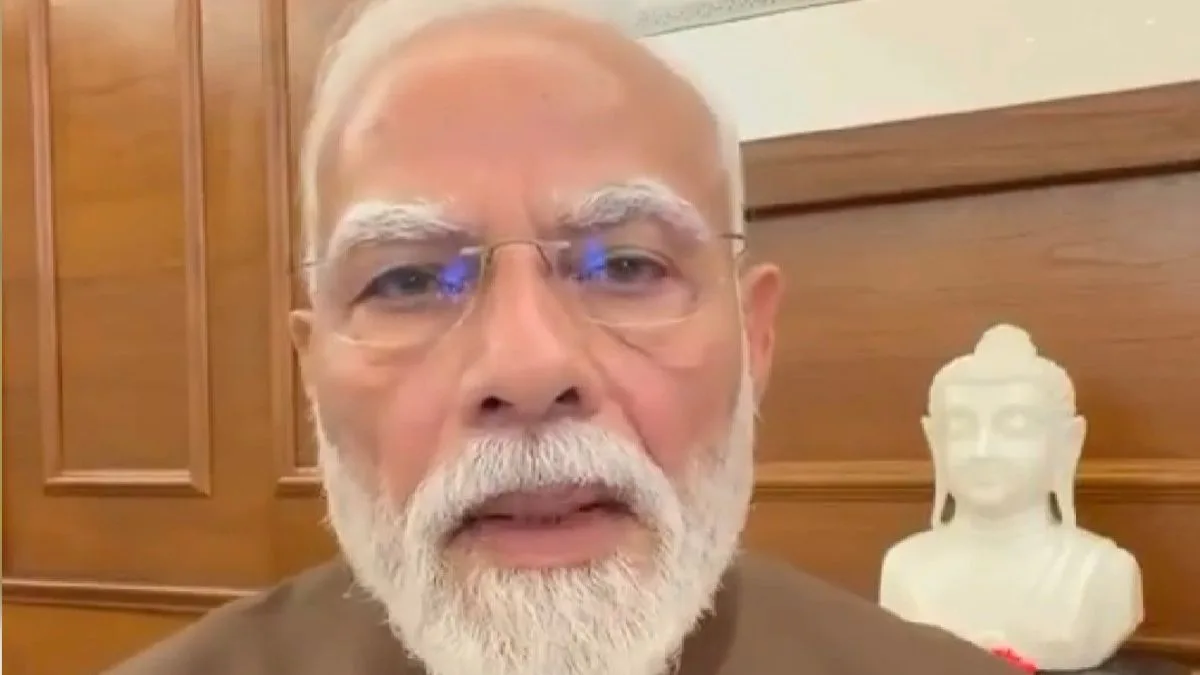
In a selfie video shared on his official social media platforms, Prime Minister Modi said the government has been consistently working to improve the integrity of India’s education system.
He stated that the Centre has already undertaken several initiatives, including:
- Formation of a task force.
- Establishment of fast-track courts.
- Consultations with State Governments.
- Adoption of technology-driven reforms to strengthen examination processes.
The Prime Minister noted that both the Central Government and State Governments have been grappling with the challenge of exam paper leaks for several decades, making comprehensive legal reforms essential.
‘Future of Students Must Be Protected’
Emphasizing the importance of protecting students’ interests, Prime Minister Modi said that repeated incidents of paper leaks had created uncertainty about the future of millions of young aspirants.
He stressed that those involved in organized examination fraud should face strict legal consequences.
According to the Prime Minister, individuals and syndicates that manipulate examination systems and “play with the future of the country’s children” will no longer be allowed to operate with impunity.
He added that education reforms require coordinated efforts by both the Centre and the States, supported by the effective use of modern technology.
Stricter Legal Framework Against Exam Malpractices
The Public Examination (Prevention of Unfair Means) Amendment Bill, 2026 seeks to strengthen the existing legal framework against unfair practices in public examinations.
The amendments are intended to:
- Enhance the security of public examinations.
- Introduce stricter measures against paper leak syndicates.
- Improve the credibility and transparency of recruitment and entrance examinations.
- Deter organized examination fraud through stronger legal provisions.
The legislation forms part of the government’s broader effort to restore confidence in India’s examination system.
Response to Growing Public Concerns
The issue of question paper leaks has received nationwide attention in recent years, particularly following the NEET examination controversy, which triggered widespread protests by students and parents across the country.
Thousands of aspirants staged demonstrations demanding greater transparency and accountability in public examinations.
The Union Government subsequently held discussions with student representatives and assured them that stronger legal and administrative measures would be introduced to prevent future irregularities.
The passage of the amendment Bill is being viewed as one of the government’s responses to those concerns.
Vision for a Trustworthy Education System
Prime Minister Modi said the new legislation would help dismantle organized networks involved in examination fraud while reinforcing public confidence in competitive examinations.
He reiterated that the government remains committed to ensuring that such incidents are not repeated and emphasized that efforts to strengthen the examination system would continue.
Calling for collective participation in nation-building, he urged citizens to move forward together toward the goal of building a “Viksit Bharat” (Developed India) supported by a fair and dependable education system.
Bill Awaits Presidential Assent
With approval from both Houses of Parliament, the Public Examination (Prevention of Unfair Means) Amendment Bill, 2026 now awaits the formal assent of President Droupadi Murmu before it comes into force.
Once notified, the amended law is expected to provide stronger legal backing for preventing examination-related malpractices and ensuring greater accountability.
Key Highlights
- Prime Minister Narendra Modi welcomed Parliament’s approval of the Public Examination (Prevention of Unfair Means) Amendment Bill, 2026.
- The Prime Minister said the amendments would make India’s examination system more robust, transparent, and trustworthy.
- The Bill was passed by the Lok Sabha earlier this week and cleared by the Rajya Sabha on Thursday.
- It now awaits the assent of President Droupadi Murmu before becoming law.
- The legislation aims to strengthen action against question paper leaks, organized examination fraud, and other unfair means.
- The Prime Minister highlighted previous government initiatives, including a task force, fast-track courts, consultations with states, and greater use of technology.
- He stressed that those involved in paper leak syndicates would face strict legal action.
- The amendments come amid growing concerns over examination integrity following incidents such as the NEET paper leak, which prompted nationwide student protests.
- The government said the reforms are intended to build a credible and dependable examination system while protecting the interests of students across the country.
Source: Statements by Prime Minister Narendra Modi, parliamentary proceedings relating to the Public Examination (Prevention of Unfair Means) Amendment Bill, 2026, and official information following the Bill’s passage in both Houses of Parliament.