


New Delhi, June 2026: In a significant boost to India’s rapidly expanding clean energy sector, NLC India Renewables Limited (NIRL) has emerged as the largest successful bidder in the Solar Energy Corporation of India (SECI) 1,200 MW ISTS Tranche-XXI Solar Photovoltaic (PV) with Battery Energy Storage System (BESS) auction, securing 600 MW of capacity at a discovered tariff of ₹3.12 per kWh.
The auction, conducted under SECI’s Inter-State Transmission System (ISTS)-connected Solar+BESS program, attracted strong participation from major renewable energy developers, reflecting growing industry confidence in hybrid renewable energy projects that combine solar generation with battery storage.
NLC India Secures Half of Total Auction Capacity
Among all the successful bidders, NLC India Renewables Limited received the largest allocation, accounting for 50 percent of the total 1,200 MW capacity offered under the tender. The achievement further strengthens the company’s position in India’s utility-scale renewable energy market and aligns with its broader strategy of expanding its clean energy portfolio.
The discovered tariff of ₹3.12 per unit was jointly quoted by NLC India Renewables and Engie Energy India Private Limited, making them the lowest bidders in the auction.
Complete List of Successful Bidders
The allocation under the SECI ISTS Tranche-XXI Solar+BESS Auction is as follows: Developer Awarded Capacity Tariff NLC India Renewables Ltd600 MW₹3.12/kWhEngie Energy India Pvt Ltd200 MW₹3.12/kWhRPIL Power Three Pvt Ltd300 MW₹3.13/kWhOriana Power Ltd100 MW₹3.13/kWh
The entire 1,200 MW capacity offered under the auction was successfully allocated.
Solar Plus Storage Becomes More Cost Competitive
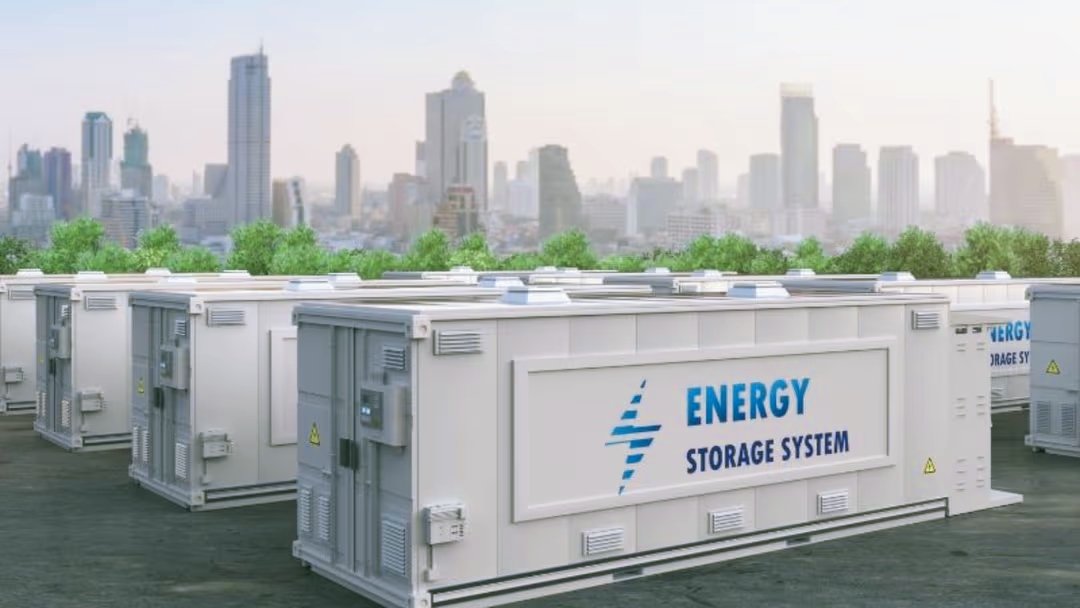
The tariff discovered in the auction underscores the increasing affordability of integrating Battery Energy Storage Systems (BESS) with renewable energy projects. Industry experts view the ₹3.12 per kWh tariff as a strong indicator that declining battery prices and technological advancements are making dispatchable renewable power increasingly competitive with conventional energy sources.
The auction outcome highlights India’s continued progress toward building a more flexible and reliable power system capable of accommodating higher shares of renewable energy.
Key Project Requirements
Under the tender conditions, developers will be required to:
- Generate electricity through grid-connected solar photovoltaic projects.
- Maintain the prescribed Capacity Utilization Factor (CUF) requirements.
- Integrate Battery Energy Storage Systems (BESS) with the solar plants.
- Supply additional dispatchable power from battery storage during designated peak demand hours.
- Deliver stored energy equivalent to 50 percent of the contracted capacity for six hours during peak periods.
These requirements are designed to enhance grid stability, improve renewable energy integration, and ensure reliable power availability during periods of high electricity demand.
Commissioning Timeline
According to the tender provisions, the awarded projects are expected to be commissioned within 24 months from the date of signing the Power Purchase Agreement (PPA). Once operational, the projects will contribute significantly to India’s clean energy generation capacity while supporting the country’s long-term decarbonization and energy security objectives.
Strengthening India’s Energy Transition
The successful completion of the SECI 1,200 MW Solar+BESS Auction marks another milestone in India’s renewable energy journey. With major developers such as NLC India Renewables, Engie Energy India, RPIL Power Three, and Oriana Power securing capacity, the auction demonstrates growing confidence in solar-plus-storage solutions as a key component of the nation’s future energy mix.
The results also reaffirm the critical role of Battery Energy Storage Systems, which are expected to play an increasingly important role in balancing renewable generation, meeting peak demand requirements, and supporting India’s ambitious clean energy targets in the years ahead.