
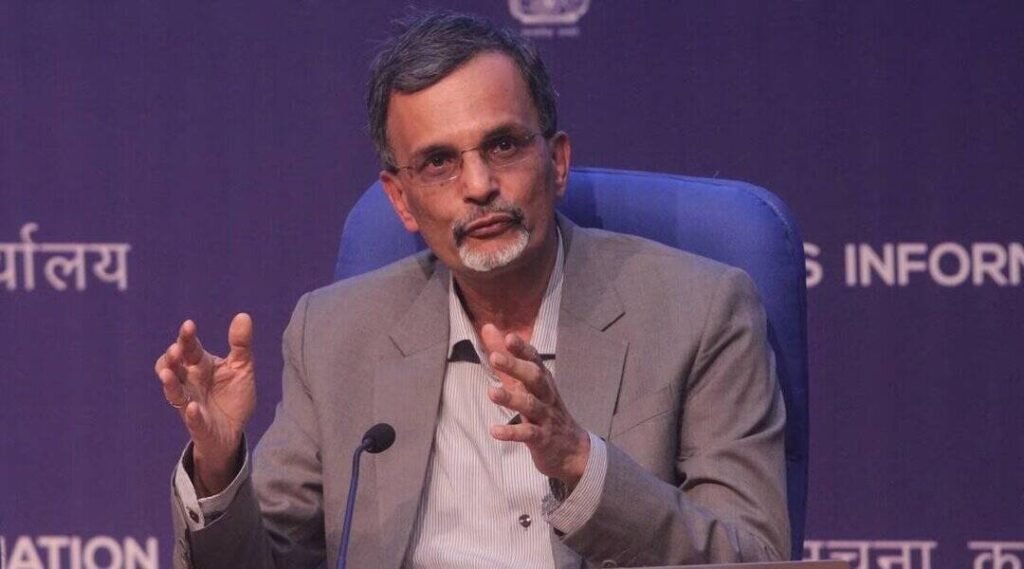
New Delhi, India — India’s Chief Economic Advisor (CEA), V. Anantha Nageswaran, has sparked a nationwide discussion on the future of education and employment after stating that the era in which software engineering, computer science, and MBA degrees provided India with a distinct advantage in the global economy is gradually coming to an end.
Speaking on the changing nature of work and the growing influence of Artificial Intelligence (AI), Nageswaran urged young Indians to focus more on acquiring trade and vocational skills, arguing that many practical professions are less vulnerable to automation and AI-driven disruption.
“The period when globalization created opportunities primarily through software, computer science, and MBA education is over,” Nageswaran said, emphasizing the need for a broader skill-development strategy.
According to the Chief Economic Advisor, rapid advances in AI technologies are reshaping industries worldwide, automating tasks that were once considered secure career paths for highly educated professionals. As a result, he believes that future workers will need a combination of technical knowledge, practical expertise, and adaptability.
Nageswaran highlighted that skilled trades—including areas such as manufacturing, electrical work, plumbing, construction, machine operations, precision engineering, and technical maintenance—are likely to remain in high demand because they involve hands-on tasks that AI and robotics cannot easily replace.
He also expressed concern that Indian society often places greater prestige on white-collar professions while undervaluing vocational careers.
“India gives relatively little respect to trade skills compared with countries such as China and Japan, and that mindset needs to change,” he noted.
Experts say countries like China, Japan, Germany, and South Korea have long invested heavily in vocational education and technical training programs, creating strong workforces capable of supporting advanced manufacturing and industrial growth. These nations often treat skilled technicians and tradespeople as critical contributors to economic development.
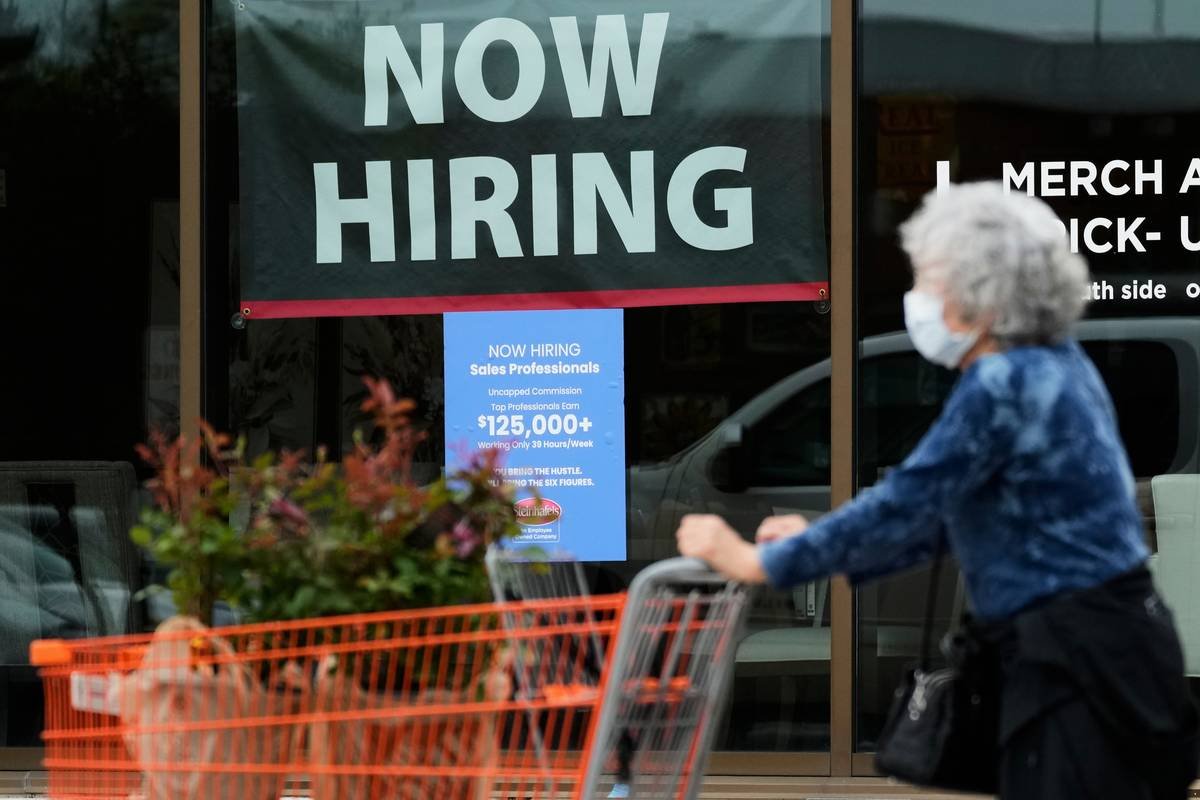
Nageswaran’s comments come at a time when governments, businesses, and educational institutions around the world are reassessing workforce needs in response to AI-driven transformation. While sectors such as software development and business management remain important, economists increasingly argue that future labor markets will require a more diverse range of skills.
The Chief Economic Advisor stressed that India’s long-term economic success will depend not only on producing engineers and management graduates but also on creating a strong ecosystem for skill development, vocational training, apprenticeships, and technical education.
His remarks have reignited debate about the future of higher education, employment trends, and how India can prepare its young population for a rapidly changing global economy.
Key Highlights
- CEA V. Anantha Nageswaran said the era dominated by software, computer science, and MBA education is fading.
- He urged young people to acquire trade and vocational skills that are harder for AI to replace.
- Nageswaran argued that India gives insufficient recognition to skilled trades.
- He cited China and Japan as examples of countries that highly value vocational expertise.
- The comments reflect growing concerns about AI’s impact on traditional white-collar jobs.
- Experts say strengthening technical training and skill development will be crucial for India’s future workforce and economic growth.