

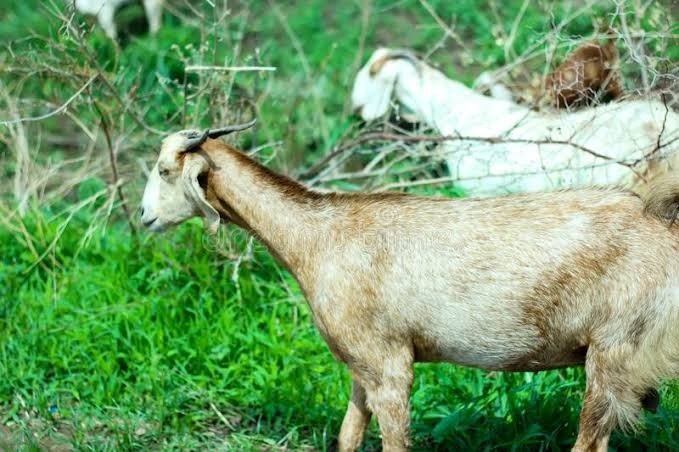

Goat farming is an important source of income and employment in rural areas. Goats can be raised under a wide range of climatic conditions and generally require comparatively low initial investment. However, the monsoon season requires special attention and proper management.
During the rainy season, humidity increases, floors and grazing areas become wet, and muddy surroundings and contaminated water can increase the risk of infectious diseases and parasitic infections. Proper housing, nutrition, hygiene, vaccination, parasite control and early identification of diseases can help farmers keep goats healthy while reducing mortality and economic losses.
1. Major Problems in Goat Farming During the Monsoon
Goats may face several challenges during the rainy season, including:
- Excessive humidity and wet surroundings
- Rainwater entering the goat shed
- Mud and unhygienic conditions
- Risk of drinking contaminated water
- Mouldy, rotten or spoiled feed
- Increased internal and external parasite infections
- Diarrhoea and digestive disorders
- Hoof infections and foot-related problems
- Pneumonia and respiratory diseases
- Skin infections
- Increased numbers of flies, mosquitoes and other insects
- Digestive problems caused by a sudden increase in green fodder
Therefore, greater care is required during the monsoon compared with normal weather conditions.
2. Proper Housing Management
The most important requirement during the rainy season is to provide goats with a dry, clean and safe shelter.
Location of the Shed
The goat shed should preferably be constructed on elevated ground where rainwater does not accumulate. Building a shed in a low-lying area can lead to waterlogging and mud, increasing the risk of disease.
Roof
The roof should not leak. It should have adequate slope so that rainwater can drain away easily. Any damaged portion of the roof should ideally be repaired before the monsoon begins.
Flooring
The floor should remain dry and clean. Wherever possible, a raised floor is preferable because it reduces direct contact between goats and rainwater or damp soil.
Wet bedding should be removed regularly and replaced with dry material. Straw, dry grass or other suitable dry bedding material can be used.
Ventilation
The shed should have adequate ventilation and air circulation. However, goats should be protected from direct exposure to heavy rain and cold winds.
An excessively closed shed can increase humidity and ammonia levels, which may contribute to respiratory problems.
3. Hygiene and Cleanliness
Regular cleaning of the goat shed is particularly important during the monsoon.
- Remove dung and urine regularly.
- Replace wet bedding immediately.
- Clean feeding and drinking utensils regularly.
- Prevent water from accumulating around the shed.
- Remove mud and maintain proper drainage.
- Do not keep dead animals or organic waste near the shed.
- Follow veterinary advice regarding disinfection and pest control.
Maintaining a clean environment helps reduce the buildup of disease-causing organisms and parasites.
4. Feed Management During the Monsoon
Green fodder becomes readily available during the rainy season, but goats should not be fed only green fodder. Their diet should include green fodder, dry fodder and balanced feed when required.
Suddenly increasing the quantity of green fodder can cause digestive problems.
Precautions While Feeding
- Do not feed wet, rotten or mouldy fodder.
- Avoid fodder contaminated with mud or dirt.
- Use suitable feeding troughs instead of placing feed directly on the ground.
- Collect green fodder from clean areas.
- Provide sufficient dry fodder along with green fodder.
- Pay special attention to the nutritional requirements of pregnant, lactating and growing goats.
5. Providing Clean Drinking Water
Although water is easily available during the rainy season, goats must be provided with clean and safe drinking water.
Do not allow goats to drink stagnant rainwater, drainage water or muddy water. Drinking containers should be cleaned regularly to prevent the accumulation of algae, dirt or dung.
6. Hoof Care
Continuous exposure to wet soil and mud can soften goat hooves and increase the risk of infection. Certain hoof-related diseases can spread rapidly under favourable conditions.
Farmers should therefore:
- Avoid keeping goats standing in mud for long periods.
- Keep the shed floor dry.
- Check hooves regularly.
- Arrange for proper trimming of excessively overgrown hooves.
- Consult a veterinarian if lameness, swelling, foul smell or wounds are noticed.
7. Parasite Control
Moist conditions and pasture availability during the monsoon can increase the risk of several types of parasites.
Internal parasites can cause weight loss, weakness, diarrhoea, anaemia and poor growth. Deworming medicines should not be administered repeatedly or unnecessarily without professional advice.
Farmers should follow the recommendations of a veterinarian and local animal-health programme. Where appropriate, faecal examination and targeted treatment can be more useful than routine, unnecessary deworming.
External parasites such as lice, ticks and mites should also be checked regularly.
8. Vaccination
Before and during the monsoon, farmers should review the vaccination status of their goats.
Vaccination against important locally prevalent infectious diseases, including haemorrhagic septicaemia (HS), enterotoxaemia and other diseases covered by the local goat-health programme, should be carried out according to the advice of the local veterinary department.
Important vaccination precautions include:
- Give priority to healthy animals.
- Maintain the recommended vaccine storage temperature.
- Never use expired or improperly stored vaccines.
- Maintain proper vaccination records.
- Follow a vaccination schedule based on diseases prevalent in the local area.
9. Prevention of Diarrhoea and Digestive Problems
During the rainy season, diarrhoea may occur because of contaminated water, spoiled feed, sudden dietary changes or parasitic infections.
A goat suffering from diarrhoea should be separated from healthy animals and monitored carefully. Dehydration and weakness should be taken seriously.
Diarrhoea can cause rapid dehydration, particularly in young kids. Veterinary assistance should therefore be sought promptly when serious symptoms appear.
10. Prevention of Respiratory Diseases
Cold winds, continuous moisture and poor ventilation during the monsoon can increase respiratory problems.
If a goat develops:
- Persistent coughing
- Nasal discharge
- Difficulty or rapid breathing
- Fever
- Loss of appetite
- Severe weakness
it should be isolated and examined by a veterinarian.
The shed should have proper ventilation, while goats should be protected from continuous exposure to cold and wet conditions.
11. Care of Newborn and Young Kids
Newborn and young goats require special attention during the rainy season because they are more vulnerable to infections and cold conditions.
Farmers should:
- Keep newborn kids dry.
- Ensure they receive adequate colostrum, or the mother’s first milk, soon after birth.
- Protect them from wet and cold floors.
- Maintain clean and dry bedding.
- Never provide contaminated water or mouldy feed.
- Regularly monitor their weight, appetite and activity.
12. Management of Pregnant and Lactating Goats
Pregnant goats should receive a nutritious and balanced diet. They should be protected from excessive stress, damp conditions and poor nutrition.
Lactating goats require sufficient energy, protein, minerals and clean drinking water. Their udders should be kept clean and dry, and the milking area should be maintained hygienically.
13. Grazing Management
Special care is required while grazing goats during the monsoon.
Allowing goats to remain for long periods in very wet pastures can increase the risk of hoof problems and parasitic infections. It is advisable to avoid extremely waterlogged grazing areas, particularly immediately after heavy rainfall.
Rotating grazing areas and managing pasture properly can help reduce parasite pressure.
14. Isolating Sick Goats
Any goat showing signs of illness should be separated from healthy animals. This can help reduce the potential spread of infectious diseases.
Farmers should watch for symptoms such as:
- Loss of appetite
- Persistent diarrhoea
- Coughing
- Abnormal discharge from the nose or eyes
- Fever
- Lameness
- Hoof wounds or swelling
- Rapid loss of body condition
- Skin lesions or excessive itching
- Unusual isolation from the herd
In case of serious symptoms, farmers should avoid self-medication and seek veterinary assistance.
15. Proper Use of Medicines
Because the risk of disease may increase during the monsoon, farmers sometimes administer antibiotics, dewormers or other medicines without professional advice. This should be avoided.
The correct dosage depends on the animal’s age, body weight, condition and the medicine being used. Medicines should therefore be administered according to veterinary advice.
In particular, unnecessary use of antibiotics should be avoided because inappropriate antibiotic use can contribute to antimicrobial resistance.
16. Preparation Before the Monsoon
Farmers should complete the following preparations before the rainy season begins:
- Repair the roof and walls of the shed.
- Ensure proper drainage around the shed.
- Stock sufficient dry bedding and good-quality fodder.
- Clean drinking-water containers.
- Check the condition of the goats’ hooves.
- Review vaccination records.
- Consult the local veterinarian regarding prevalent diseases and vaccination schedules.
- Prepare a separate area for sick animals.
- Protect stored fodder from rain and moisture.
- Remove bushes, waste and stagnant water around the shed.
17. Goat Farming During the Monsoon: Do’s and Don’ts
What Farmers Should Do
- Keep the shed dry and clean.
- Provide clean drinking water.
- Provide good-quality feed.
- Include adequate dry fodder in the diet.
- Conduct regular health checks.
- Follow the recommended vaccination programme.
- Control parasites under veterinary guidance.
- Isolate sick animals.
- Protect stored fodder from moisture and mould.
What Farmers Should Avoid
- Do not keep goats continuously in muddy conditions.
- Do not feed rotten or mouldy fodder.
- Do not provide dirty or contaminated stagnant water.
- Do not repeatedly administer medicines without professional advice.
- Do not ignore signs of illness.
- Do not allow goats to graze for long periods in excessively wet areas.
- Do not keep sick animals together with healthy goats.
Conclusion
The monsoon can be a challenging season for goat farming, but proper management can significantly reduce these risks. Dry and hygienic housing, effective drainage, balanced nutrition, clean drinking water, hoof care, parasite control, appropriate vaccination and early detection of disease are the key elements of successful goat management during the rainy season.
Farmers should pay particular attention to newborn kids, pregnant goats, lactating animals and weak goats. Whenever serious symptoms of illness are observed, timely consultation with a qualified veterinarian is the safest approach.
By adopting these practices, farmers can protect their goats from many seasonal health problems and improve their survival, growth, reproduction and productivity, ultimately helping reduce economic losses and improve the profitability of goat farming.