

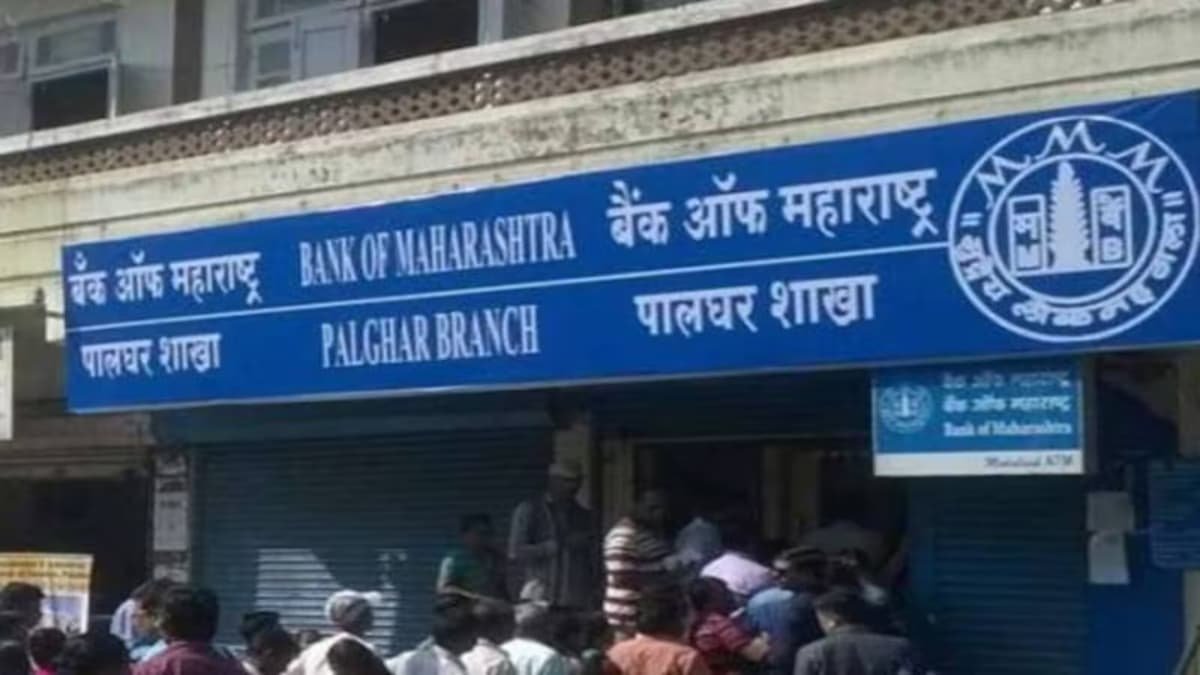

New Delhi, India | June 2026 — Bank of Maharashtra, one of India’s leading public sector banks, has announced a revision in its Marginal Cost of Funds Based Lending Rate (MCLR) following a periodic review of its benchmark lending rates. The revised rates will come into effect on June 17, 2026.
The bank disclosed the changes through regulatory filings submitted to the stock exchanges, in accordance with SEBI (Listing Obligations and Disclosure Requirements) Regulations, 2015.
The revision primarily affects the six-month and one-year MCLR tenors, while short-term benchmark lending rates remain unchanged.
What is MCLR?
The Marginal Cost of Funds Based Lending Rate (MCLR) is an internal benchmark rate used by banks to determine the interest rates applicable on various loan products. Introduced by the Reserve Bank of India (RBI), MCLR is designed to ensure that changes in funding costs are transmitted more efficiently to borrowers.
Many retail and corporate loans, particularly older loan accounts linked to MCLR, are directly impacted whenever banks revise these benchmark rates.
Revised MCLR Rates Effective June 17, 2026
According to the latest announcement, Bank of Maharashtra has revised its MCLR structure as follows:TenorPrevious RateRevised RateOvernight7.50%7.50% (Unchanged)One Month8.30%8.30% (Unchanged)Three Months8.55%8.55% (Unchanged)Six Months8.70%8.80%One Year8.85%8.95%
All rates are applicable on a per annum basis.
The increase of 10 basis points (0.10%) in both the six-month and one-year tenors reflects the bank’s latest assessment of funding costs and market conditions.
Impact on Borrowers
The revision is expected to have a limited but noticeable impact on borrowers whose loans are linked to the affected MCLR benchmarks.
Home Loan Borrowers
Certain home loan accounts that continue to be linked to the one-year MCLR may experience a slight increase in interest rates when their reset date arrives.
Corporate and Business Loans
Businesses and corporate borrowers whose credit facilities are benchmarked to the six-month or one-year MCLR could also see marginally higher borrowing costs.
Short-Term Borrowers Unaffected
Customers whose loans are linked to the overnight, one-month, or three-month MCLR tenors will not experience any change in interest rates as these benchmarks remain unchanged.
Why Banks Revise MCLR
Banks periodically review their MCLR based on several factors, including:
- Cost of funds
- Deposit interest rates
- Liquidity conditions
- Market interest rate trends
- Operational expenses
- Regulatory requirements
Changes in these factors may lead banks to adjust lending benchmarks to maintain financial sustainability and profitability.
Regulatory Compliance and Disclosure
The revised rates were disclosed under Regulation 30 of the SEBI (Listing Obligations and Disclosure Requirements) Regulations, 2015.
As a listed public sector bank, Bank of Maharashtra is required to promptly inform investors and stock exchanges about significant developments that may impact stakeholders or business operations.
The filing was submitted to both the Bombay Stock Exchange (BSE) and the National Stock Exchange (NSE) as part of the bank’s regulatory compliance framework.
About Bank of Maharashtra
Bank of Maharashtra is one of India’s prominent public sector banks, offering a comprehensive range of banking and financial services across:
- Retail Banking
- Corporate Banking
- Agricultural Finance
- MSME Lending
- Digital Banking Services
- Rural and Financial Inclusion Programs
With a strong nationwide presence and a growing digital banking ecosystem, the bank continues to play an important role in supporting India’s economic and financial development.
Conclusion
The latest revision in Bank of Maharashtra’s MCLR structure reflects the bank’s periodic review of lending benchmarks and funding costs. While short-term benchmark rates remain unchanged, the 10-basis-point increase in the six-month and one-year MCLR tenors could lead to slightly higher borrowing costs for certain retail and corporate customers.
As interest rate conditions continue to evolve, borrowers linked to MCLR-based loan products may closely monitor future revisions and their potential impact on loan repayments and financing costs.