
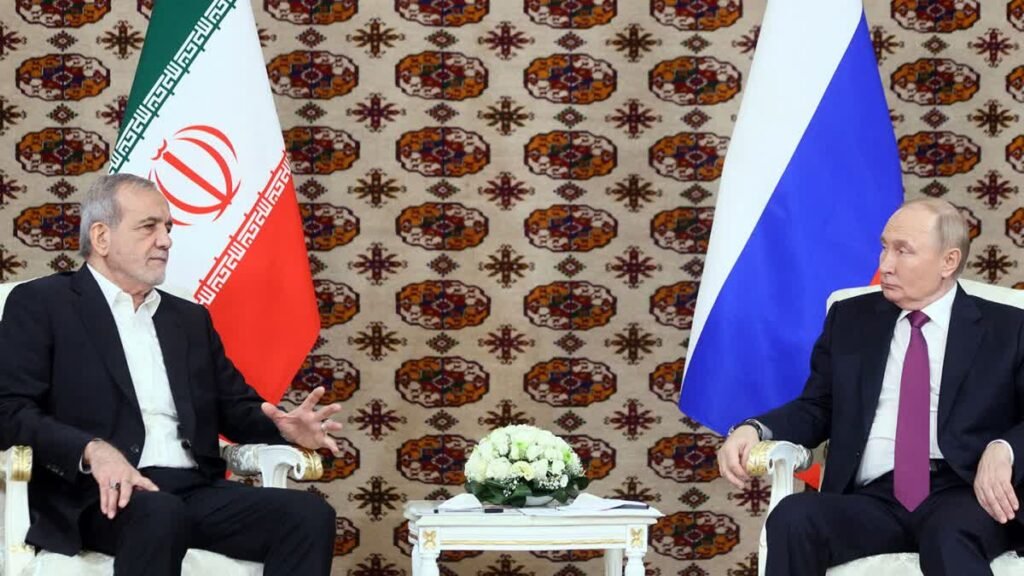
Tehran / Moscow / Islamabad — Russian President Vladimir Putin held a phone conversation with Iranian President Masoud Pezeshkian on Sunday, offering Russia’s assistance in advancing peace efforts after high-stakes talks between Iran and the United States ended without an agreement.
According to statements from both the Kremlin and the Iranian presidency, the two leaders reviewed recent regional and global developments, including the fragile ceasefire situation in the Middle East. Putin reaffirmed Russia’s continued commitment to a diplomatic resolution and expressed readiness to mediate in order to achieve a “just and lasting peace” in the region.
The call came shortly after marathon negotiations between Iran and the United States in Islamabad collapsed following nearly 21 hours of discussions. The talks, seen as a critical step toward easing tensions, ended without any formal agreement.
U.S. Vice President JD Vance, who was present during the negotiations, confirmed the breakdown before departing for Washington. Speaking to reporters, Vance described the outcome as a significant setback for Tehran.
“We made progress on several important issues — that’s the good news,” Vance said. “The bad news is we were unable to reach a deal. That’s bad news for Iran, more than it is for the United States.”
He emphasized that while Washington showed flexibility in certain areas, it remained firm on its “red lines,” particularly concerning Iran’s nuclear ambitions. The U.S. had sought a clear commitment from Tehran not to pursue nuclear weapons, but negotiators were unable to secure agreement on those terms.
“We are leaving with what we consider our best and final offer,” Vance added. “The next move is up to Iranian leadership.”
From Tehran’s perspective, however, significant disagreements persisted over the scope and framework of the negotiations. Iranian state media indicated that talks broke down due to what officials described as “excessive demands” from the U.S. side.
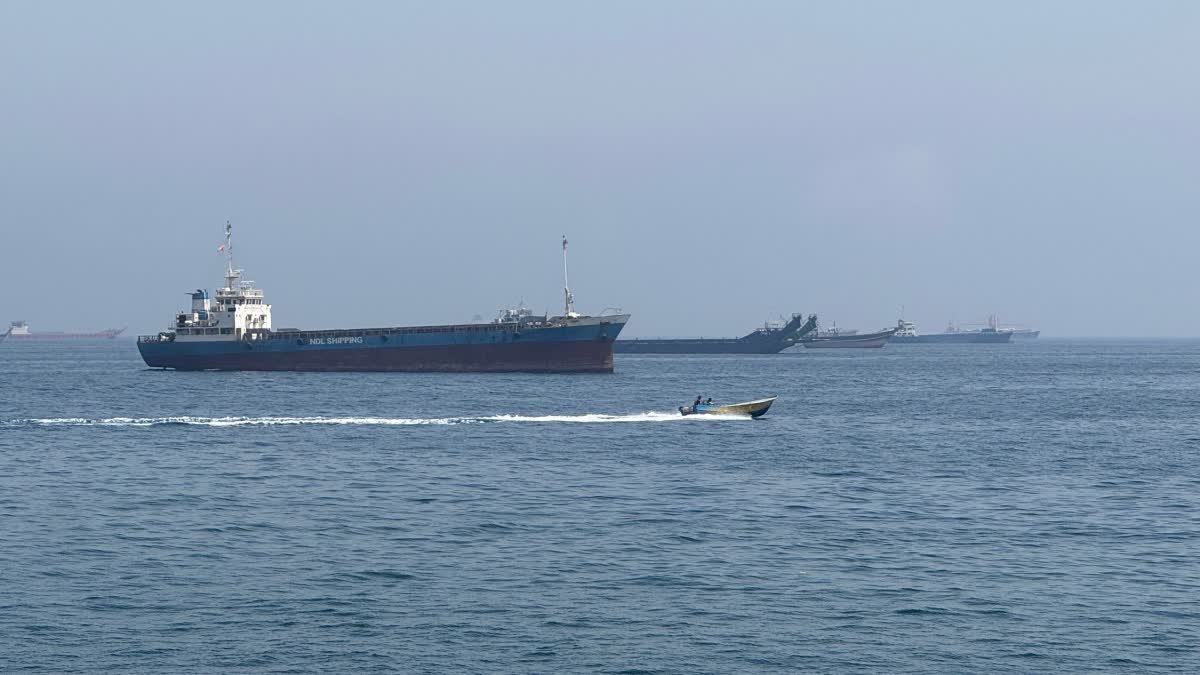
Key sticking points reportedly included Iran’s nuclear rights and control over the strategically vital Strait of Hormuz — a crucial global oil transit route. The unresolved issues have heightened uncertainty over regional security and stability.
With diplomatic efforts now at a standstill, Russia’s offer to mediate could play a pivotal role in determining the next phase of negotiations in the Middle East.