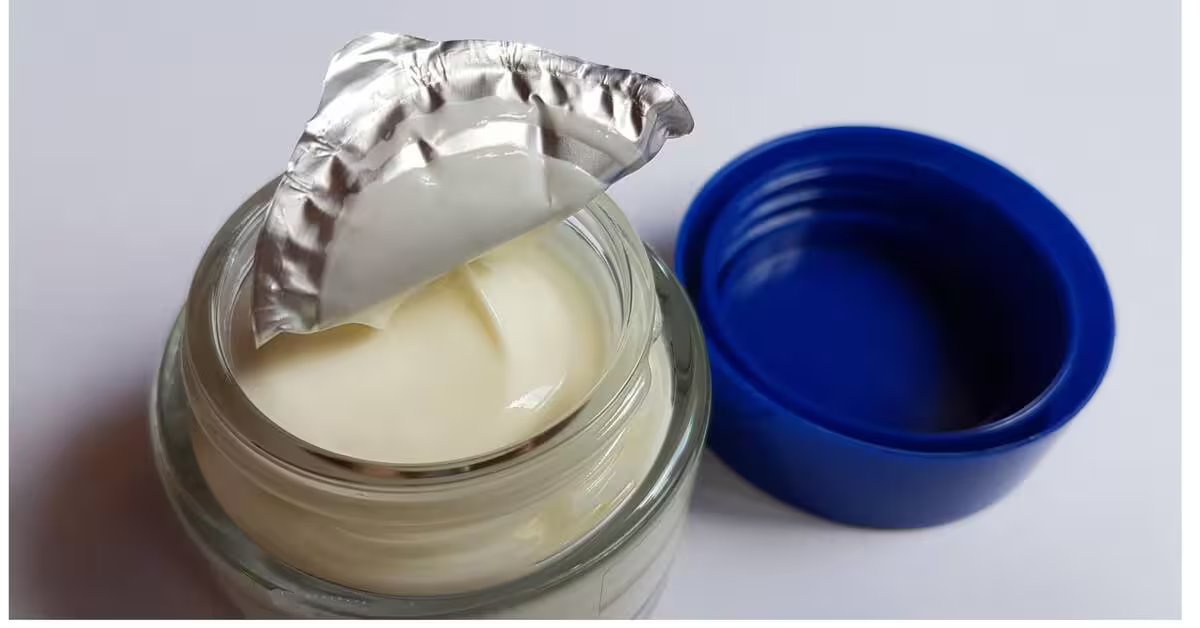

A 17-year-old girl from Areekode in Keralam’s Malappuram district developed a serious kidney disorder after using a fairness cream for nearly a year. Following the incident, a case has been registered against the producer of a skin cream allegedly found to contain excessive quantities of mercury, reported news agency PTI.
According to the FIR, the girl purchased and started using a cream marketed as ‘F Tune’ after coming across its advertisement on Instagram. The product was allegedly promoted as a solution for pimples and facial blemishes, with claims that it could give the skin a glowing appearance.
After using the cream, the girl began experiencing health problems, including sudden drops in blood pressure and fainting. Her legs also became swollen, making it difficult for her to walk and climb stairs. She reportedly experienced a sudden drop in blood pressure while urinating, which caused dizziness and fainting, prompting her to seek medical attention.
Nephrologist Gowri S, who is treating the girl, said that detailed medical examinations detected dangerously high levels of mercury in her blood and body.
“Mercury can severely damage the filtering units of the kidneys,” she said, adding that the girl had developed membranous nephropathy, a serious kidney condition that could lead to further complications if left untreated, reported PTI.
Tests conducted on the cream allegedly found mercury levels of 12,500 parts per million (ppm), against the permissible limit of less than 1 ppm, the doctor said.
She also alleged that she had informed the company about her health problems but received no positive response. The company initially said its senior officials would be informed but subsequently stopped responding to her messages, she claimed. Her family has decided to initiate legal proceedings against the company before the consumer court.
The case has been registered under various sections of the Bharatiya Nyaya Sanhita, the Drugs and Cosmetics Act, and the Keralam Police Act. The cream’s producer has been named as the accused, and further investigation is underway.
Keralam orders statewide crackdown on cosmetics
Following the incident, state Health Minister K Muraleedharan on Sunday ordered statewide action, including inspections of fake cosmetics and protein powders. In a statement, the minister said such unapproved beauty and health products were coming from Pakistan and the Mangaluru-Kasaragod region.
Earlier this month, Madhya Pradesh also cracked down on unauthorised Pakistan-made ‘whitening’ creams.
How widespread is the problem of mercury in cosmetics?
The incident has also brought attention to concerns over the use of mercury in skin-lightening products. According to nephrologist Gowri S, nephrologists in Keralam have been made aware of kidney-related ailments linked to high-mercury cosmetics for the past five years. The issue has also been discussed at a state-level conference of nephrologists.
Recovery in such cases can take anywhere from three months to a year, she said, reported PTI. Most of the affected patients were young and middle-aged, and none reportedly required dialysis. The disease does not usually turn fatal because patients are diagnosed early, as intense symptoms prompt them to consult nephrologists.
Mercury is added to some skin-lightening creams for its whitening effect. However, prolonged exposure through the skin can harm the body. Health effects include kidney damage, skin rashes and discolouration, and damage to the nervous system, along with other systemic complications. Studies have shown that mercury exposure can occur through absorption through the skin, ingestion or inhalation.
What does Indian law say about mercury in cosmetics?
Indian law does not impose a blanket ban on mercury in cosmetics. Under the Cosmetics Rules, 2020, which replaced the cosmetics provisions of the Drugs and Cosmetics Rules, 1945, products intended exclusively for the eye area may contain up to 70 ppm (0.007 per cent) of mercury as a preservative.
For all other finished cosmetics, the limit is 1 ppm, and mercury is permitted only as an unintentional trace.
However, concerns arise because creams purchased online often lack ingredient labels, making it difficult for consumers to identify potentially harmful substances.