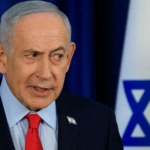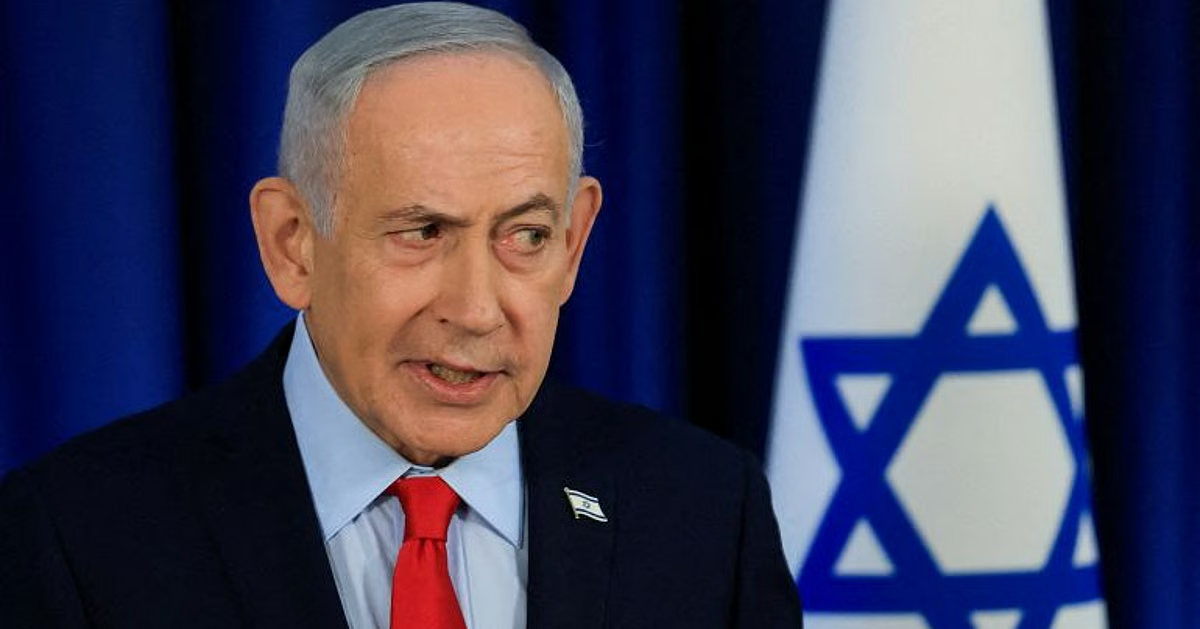

Israeli Prime Minister Benjamin Netanyahu has reportedly told senior ministers and security officials that another military operation against Iran is unavoidable, even as US President Donald Trump and members of his administration remain cautious about launching fresh strikes against Tehran.
According to Israeli media reports, Netanyahu has been pressing Washington to support a short but intensive military campaign aimed at weakening Iran’s military capabilities. However, officials close to Trump have expressed reservations about the urgency of another offensive, with some questioning whether the Israeli prime minister’s push is influenced by domestic political considerations.
Israel’s Channel 13 reported that Netanyahu had conveyed to senior officials during recent security discussions that military action against Iran could no longer be avoided.
An unnamed senior Israeli military officer also claimed that the Israel Defense Forces (IDF) and the US Central Command had developed and approved operational plans, leaving the timing of a potential attack dependent on Trump’s decision.
The reported plans have not been independently confirmed by either government, and no decision to launch a new military campaign has been publicly announced.
𝐓𝐫𝐮𝐦𝐩 𝐬𝐢𝐠𝐧𝐚𝐥𝐬 𝐜𝐚𝐮𝐭𝐢𝐨𝐧
Trump, however, has indicated that he is unwilling to make an immediate decision on further military action against Iran.
Speaking to Axios and Israel’s Channel 12 on Thursday, the US president said, “I am not rushing into any decision,” adding that Washington would assess developments after the beginning of 2027.
In a separate interview with Reuters, Trump suggested that the administration had time to consider its options before determining whether additional strikes were necessary.
His remarks contrasted with Netanyahu’s reported position that renewed military action was inevitable.
According to reports, Trump has instructed the Pentagon and American intelligence agencies to examine potential attack scenarios prepared by US Central Command.
One of the principal questions being assessed is whether the United States could strike Iranian military targets without triggering widespread retaliation against energy infrastructure in Gulf countries.
American officials are also considering the effectiveness of continued economic pressure, sanctions and the US naval blockade as alternatives to another major offensive.
𝐔𝐒 𝐨𝐟𝐟𝐢𝐜𝐢𝐚𝐥𝐬 𝐪𝐮𝐞𝐬𝐭𝐢𝐨𝐧 𝐈𝐬𝐫𝐚𝐞𝐥’𝐬 𝐮𝐫𝐠𝐞𝐧𝐜𝐲
Reports suggest that some officials within the Trump administration are sceptical about Netanyahu’s arguments for an immediate military campaign.
Israel’s Channel 12 reported that an official close to Trump believed Netanyahu’s renewed push for war could be influenced by political developments in Israel.
The Israeli prime minister lost his parliamentary majority in the October 27 election, creating uncertainty over the future of his government.
Political opponents have accused Netanyahu of seeking to prolong the confrontation with Iran to strengthen his domestic position. Netanyahu has rejected suggestions that his approach to Iran is driven by political considerations.
The disagreements have also extended to assessments of the Iranian threat.
Israeli intelligence officials have reportedly warned their American counterparts that Tehran is rebuilding military capabilities and exploring chemical and biological weapons programmes.
However, some US and Gulf officials have questioned the strength of the intelligence supporting those assessments.
The concerns have complicated discussions over whether the available information justifies immediate military action.
𝐈𝐬𝐫𝐚𝐞𝐥 𝐬𝐞𝐞𝐤𝐬 𝐬𝐡𝐨𝐫𝐭 𝐚𝐢𝐫 𝐜𝐚𝐦𝐩𝐚𝐢𝐠𝐧
Netanyahu is reportedly seeking a US-backed air campaign lasting between four and seven days, targeting Iranian military infrastructure and facilities associated with weapons development.
Israeli officials have expressed concern that Iran is rebuilding ballistic missile production capabilities and strengthening underground installations to protect sensitive military and nuclear facilities from aerial attacks.
The proposed campaign would seek to disrupt these capabilities before they become more difficult to target.
Reports have also indicated that Mossad director Roman Gofman visited Washington last week to discuss intelligence assessments and potential military options with senior American officials.
During the visit, Gofman reportedly met CIA Director John Ratcliffe and other administration representatives.
The discussions followed earlier coordination between senior Israeli and American military officials.
US Central Command chief Admiral Brad Cooper also met IDF Chief of Staff Lieutenant General Eyal Zamir and other Israeli security officials in Tel Aviv on Wednesday.
Despite the reported preparations, the extent of agreement between Washington and Tel Aviv over the necessity and timing of another attack remains unclear.
𝐂𝐡𝐞𝐦𝐢𝐜𝐚𝐥 𝐰𝐞𝐚𝐩𝐨𝐧𝐬 𝐜𝐥𝐚𝐢𝐦𝐬 𝐝𝐢𝐬𝐩𝐮𝐭𝐞𝐝
A central element of Israel’s argument for renewed military action concerns allegations that Iran is developing chemical and biological weapons capabilities.
Trump has publicly suggested that Tehran may be exploring such programmes following damage to its nuclear infrastructure during previous military operations.
In an interview with Fox News, he said there were indications that Iran was examining chemical and biological weapons options.
However, the US president did not provide publicly verifiable evidence establishing that Iran possessed deployable chemical or biological weapons.
Iran has rejected the allegations, accusing Israel and the United States of using unsubstantiated intelligence claims to justify another military confrontation.
Iranian foreign ministry spokesperson Esmaeil Baghaei has compared the allegations to claims made about Iraq’s weapons of mass destruction before the 2003 US-led invasion.
Reports have indicated that some Gulf governments also remain unconvinced by the Israeli intelligence assessments.
The competing claims have increased scrutiny of the evidence being used to support calls for further military action.
𝐖𝐚𝐫 𝐛𝐞𝐠𝐚𝐧 𝐢𝐧 𝐅𝐞𝐛𝐫𝐮𝐚𝐫𝐲
The latest tensions follow the US-Israeli military campaign launched against Iran on February 28, 2026, targeting Iranian military and nuclear infrastructure.
Although a ceasefire has formally been in place since April, hostilities and military incidents have continued.
The conflict has disrupted regional energy supplies and maritime trade, particularly around the strategically important Strait of Hormuz.
The United States has maintained economic sanctions and a naval blockade intended to pressure Tehran.
However, indirect negotiations between Washington and Iran have failed to produce a comprehensive agreement resolving the confrontation.
Iran has demanded relief from the blockade and other concessions before engaging in further discussions over its nuclear programme.
The continuing standoff has raised concerns among regional governments about the consequences of another large-scale military campaign.
𝐆𝐮𝐥𝐟 𝐜𝐨𝐮𝐧𝐭𝐫𝐢𝐞𝐬 𝐮𝐫𝐠𝐞 𝐫𝐞𝐬𝐭𝐫𝐚𝐢𝐧𝐭
Several Middle Eastern governments have intensified diplomatic efforts to prevent renewed fighting between Iran and the US-Israeli alliance.
Saudi Arabia, Turkey and other regional countries have urged Washington to avoid military escalation, warning that another confrontation could threaten critical energy and civilian infrastructure.
Regional officials fear that Iranian retaliation could target oil installations, shipping routes, electricity facilities and desalination plants.
The Strait of Hormuz, through which substantial volumes of global energy supplies normally pass, remains particularly vulnerable to disruptions.
The conflict has already affected international energy markets and increased concerns about the security of commercial shipping.
A renewed offensive could further complicate diplomatic efforts to restore regional stability.
𝐔𝐒 𝐒𝐞𝐧𝐚𝐭𝐞 𝐫𝐞𝐣𝐞𝐜𝐭𝐬 𝐰𝐚𝐫 𝐩𝐨𝐰𝐞𝐫𝐬 𝐦𝐞𝐚𝐬𝐮𝐫𝐞
The debate over further strikes has also reached the US Congress, where lawmakers remain divided over the administration’s handling of the conflict.
On Thursday, the Senate voted 51-48 against legislation that would have required Trump to end the military campaign or seek congressional authorisation to continue it.
The measure had previously passed the House of Representatives.
Democratic lawmakers have questioned the administration’s strategy and argued that prolonged military operations require greater congressional oversight.
The vote came amid broader political uncertainty following the November midterm elections, in which Republicans suffered significant setbacks.
Public concerns about the economic and human costs of the conflict have also increased pressure on the administration to explain its long-term objectives.
For now, Netanyahu’s reported determination to pursue another offensive stands in contrast to Trump’s public reluctance to authorise immediate strikes.
With military planning continuing and diplomatic efforts still underway, the timing and likelihood of renewed large-scale operations remain uncertain.