


RBI Deputy Governor Shirish Chandra Murmu said concerns that introducing MDR on UPI payments could increase cash usage may be overstated, even as currency in circulation continues to rise alongside digital payments.
Kolkata, September 19, 2026: The Reserve Bank of India (RBI) has played down concerns that the introduction of a Merchant Discount Rate (MDR) on higher-value UPI merchant transactions could encourage consumers to return to cash.
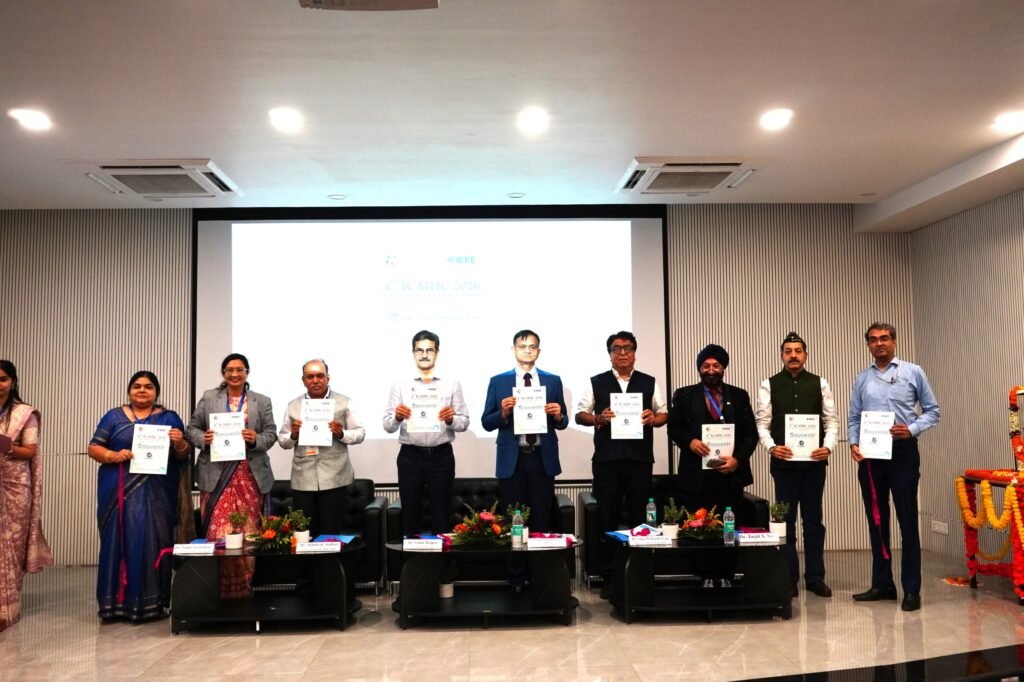
RBI Deputy Governor Shirish Chandra Murmu said on Friday that the introduction of MDR is unlikely to significantly affect the use of UPI. Speaking at an event organised by the Bengal Chamber of Commerce and Industry in Kolkata, Murmu said the charge would help the UPI payment ecosystem recover part of its operating costs.
“There are some concerns that charging for UPI could lead to greater use of cash,” Murmu said, adding that he did not expect MDR to have a major impact on digital payment adoption.
Earlier this week, the National Payments Corporation of India (NPCI) announced that a 0.4% MDR would apply to UPI person-to-merchant (P2M) transactions above ₹2,000 from October 15. For transactions of ₹75,000 or more, the MDR will be capped at ₹300.
Transactions of up to ₹2,000 between customers and merchants will remain outside the MDR framework. Person-to-person (P2P) UPI transactions, such as payments between family members and friends, will also remain exempt.
NPCI has clarified that the MDR will be charged to merchants or business establishments, while customers will continue to make UPI payments without a direct charge. However, concerns have been raised that some merchants could eventually pass the additional cost on to customers, potentially influencing payment choices for larger transactions.
The RBI has said that keeping smaller P2M transactions free while allowing MDR on eligible higher-value transactions could support continued investment in payment technology and the UPI acceptance network.
According to the central bank, a more sustainable revenue model could help payment ecosystem participants invest in infrastructure, expand UPI acceptance and introduce new services. The RBI said it would continue working to ensure that UPI remains secure, convenient, affordable and accessible.
Cash Use Continues Despite Rapid Digitalisation
Murmu also highlighted what he described as a paradox in India’s payments landscape. While digital transactions have expanded rapidly, the amount of currency in circulation has also continued to increase.
At a global cash-management discussion organised by Bank Indonesia in Jakarta on August 13, Murmu said India’s digital payments growth over the past decade had been unprecedented. However, this had not resulted in a corresponding decline in currency in circulation, particularly among lower-income groups in rural and semi-urban areas, senior citizens and small businesses that continue to rely on cash.
RBI data showed that currency in circulation stood at ₹42.86 lakh crore at the end of August 2026, compared with ₹41.66 lakh crore at the end of FY2025-26 and ₹37.24 lakh crore a year earlier.
At the same time, the ratio of currency in circulation to GDP has generally declined since FY2021, when it stood at a peak of 14.4%. After four consecutive years of decline, the ratio increased slightly to 12.1% in FY2026.
The latest payment data also underline the simultaneous growth of digital and cash-based transactions. UPI transaction volume increased 22.5% year-on-year in August, while the value of transactions rose by around 20%.
The figures suggest that the expansion of digital payments has not eliminated demand for cash. Instead, cash and digital payments continue to serve different parts of India’s payment ecosystem, with UPI increasingly handling everyday transactions while cash remains important for several segments of consumers and businesses.
SEO Title: UPI MDR: RBI Says Charges on Payments Above ₹2,000 Unlikely to Increase Cash Use
Meta Description: RBI Deputy Governor Shirish Chandra Murmu says MDR on UPI payments above ₹2,000 is unlikely to push users back to cash. Know the new 0.4% MDR rules and RBI’s latest comments.