


New US law expands sanctions on Russia and gives the President authority to impose steep tariffs on major buyers of Russian energy
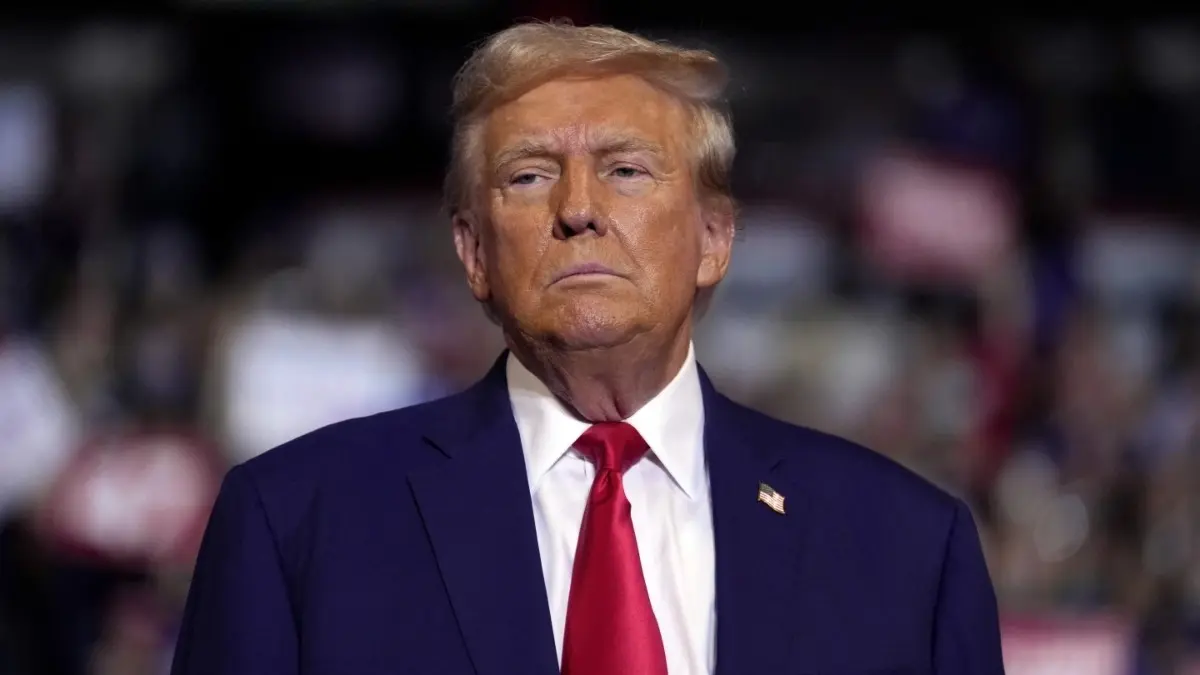
Washington/New Delhi : US President Donald Trump has signed into law a sweeping sanctions measure targeting Russia and Iran, expanding Washington’s ability to impose economic restrictions and tariffs on countries that continue purchasing Russian energy.
The White House confirmed on September 18 that Trump had signed H.R. 5334, the “Lindsey O. Graham Sanctioning Russia and Iran Act of 2026,” into law. The legislation authorises and expands statutory sanctions, tariffs and prohibitions concerning Russia while extending existing sanctions on Iran.
The law creates a mechanism under which the US President can impose tariffs of up to 100% on countries that are major purchasers of Russian oil or natural gas. India and China are among the countries whose purchases of Russian energy could bring them within the scope of the new tariff authority.
However, the signing of the law does not itself impose a 100% tariff on India or China. Any such tariff would require a separate decision by the US administration under the authority provided by the legislation.
What Does the New Russia Sanctions Law Do?
The legislation increases the US government’s ability to target Russia’s economy, including its energy and defence sectors. It also provides for action against Russia’s so-called “shadow fleet” of vessels used to transport oil and evade existing sanctions.
The broader objective of the legislation is to increase economic pressure on Moscow over the continuing war in Ukraine by targeting revenues associated with Russian energy exports.
The measure was originally introduced as a sanctions initiative associated with the late Senator Lindsey O. Graham. It passed the US House of Representatives by 262 votes to 159 before being sent to the President for signature. The Senate had previously approved the legislation.
India and China Could Face Higher Tariffs
The new law gives the US President authority to impose tariffs of as much as 100% on major importers of Russian oil or natural gas.
That provision has drawn particular attention in India because the country has continued to purchase Russian crude as part of its broader energy-import strategy.
The legislation includes provisions concerning countries that account for significant shares of Russian energy exports. It also provides certain exemptions related to Russian natural gas for countries that meet specified conditions, including taking substantial steps to reduce their dependence.
The key point for Indian businesses is that the potential tariff would apply to imports into the United States, rather than being a direct tax on India’s purchase of Russian crude.
India Reaffirms Energy Security Position
India has reiterated that its energy policy is guided by the need to ensure energy security for its population.
The government has said that India will continue to assess its energy purchases based on market conditions and the country’s requirements, while sourcing crude oil from different countries.
The issue has also raised concerns about the broader trajectory of India-US trade relations, particularly because the two countries have been engaged in discussions on trade and tariffs. Reuters reported that the new US legislation has added uncertainty to India’s energy and trade policy choices.
Why Russian Oil Matters to India
Russian crude has become an important component of India’s oil-import basket in recent years. Indian refiners have purchased Russian crude alongside supplies from other major producing countries.
For India, any decision affecting Russian oil purchases therefore has implications beyond foreign policy. Changes in sourcing could influence refinery economics, import costs and the broader domestic energy market.
At the same time, India has maintained that its energy procurement decisions are based on national requirements and market conditions.
Trump Gets Wider Tariff Authority
The legislation gives the US President significant additional authority to use tariffs as an economic pressure tool against countries purchasing Russian energy.
The law therefore creates a potential mechanism for Washington to target major Russian energy buyers without automatically applying the maximum tariff to every country covered by the legislation.
US officials and supporters of the measure have presented the sanctions as part of efforts to increase pressure on Russia and reduce the revenues available to finance its war effort. The legislation’s broader provisions target Russian officials, financial institutions, energy interests and the shadow tanker fleet.
What Happens Next?
The immediate question is whether the Trump administration will use the new authority against India, China or other major buyers of Russian energy.
For now, the law provides the authority for tariffs of up to 100%; it does not establish that India or China will automatically face a 100% tariff.
The next steps will depend on decisions by the US administration, as well as developments in Russian energy trade, US-Russia relations and the wider trade relationship between Washington, New Delhi and Beijing.
For India, the development creates a new layer of uncertainty around Russian crude purchases while keeping energy security, import diversification and India-US trade relations at the centre of the debate.