
New Delhi | The electorate in nine states and Union territories has declined by more than 17 million voters following the completion of the Special Intensive Revision (SIR) of electoral rolls, according to official data released by state election authorities.
The revision exercise, carried out under the supervision of the Election Commission of India, resulted in the combined voter base of Gujarat, Puducherry, Lakshadweep, Rajasthan, Chhattisgarh, Andaman and Nicobar Islands, Goa, and Kerala falling from over 214.5 million to about 197.5 million after final rolls were published this week.
Ongoing Nationwide Exercise
The SIR, which began on October 27, 2025, is part of a nationwide effort to update electoral rolls by removing duplicate entries, deceased voters, and those who have migrated, while also adding eligible new voters.
While the exercise has been completed in Bihar, it is currently underway in 12 states and Union territories, covering nearly 600 million electors. The remaining 400 million voters are expected to be covered in 17 states and five Union territories in subsequent phases.
In Assam, election authorities conducted a “special revision” instead of an SIR, which concluded on February 10.
Legal and Political Challenges
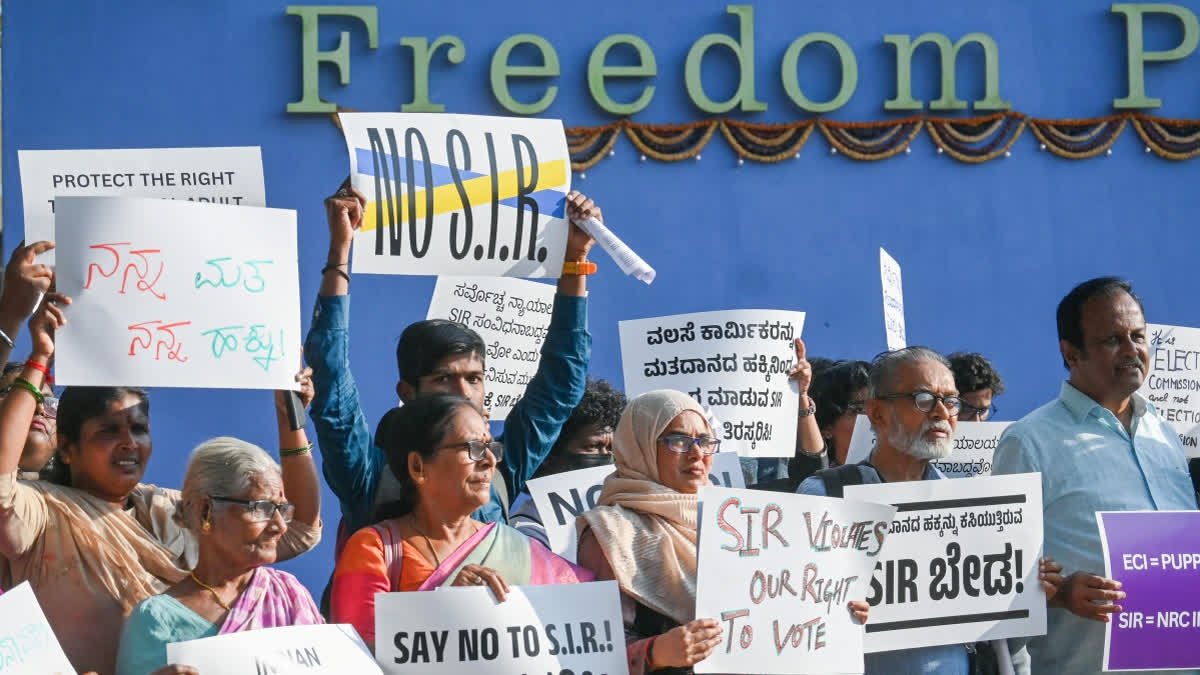
The voter roll revision has sparked political controversy in several regions. Opposition parties and civil society groups have raised concerns over alleged wrongful deletions and procedural transparency.
Political parties in Tamil Nadu and West Bengal have approached the Supreme Court of India, challenging the conduct and timing of the SIR. In West Bengal, the exercise has triggered protests led by groups including the Jamiat Ulama-i-Hind, which have alleged that marginalized communities were disproportionately affected.
Schedule Changes and Scrutiny
Election officials acknowledged that the SIR schedule in several states and Union territories was revised multiple times due to logistical issues, political feedback, and administrative constraints. The exercise has kept the Election Commission under intense public and judicial scrutiny.
Despite the criticism, election authorities maintain that the revision is essential to ensure accurate, credible, and fraud-free elections, emphasizing that voters have access to grievance redressal mechanisms to seek corrections or re-enrollment.
Looking Ahead
With general and state elections approaching in several parts of the country, the outcome of the ongoing SIR is expected to play a significant role in shaping India’s electoral landscape. The Election Commission has reiterated its commitment to fairness, transparency, and inclusiveness as the nationwide revision continues.