

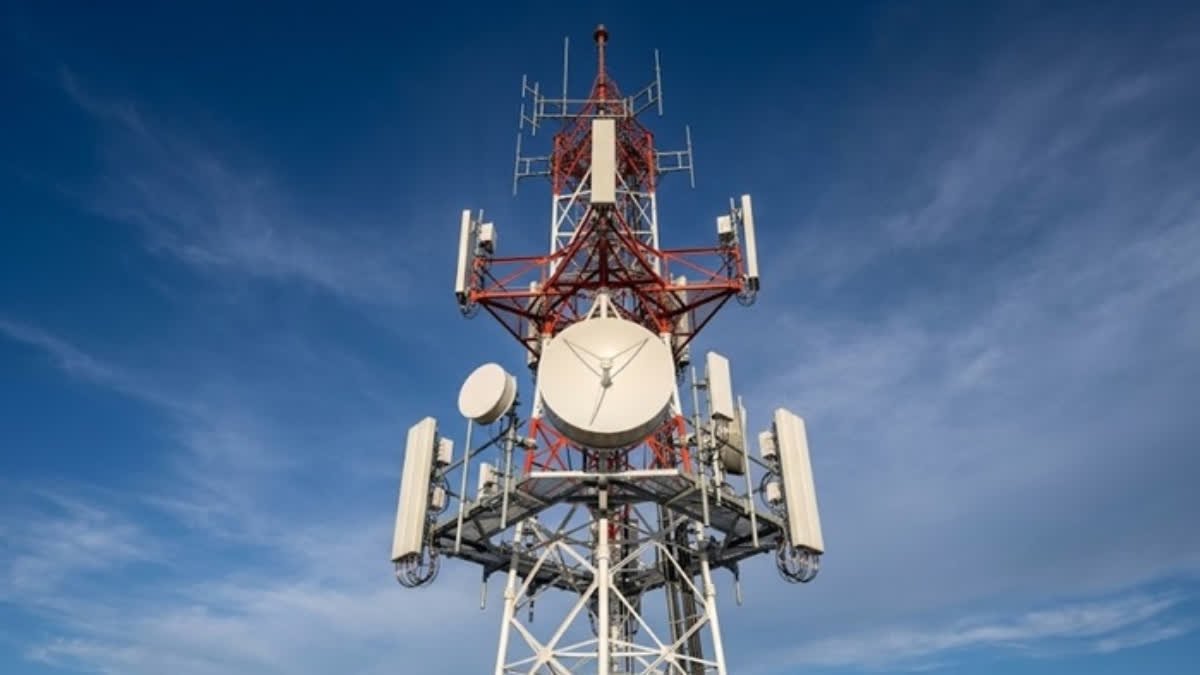

New Delhi : The Telecom Regulatory Authority of India (TRAI) on Tuesday released “The Telecommunication Interconnection (Third Amendment) Regulations, 2026.” The new rules will come into force from January 1, 2027, and aim to modernise India’s telecom infrastructure, improve call quality, reduce latency, and make network interconnection more efficient.
What is Interconnection?
Interconnection is the technical, operational and commercial arrangement that allows different telecom networks to connect with each other. It enables a customer of one operator (for example, Jio) to call or exchange traffic with a customer of another operator (Airtel, Vi or BSNL). Without proper interconnection, seamless communication across networks would not be possible.
Key Changes Introduced
1. Mandatory Shift to IP-based Interconnection
- All new Points of Interconnection (POIs) established after January 1, 2027 must be IP-based.
- Existing POIs working on older E1/TDM (Time Division Multiplexing) technology must be migrated to IP-based interconnection within three years in a phased manner.
- IP-based interconnection uses Internet Protocol technology to transfer voice and data traffic between networks. This is expected to improve bandwidth efficiency, call quality and overall network performance.
2. Migration to Licensed Service Area (LSA) Level
- Currently, interconnection largely takes place at Long Distance Charging Area (LDCA) and Short Distance Charging Area (SDCA) levels.
- Under the new rules, traffic will gradually shift to Licensed Service Area (LSA)-level Points of Interconnection.
- Existing traffic (measured in Minutes of Usage) at LDCA/SDCA-level POIs must be migrated to LSA-level POIs within three years in a phased manner.
- After the transition, all traffic will be handed over or taken over at the LSA level.
- This change is expected to simplify call routing, improve management of numbering resources, reduce latency and enhance service reliability.
3. New Framework for Surrendering Points of Interconnection
- Operators can now voluntarily surrender a Point of Interconnection when it is no longer required (for example, due to reduced traffic, withdrawal of services from an area, or re-routing of traffic).
- Earlier rules mainly covered disconnection of POIs, usually in cases of disputes. The new provision gives operators greater flexibility to optimise their network infrastructure and reduce unnecessary costs.
4. Changes in Financial Provisions
- Validity of bank guarantees (after reassessment) and the reassessment interval have been extended from 6 months to 12 months.
- Methodology for calculating the maximum bank guarantee required for interconnection points has also been revised.
- For delayed payment of interconnection charges, operators will mutually decide the interest rate. However, the interest cannot exceed the State Bank of India’s one-year Marginal Cost of Funds-based Lending Rate (MCLR) plus 2 percentage points.
5. Reporting Requirements and Penalties
- TRAI has prescribed clear reporting obligations to ensure compliance.
- A graded system of financial disincentives (penalties) has been introduced for violations.
- For delays in providing interconnection or related obligations: up to ₹1 lakh per day for the first 15 days and ₹2 lakh per day thereafter, capped at ₹1 crore per service area per instance.
- For reporting-related violations: lower penalties with a ceiling of ₹25 lakh per service area.
What Does This Mean for Consumers?
The primary goal of these changes is to strengthen the underlying telecom infrastructure rather than launch any new consumer-facing service. By moving to modern IP-based interconnection and simpler LSA-level arrangements, users can expect:
- Better call quality
- Lower latency
- More reliable connections
- Improved handling of growing voice and data traffic
The actual benefits will depend on how effectively telecom operators implement the new framework.
Official Statement
TRAI said the amendments modernise the existing interconnection regulatory framework to align with contemporary network architectures. The changes form part of the regulator’s broader efforts to keep India’s telecom infrastructure up to date with technological advancements and rising demand for reliable communication services.
The full regulations are available on the TRAI website.