
States and Union Territories have agreed to drive a 15-fold expansion in India’s energy storage capacity to ensure reliable and affordable round-the-clock electricity supply, reduce dependence on expensive short-term power purchases and accelerate the integration of renewable energy into the national grid.
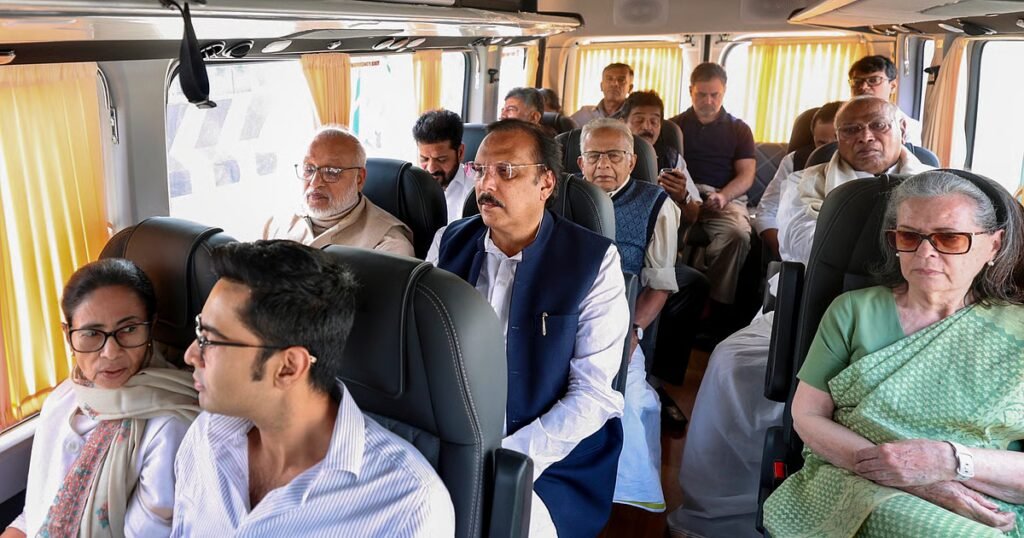
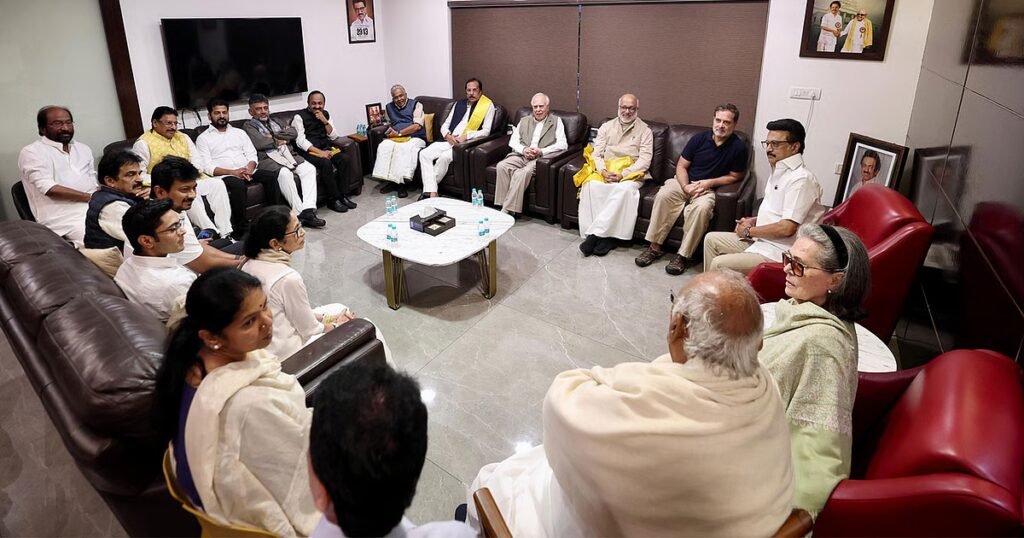
The decision was taken at the two-day Power Ministers’ Conference, held in New Delhi on November 27 and 28, under the chairmanship of Union Power Minister Manohar Lal.
The conference brought together representatives from 28 states, eight Union Territories and electricity regulatory bodies to deliberate on power sector reforms, infrastructure expansion, energy security and the financial sustainability of electricity distribution companies.
𝗕𝗮𝘁𝘁𝗲𝗿𝘆, 𝗽𝘂𝗺𝗽𝗲𝗱 𝘀𝘁𝗼𝗿𝗮𝗴𝗲 𝘁𝗼 𝗱𝗿𝗶𝘃𝗲 𝗲𝘅𝗽𝗮𝗻𝘀𝗶𝗼𝗻
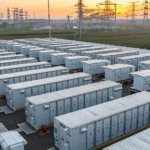
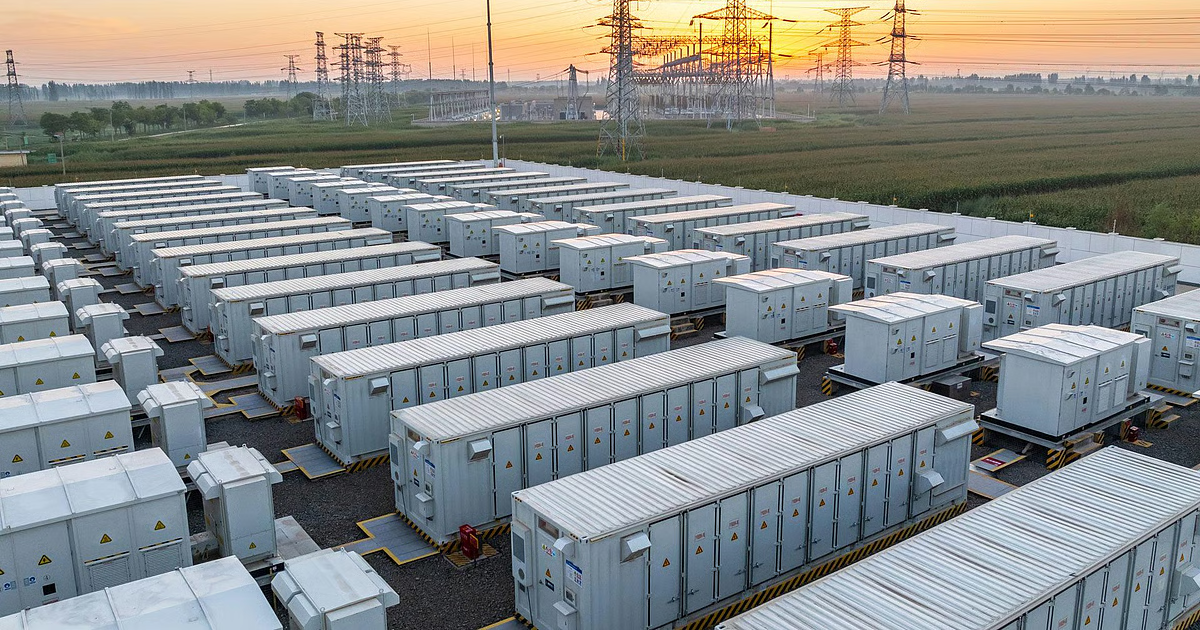
The Ministry of Power has urged states to accelerate the deployment of battery energy storage systems (BESS) and pumped hydro storage projects to address the intermittency of renewable energy generation.
The expansion will be supported by investments from state governments and upcoming storage capacity plans of 40 gigawatt-hours (GWh) each by NTPC and the Solar Energy Corporation of India (SECI).
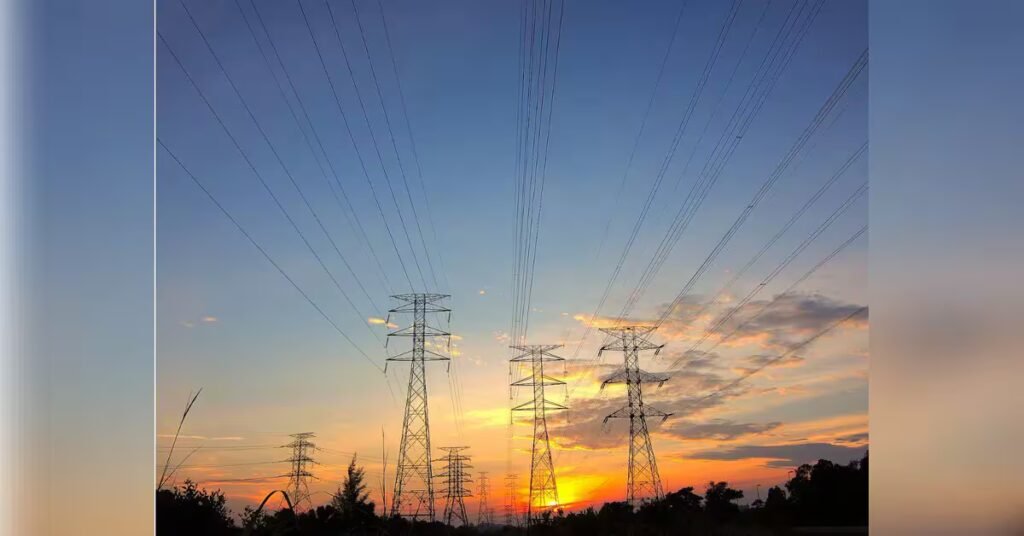
Energy storage infrastructure allows electricity generated during periods of surplus production to be supplied during peak demand hours or when renewable generation declines.
States have also agreed to closely monitor storage projects, from identifying suitable locations to procuring equipment, to minimise implementation delays.
Earlier this month, the Union Cabinet approved a Rs 14,500 crore viability gap funding scheme to support the development of 92 GWh of grid-scale energy storage capacity.
The scheme envisages 60 GWh of pumped hydro storage, 30 GWh of battery storage and 2 GWh through emerging storage technologies, with an estimated investment potential of Rs 97,600 crore.
𝗣𝗼𝘄𝗲𝗿 𝗴𝗲𝗻𝗲𝗿𝗮𝘁𝗶𝗼𝗻 𝗰𝗮𝗽𝗮𝗰𝗶𝘁𝘆 𝘁𝗼 𝗿𝗲𝗮𝗰𝗵 𝟭,𝟮𝟵𝟳 𝗚𝗪
India’s installed electricity generation capacity currently stands at 563 GW, with non-fossil fuel sources accounting for more than 55 per cent.
The country added 60 GW of generation capacity during the preceding year, of which 87 per cent came from non-fossil sources.
The long-term roadmap envisages increasing installed generation capacity to 1,297 GW by 2035-36, more than twice the existing capacity.
The conference also highlighted an estimated investment opportunity of Rs 200 lakh crore across the country’s power sector over the next two decades.
Meanwhile, the Centre has urged states to enter into power purchase agreements for 41 GW of renewable energy capacity that is currently awaiting buyers.
𝗦𝘁𝗮𝘁𝗲𝘀 𝘁𝗼 𝗿𝗲𝘃𝗶𝘀𝗲 𝗽𝗼𝘄𝗲𝗿 𝗽𝗿𝗼𝗰𝘂𝗿𝗲𝗺𝗲𝗻𝘁 𝗽𝗹𝗮𝗻𝘀
States have agreed to submit revised Resource Adequacy Plans covering the period up to FY30 within one month.
The plans will incorporate realistic electricity demand projections, generation requirements and confirmed transmission connectivity.
Progress on additional generation capacity and power procurement arrangements will be monitored quarterly.
States will also prepare transmission infrastructure roadmaps, specifying targets for new transmission lines and substations, while adopting tariff-based competitive bidding for intra-state transmission projects.
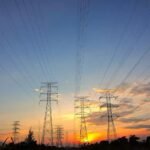
The measures are intended to ensure that transmission infrastructure keeps pace with the rapid expansion of electricity generation capacity.
𝗦𝗺𝗮𝗿𝘁 𝗺𝗲𝘁𝗲𝗿𝗶𝗻𝗴 𝗮𝗻𝗱 𝗗𝗜𝗦𝗖𝗢𝗠 𝗿𝗲𝗳𝗼𝗿𝗺𝘀
To improve the financial health of electricity distribution companies (DISCOMs), states have committed to clearing outstanding government electricity dues within three months.
Government electricity connections will be shifted to prepaid smart meters operated through advance recharges to prevent the accumulation of arrears.
States with slower smart meter deployment have been urged to accelerate installations, particularly across government establishments, commercial facilities and industrial consumers.
Distribution companies will also install check meters to investigate complaints regarding excessive electricity bills and strengthen senior-level monitoring of unresolved consumer grievances.
The conference further emphasised the importance of cost-reflective electricity tariffs, timely regulatory decisions and greater consultation between utilities and regulators to minimise financial losses and avoid unnecessary litigation.
𝟭𝟬𝟬 𝗚𝗪 𝗻𝘂𝗰𝗹𝗲𝗮𝗿 𝗽𝗼𝘄𝗲𝗿 𝘁𝗮𝗿𝗴𝗲𝘁 𝗯𝘆 𝟮𝟬𝟰𝟳
States have also committed to identifying suitable locations for nuclear power projects, including sites of retired thermal power plants, and ensuring the availability of land and water.
The initiative forms part of the Centre’s long-term vision of achieving 100 GW of nuclear power generation capacity by 2047.
Separately, states will accelerate agricultural feeder solarisation and feeder segregation to bring down electricity procurement costs and reduce subsidy burdens.
𝗨𝗻𝗶𝘃𝗲𝗿𝘀𝗮𝗹 𝗲𝗹𝗲𝗰𝘁𝗿𝗶𝗳𝗶𝗰𝗮𝘁𝗶𝗼𝗻 𝗯𝘆 𝗠𝗮𝗿𝗰𝗵 𝟮𝟬𝟮𝟳
Union Power Minister Manohar Lal said around 14.5 lakh households had been identified for electrification, of which approximately 6.25 lakh had already been covered, including through off-grid solutions.
The remaining households are expected to receive electricity connections by March 2027, except for some located in remote and mountainous regions.
The conference concluded with a commitment from the Centre and states to strengthen India’s power infrastructure, accelerate clean energy deployment and ensure reliable electricity access while improving the financial viability of distribution utilities.