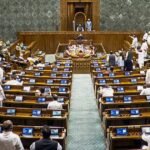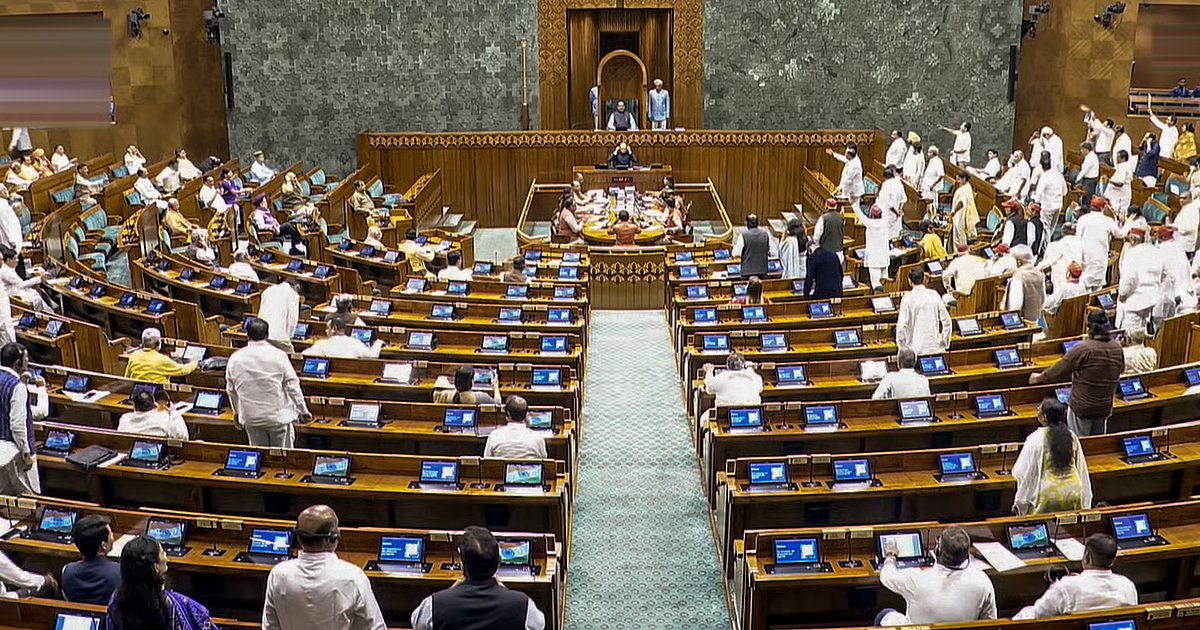

he Aam Aadmi Party (AAP) on Sunday announced its opposition to the Centre’s proposed delimitation legislation and issued a three-line whip directing all its Lok Sabha MPs to remain present in the House from November 30 to December 4.
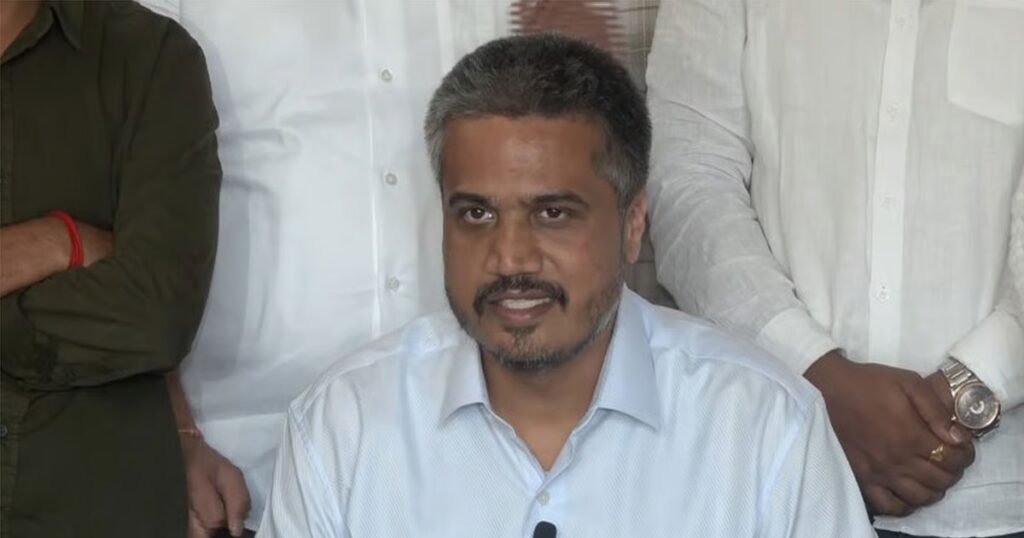
AAP’s Lok Sabha chief whip and Hoshiarpur MP Raj Kumar Chabbewal issued the directive, making attendance mandatory for party lawmakers during the upcoming parliamentary proceedings.
The party, which has three MPs each in the Lok Sabha and Rajya Sabha, has also issued a separate whip directing its Upper House members to remain present from December 2 to 4.
𝗔𝗔𝗣 𝗾𝘂𝗲𝘀𝘁𝗶𝗼𝗻𝘀 𝗖𝗲𝗻𝘁𝗿𝗲’𝘀 𝘂𝗿𝗴𝗲𝗻𝗰𝘆
Chabbewal questioned the Centre’s decision to pursue delimitation before the completion of the upcoming Census, alleging that electoral considerations were driving the timing of the legislation.
He accused the BJP of attempting to attract women voters by linking the proposed restructuring of parliamentary constituencies with women’s reservation.
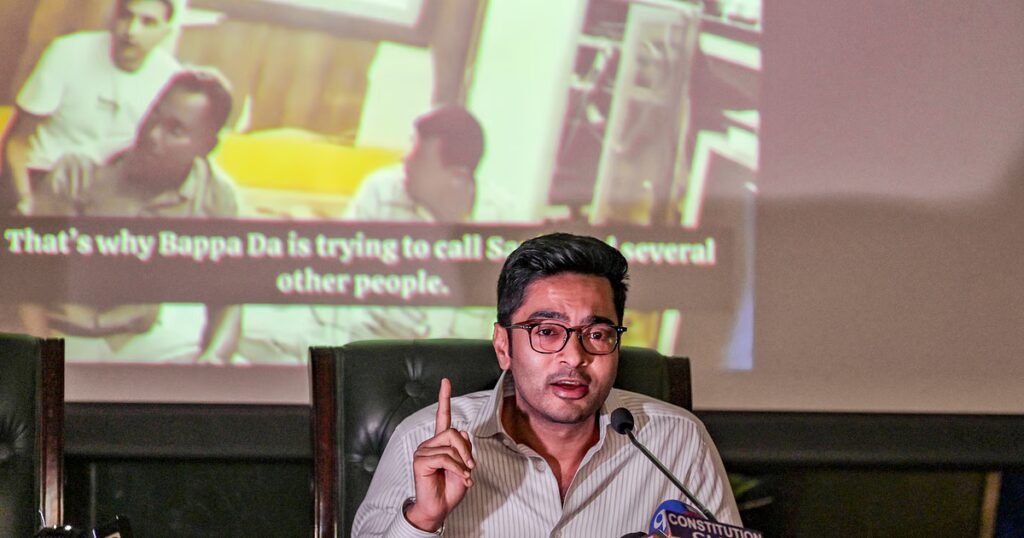
Meanwhile, AAP Rajya Sabha MP Sanjay Singh questioned the government’s priorities, arguing that expanding parliamentary representation should not take precedence over addressing deficiencies in education, healthcare and public transport.
Singh claimed that India faced a shortage of 11 lakh teachers, while approximately 1.2 lakh government schools operated with only one teacher each.
He further claimed that nearly 98,000 government schools lacked toilets for girls and around 1.19 lakh schools did not have electricity.
The AAP leader also highlighted inadequate healthcare facilities and overcrowded railway services, particularly for passengers travelling from Uttar Pradesh and Bihar.
𝗗𝗶𝗳𝗳𝗲𝗿𝗲𝗻𝗰𝗲𝘀 𝘄𝗶𝘁𝗵𝗶𝗻 𝗜𝗡𝗗𝗜𝗔 𝗯𝗹𝗼𝗰
Chabbewal also criticised the Congress over its decision to abandon its traditional alliance with the DMK and extend support to the TVK in Tamil Nadu.
He suggested that the Congress’s decision could have contributed to the DMK’s divergent position on delimitation.
However, he expressed uncertainty over the final positions that the DMK and NCP (SP) would adopt during parliamentary voting.
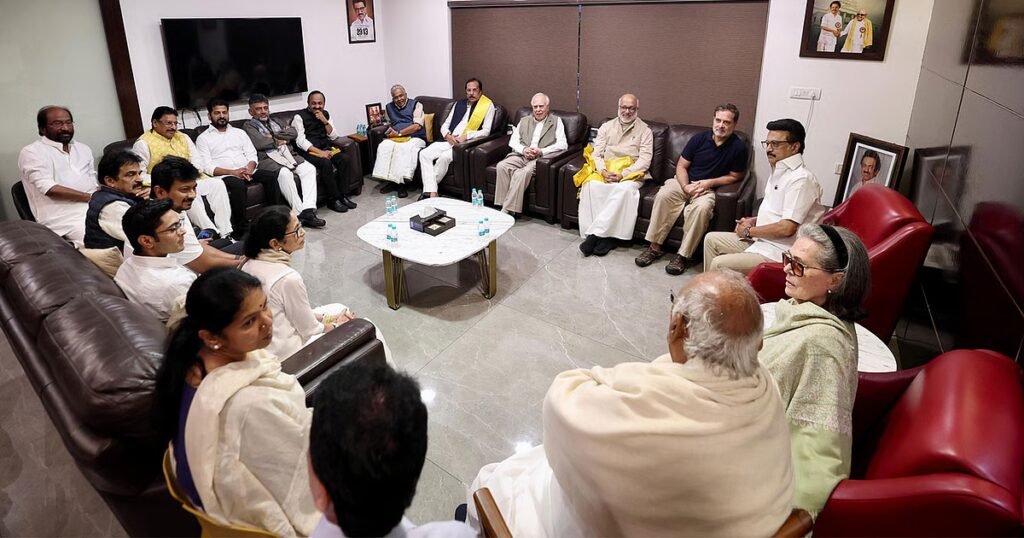
The Congress and Samajwadi Party have also issued three-line whips to their Lok Sabha members ahead of the special sitting, while the Janata Dal (United) has directed its MPs to support the government’s position.
𝗖𝗲𝗻𝘁𝗿𝗲’𝘀 𝘀𝗲𝗰𝗼𝗻𝗱 𝗮𝘁𝘁𝗲𝗺𝗽𝘁 𝘁𝗼 𝗽𝗮𝘀𝘀 𝗕𝗶𝗹𝗹
The government is scheduled to introduce three interconnected legislative proposals — the Constitution (132nd Amendment) Bill, 2026, the Delimitation (Second) Bill, 2026, and the Union Territories Laws (Amendment) Second Bill, 2026.
The proposed legislative framework envisages a 50 per cent expansion in parliamentary representation, an increase in the maximum strength of the Lok Sabha to 850 members and a freeze on the inter-state distribution of seats until 2051.
It also seeks to facilitate the implementation of 33 per cent reservation for women in the Lok Sabha and state legislative assemblies ahead of the 2029 general elections.
The Centre’s earlier attempt to pass the Constitution (131st Amendment) Bill failed in April after the legislation secured 298 votes in favour and 230 against, falling short of the constitutionally mandated special majority.
A constitutional amendment requires the support of a majority of the total membership of each House and at least two-thirds of members present and voting.