


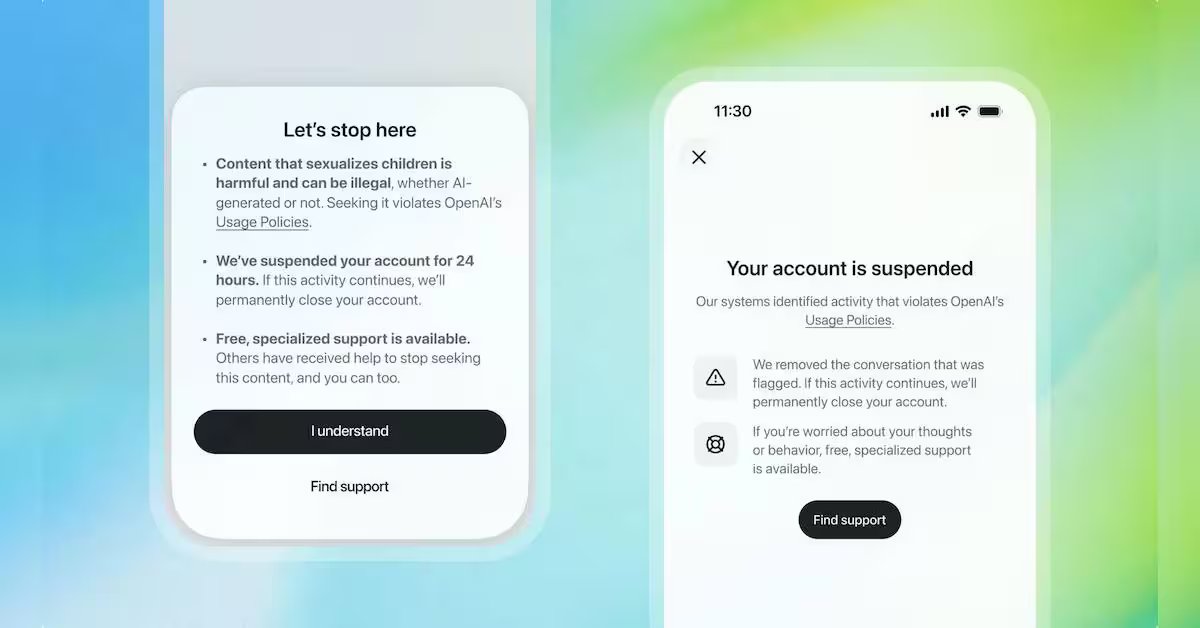

The move comes amid growing concerns over the misuse of generative AI to create child sexual abuse material.
AI image classifier
According to the company, the new image classifier is designed to identify potential CSAM by examining visual characteristics rather than relying only on matching images against databases of previously identified abusive material. This is intended to help safety teams detect new or modified images, including those generated using AI, which may not have an existing digital fingerprint.
The classifier produces risk scores that help reviewers prioritise images for further examination. OpenAI said this is the first broadly available CSAM classifier with a specific signal to indicate whether material may have been generated using AI. The tool was developed with assistance from the National Center for Missing and Exploited Children (NCMEC) in the US, which operates the CyberTipline, a central reporting platform for online child exploitation.
ChatGPT to introduce warnings and temporary restrictions
Alongside the image classifier, OpenAI is introducing interventions within ChatGPT to discourage attempts to access or generate abusive material involving children. The company already prohibits CSAM-related requests and uses safeguards to prevent its models from responding to such prompts. The new measures add warnings that explain the harm caused by sexualising children, including when the material is AI-generated.
When such behaviour is flagged, ChatGPT will remove the conversation and temporarily pause the user’s access to the service for 24 hours. The warning will also direct users towards specialist support services that can help them address harmful behaviour.
OpenAI said repeated violations could result in longer access restrictions, account closure and reports to law enforcement authorities.
New guidance for developers building AI platforms
According to the company, the guidance was developed with inputs from the Tech Coalition, Thorn, NCMEC and the Internet Watch Foundation.
AI tools for child-safety investigators
Another part of the announcement focuses on supporting law enforcement agencies investigating online child exploitation. OpenAI is providing specialist child-safety units in the US with AI tools and training to help them organise information and examine large volumes of investigative material.
The first tool will help investigators review lengthy chat logs and legal process records, identify possible connections between individuals or cases, and prepare timelines with findings linked to their original sources. The company said the tools will be available subject to agency authorisation and programme requirements.
Partnerships with child-safety organisations
OpenAI said it is also working with organisations across the technology and child-protection sectors to improve the detection and reporting of online abuse. It has joined the Tech Coalition’s Lantern programme, which allows participating companies to share signals related to online child sexual exploitation and abuse.
The company is also working with NCMEC, Thorn and other organisations to make detection tools and reporting resources more accessible. OpenAI said tackling online child exploitation requires coordination between technology platforms, child-protection groups, developers and law enforcement rather than relying on individual companies to address the problem.