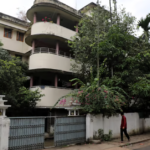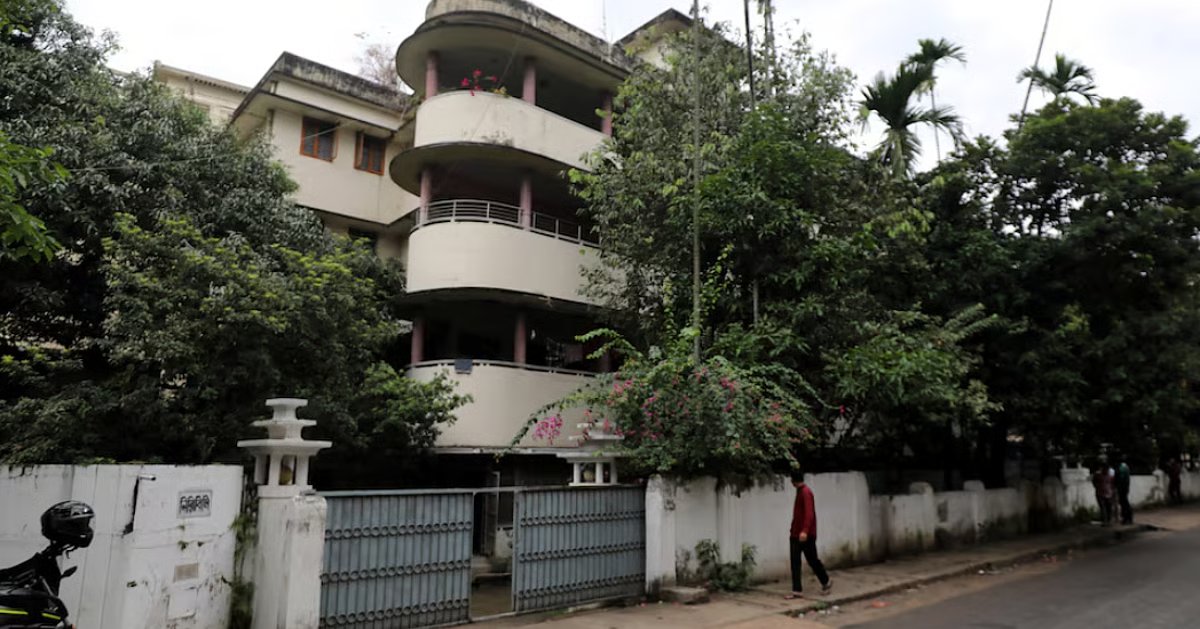

Bangladesh witnessed fresh incidents of violence and arson on Thursday as tensions escalated over former Prime Minister Sheikh Hasina’s proposed return from India and a nationwide ‘lockdown’ called by her Awami League party. The ancestral home of Nobel laureate and former interim government chief Muhammad Yunus in Chattogram was targeted in a suspected arson attack late on Wednesday, prompting authorities to strengthen security around the property.
The fire broke out at around 11.30 pm in an abandoned room on the ground floor of the house in the Panchlaish area of Chattogram. Police personnel, who were conducting routine patrols in the neighbourhood, spotted the flames and rushed to the premises. They subsequently managed to extinguish the fire.
Mozammel Haque, officer-in-charge of Panchlaish police station, said an investigation had been initiated to identify those responsible for the incident. He clarified that nobody lived on the ground floor, which had remained unused, while the families of Yunus’s two brothers occupied the second and third floors. Security arrangements around the house have since been tightened.
According to Bangladeshi newspaper Prothom Alo, Yunus’s ancestral village is Bathua in Hathazari upazila of Chattogram. His father was a businessman, and the family subsequently built the Panchlaish property in connection with his business. Yunus reportedly spent his childhood and adolescence in the house.
The attack comes amid a wider wave of arson targeting institutions associated with the former interim government chief. Two branches of Grameen Bank in Chattogram’s Anwara and Satkania areas were set ablaze a few days earlier. Other offices of the bank have also faced attacks in different parts of Bangladesh.
According to Reuters, at least 37 branches and offices of Grameen Bank had been targeted in arson attacks or attempted arson since November 10. The bank, founded by Yunus, also reported that 14 additional branches had been attacked since midnight on Tuesday.
Yunus headed Bangladesh’s interim government after Hasina was ousted following the student-led uprising in August 2024. He remained in the position until February 2026, when the country transitioned to an elected government led by Bangladesh Nationalist Party (BNP) leader Tarique Rahman.
Security tightened as Awami League calls nationwide lockdown
The latest incidents unfolded as the Awami League called for a nationwide lockdown on Thursday, November 19, as part of its campaign against the government’s refusal to facilitate Hasina’s return to Bangladesh.
The lockdown call coincided with the anniversary of a special tribunal verdict that sentenced Hasina to death in absentia last year. She was convicted over charges of crimes against humanity linked to the deadly crackdown on protesters during the 2024 student uprising.
Authorities deployed 97 platoons of the paramilitary Border Guard Bangladesh (BGB) across seven districts to prevent further violence. The deployment included Gopalganj, Hasina’s birthplace and a stronghold of her supporters, as well as Faridpur.
Security was also significantly stepped up in Dhaka, where police established additional checkpoints and conducted a major crackdown ahead of the Awami League’s protest programme. More than 500 people were reportedly arrested in the capital during a 24-hour operation, according to reports.
The unrest has extended well beyond Chattogram. Police have recorded several crude bomb explosions, arson incidents and attacks on vehicles across at least 28 districts over a period of 10 days. Several police personnel and civilians have sustained injuries in the violence.
On Tuesday, an activist associated with the ruling BNP was allegedly killed by unidentified individuals during a protest near Hasina’s residence in Gopalganj, Reuters reported, citing police. Two members of the ruling party were also reported killed amid the latest wave of violence.
A crude bomb exploded outside the Dhaka residence of Cultural Affairs Minister Nitai Roy Chowdhury and the house of a BNP lawmaker on the same night. Several shops belonging to BNP supporters were also set on fire.
In another development, authorities detained former education minister Nurul Islam Nahid at his residence in Dhaka. He faces charges relating to several killings during the 2024 protests.
Prime Minister Tarique Rahman had appealed to democratic forces on Wednesday night to unite against what he described as an attempt by the Awami League to make a political comeback. Calling the party a ‘terrorist outfit’, he characterised it as a ‘fallen, defeated and ousted fascist force’ and urged political groups to prevent its resurgence.
Home Minister Salahuddin Ahmed had also accused Awami League leaders living abroad of inciting violence and attempting to destabilise the country by targeting public and private property. He said those responsible for the attacks would be identified and prosecuted.
UN calls for investigation into violence
The growing incidents of arson and political violence in Bangladesh have also drawn international attention.
The issue was raised during a briefing at the United Nations headquarters last Monday. Farhan Haq, deputy spokesperson for UN Secretary-General, said all acts of violence should be thoroughly investigated by the country’s national authorities.
He also stressed that people had the right to demonstrate peacefully, while making it clear that protests and political agitations must remain non-violent.
The latest attacks have raised concerns over the deteriorating security situation, particularly as the Awami League’s nationwide lockdown call has coincided with a series of bombings, arson incidents and clashes.
Hasina’s proposed December return triggers fresh tensions
The immediate trigger for the latest unrest was Hasina’s declaration earlier this month that she intended to return to Bangladesh in December ‘at any cost’.
Hasina has been living in exile in India since fleeing Dhaka in August 2024, following widespread student-led protests that forced her to leave office. She has reportedly sought a new passport and identity card to facilitate her return.
However, the Tarique Rahman-led government has so far rejected her request. The decision has angered Awami League members and supporters, who have taken to the streets to protest against the government’s position.
The party had announced a week-long programme of protests and rallies to mobilise support for Hasina’s return, culminating in Thursday’s nationwide lockdown.
The political tensions had already escalated earlier this month, with police and protesters clashing in several areas. In Tungipara, hundreds of people reportedly surrounded a police station, forcing personnel to vacate the premises. Nearly 30 suspected activists had been detained there earlier.
The situation further deteriorated as reports emerged of crude bomb attacks, vehicles being set on fire and clashes between political groups. The authorities have since intensified security operations across the country, particularly in areas considered strongholds of the former prime minister’s supporters.
With Hasina continuing to remain in India and the government refusing to facilitate her return, Bangladesh faces mounting political uncertainty, with Thursday’s lockdown adding to concerns over further violence.