

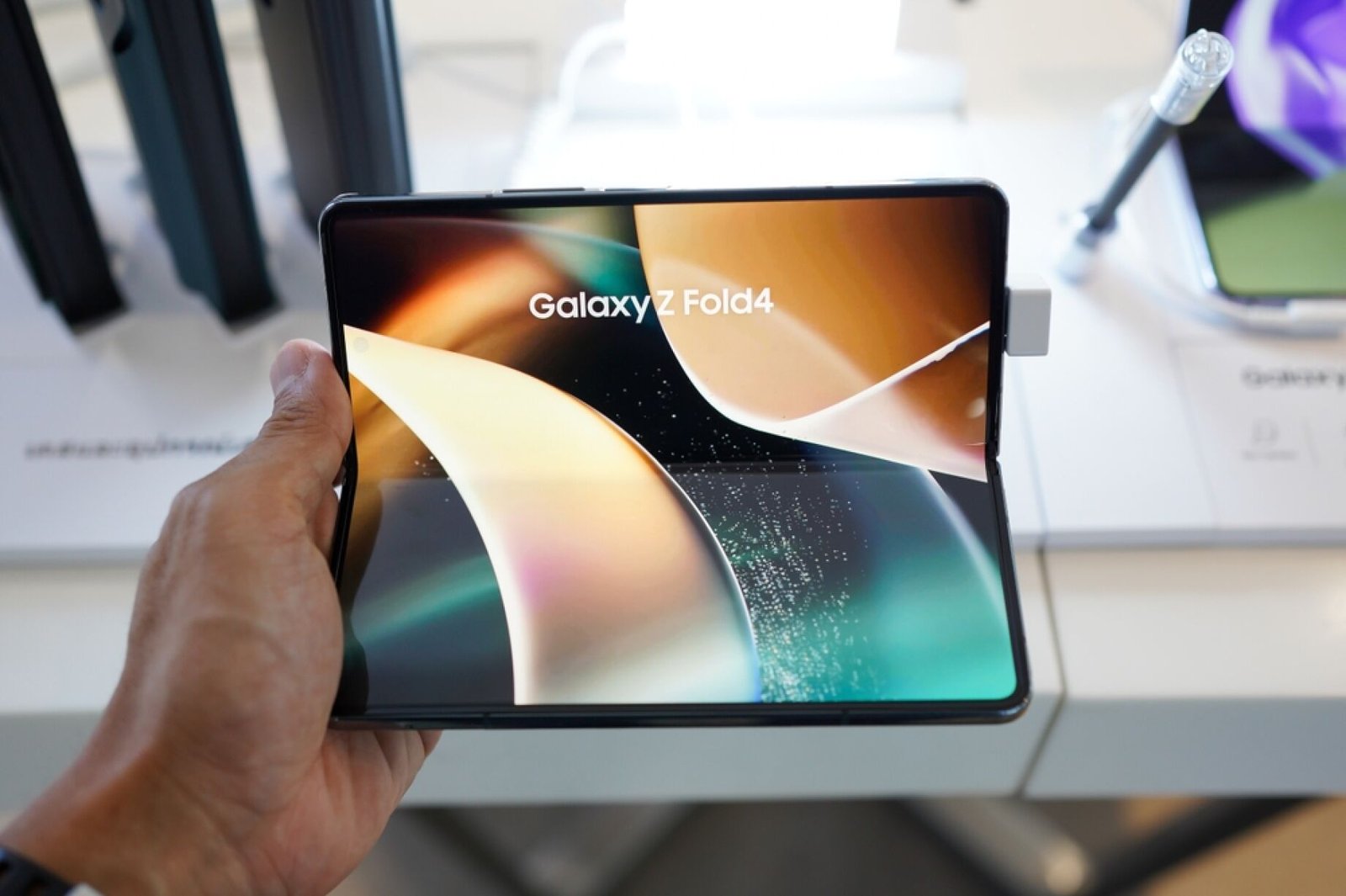
The global technology industry is facing a serious and unprecedented memory shortage, and its impact is now being felt across nearly every sector of consumer and enterprise electronics. Samsung’s Co-CEO TM Roh has issued a strong warning, stating that “no company is immune” to the ongoing crisis, which is disrupting supply chains, increasing prices, and reshaping long-term strategies for major tech players worldwide.
What Is Causing the Memory Shortage?
The shortage is largely driven by the explosive growth of artificial intelligence (AI). Memory manufacturers are increasingly prioritizing high-bandwidth memory (HBM) and advanced DRAM solutions required for AI data centers, machine learning workloads, and generative AI systems. As a result, traditional memory production—especially PC and consumer-grade RAM—has taken a back seat.
For example, companies like Micron have reportedly reduced or ended certain RAM lines aimed at PC users, redirecting resources toward AI-focused memory products. This shift has tightened supply in the consumer market, pushing prices sharply upward.
Prices Skyrocket, Industry Feels the Pressure
The effects of this shortage are already visible. Some RAM kits have reportedly become more expensive than top-tier GPUs, an unusual situation that highlights the severity of the supply crunch. Rising memory costs are impacting not just hardware manufacturers but also software developers and game studios.
Studios such as Larian, known for its Divinity series, are being forced to rethink optimization strategies much earlier in development. Limited access to affordable memory means developers must plan more carefully to ensure their games run well on constrained hardware.
Samsung: “No Sector Is Safe”
In comments reported by Reuters, Samsung Co-CEO TM Roh emphasized that the situation is unlike anything the industry has seen before. According to him, the memory shortage affects smartphones, TVs, home appliances, and other consumer electronics, not just PCs or servers.
Higher memory prices inevitably translate into higher product costs for consumers. However, Roh stated that Samsung is actively working with its global partners on long-term solutions to reduce the impact, improve supply stability, and better align production with future demand.
Samsung’s AI Push Continues Despite Challenges
Despite the crisis, Samsung is not slowing down its AI expansion. The company has already rolled out Gemini-powered AI features to around 400 million mobile devices globally. These features enhance smartphones with AI-driven capabilities such as smarter photo editing, improved productivity tools, and contextual assistance.
Looking ahead, Samsung has set an ambitious goal: by 2026, it aims to bring AI functionality to 800 million mobile devices, effectively doubling its current reach. This highlights how central AI has become to Samsung’s long-term vision, even amid supply constraints.
New Opportunities for Competitors
While the shortage poses serious challenges, it may also create new opportunities in the memory market. Increased demand and higher prices could encourage more companies to enter memory manufacturing. For instance, ASUS is reportedly preparing to launch its own DRAM manufacturing initiative, which could help diversify supply and reduce reliance on a small group of dominant memory producers.
Industry analysts believe that if more companies invest in memory production, competition could eventually help stabilize prices and ease shortages over time.
A Defining Tech Challenge of the Year
The global memory shortage is shaping up to be one of the most critical technology challenges of the year. From smartphones and gaming to AI and cloud computing, its impact is widespread and long-lasting. As AI adoption continues to accelerate, how companies respond to this crisis will play a major role in determining the future of innovation, pricing, and accessibility across the tech industry.