

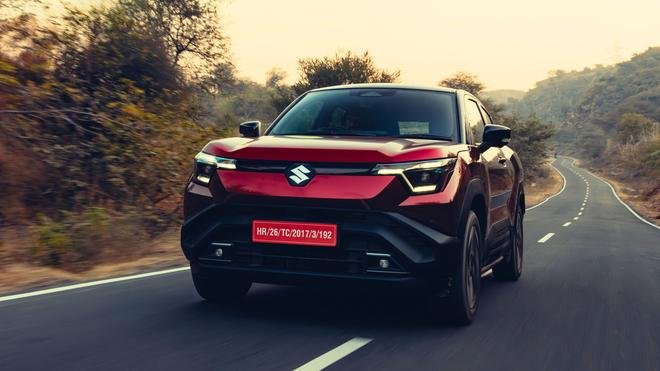
By 2026, India’s automobile industry is set to enter a phase of consolidation marked by smarter technologies, changing consumer priorities, and more accessible mobility solutions. From affordable electrification to the reinvention of entry-level cars, the road ahead looks significantly different from where the market began its transition.
Here are five key auto trends in 2026 that are expected to reshape the Indian car market:
1. Affordable Electric Cars Go Mainstream
Electric vehicles (EVs) will no longer be niche or premium-only offerings. In 2026, several automakers are expected to launch mass-market EVs priced competitively with petrol and diesel cars. Improved battery localization, government incentives, and lower production costs will make electric mobility a realistic option for middle-class buyers, especially in urban and semi-urban areas.
2. Entry-Level Cars Get Redefined
The traditional small, budget hatchback is evolving. Rising safety norms and customer expectations are pushing manufacturers to rework entry-level models with better build quality, essential tech features, and improved safety. As a result, buyers will see fewer ultra-cheap cars and more value-focused, well-equipped compact vehicles.
3. Hybrid Technology Gains Strong Momentum
With EV infrastructure still developing across India, strong and mild hybrid vehicles are emerging as a practical bridge solution. In 2026, hybrids are expected to gain wider acceptance due to their fuel efficiency, lower emissions, and reduced dependence on charging networks—especially for long-distance and highway users.
4. Software and Connectivity Take Centre Stage
Cars are increasingly becoming software-driven products. By 2026, connected car technologies such as over-the-air updates, advanced driver assistance systems (ADAS), voice-enabled controls, and AI-based infotainment will become common even in mid-range vehicles. Buyers will prioritize digital features as much as engine performance.
5. Market Consolidation and Fewer but Stronger Players
The Indian auto market is likely to see consolidation, with weaker brands struggling to keep pace with rising costs and technological demands. Established players with strong product portfolios, EV strategies, and service networks will dominate, leading to a more focused but competitive marketplace.
The Road Ahead As 2026 unfolds, the Indian car market will reflect a clear shift toward smarter, cleaner, and more value-driven mobility. While challenges remain, the focus on technology, sustainability, and consumer needs signals a mature phase for one of the world’s fastest-growing auto markets.
The journey has just begun—but the destination is already taking shape.