

In a new viral video shared on his X account, Elon Musk has reignited the global debate over automation by showcasing Tesla’s humanoid robot, Optimus, performing a wide range of tasks — from construction work to cooking in a professional kitchen, emergency-aid drills, judo sparring, casino dealing, police-patrol duty, and more.
The 38-second montage, originally created by a content creator and reposted by Musk, has already racked up more than 58.5 million views.
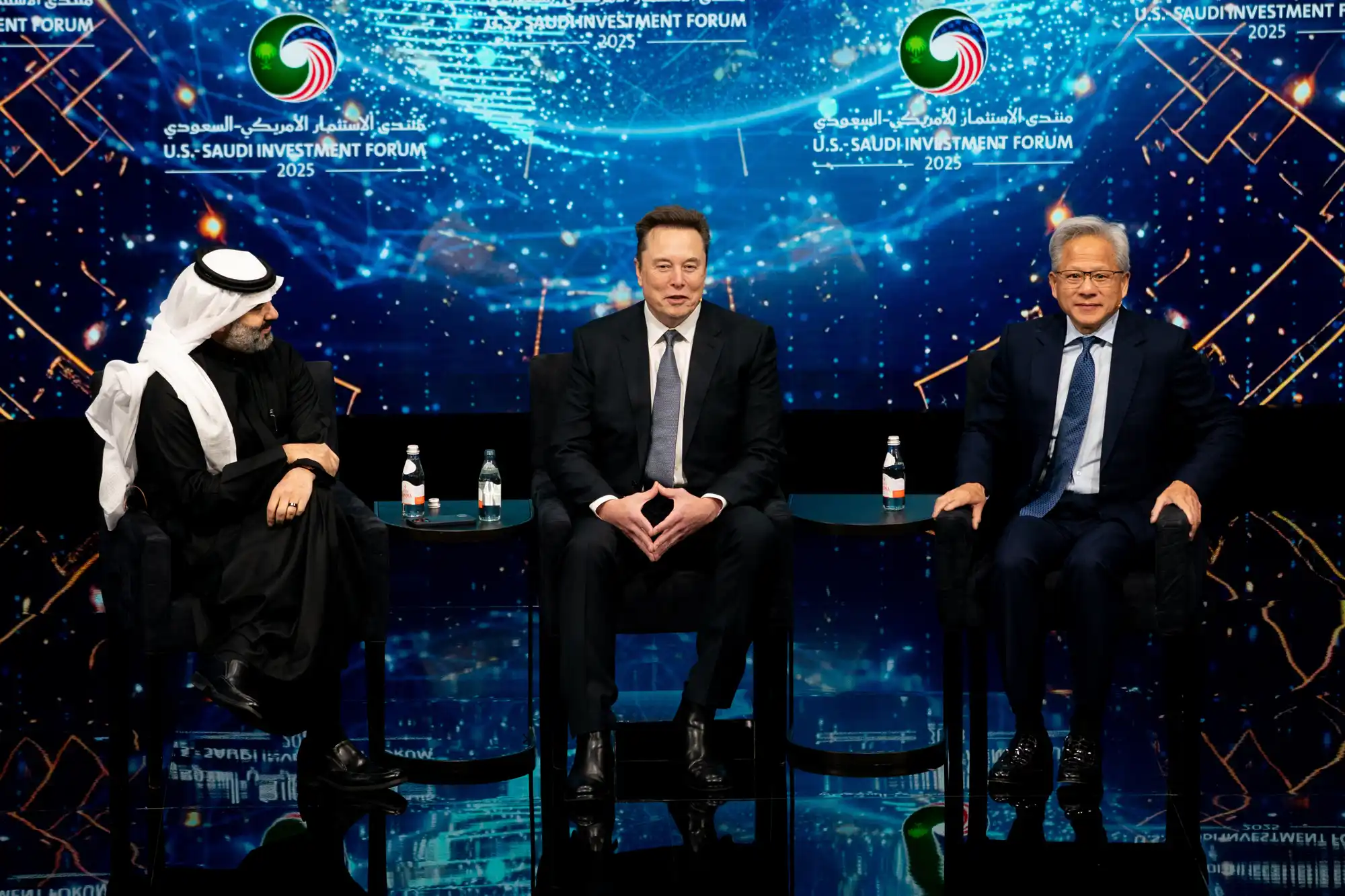
Musk shared this video around the same time he appeared at the US-Saudi Investment Forum, where he painted an ambitious vision of how humanoid robots like Optimus could overhaul human society over the next two decades — potentially making traditional work “optional.”
He went so far as to suggest that robotics and AI could eliminate poverty and transform economic structures, implying that in a future dominated by automation, robots might handle all “dangerous, repetitive or boring” tasks, while humans focus on creativity or leisure.
The video and the vision behind it have sparked a wave of reactions — ranging from excitement about a post-work utopia to anxiety over job displacement and ethical concerns. Critics have questioned how realistic such a future is, pointing out that many tasks demonstrated might still rely on teleoperation or staged scenarios rather than fully autonomous robotics.
What this means — and the key questions ahead
- A glimpse of possible future: The montage shows how humanoid robots could blend into everyday life — from factories and kitchens to security, entertainment, and emergency services. If realized, this could drastically reduce human involvement in manual and repetitive labor.
- Work “optional”? Musk’s idea that work might become voluntary — more like a hobby — raises fundamental questions about social structure, income distribution, and the meaning of work in a robot-driven economy.
- Economic & social disruption: While the promise is transformative, the transition could be disruptive. Mass automation could displace large segments of workforce, especially in manual or service jobs. Societies will need to reimagine education, social safety nets, and economic models.
- Technological and ethical uncertainty: Demonstrations, even impressive ones, don’t guarantee fully autonomous, reliable robots. Issues such as robot safety, data-training transparency, human-robot interaction, and job ethics remain unresolved.