

Washington / New York:
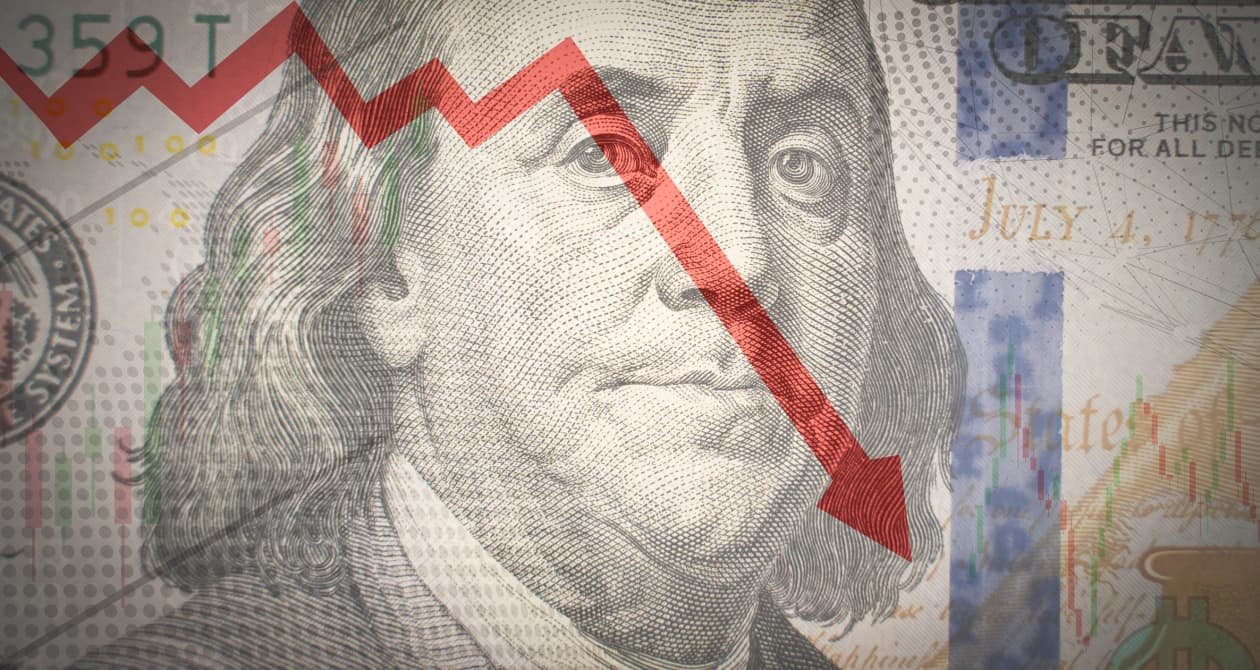
The U.S. dollar suffered its sharpest weekly decline in nearly eight months, even as U.S. stocks and Treasury bonds staged a modest recovery following President Donald Trump’s unexpected pivot on tariffs linked to Greenland-related trade discussions.
While investors found reasons to re-enter equities and government bonds after a volatile start to the week, the greenback failed to participate in the rebound, highlighting growing unease over U.S. trade policy, fiscal uncertainty, and shifting global capital flows.
Markets Recover, but Dollar Lags
U.S. equity markets rebounded from weekly lows after President Trump softened his stance on potential tariffs tied to strategic and economic interests around Greenland. The change in tone reduced immediate fears of an escalation in trade tensions, encouraging bargain-hunting in beaten-down stocks.
At the same time, U.S. Treasury prices recovered, with yields easing as investors recalibrated expectations around inflation, economic growth, and Federal Reserve policy.
However, the U.S. dollar told a different story.
The Dollar Index (DXY), which measures the greenback against a basket of major currencies, fell sharply over the week, marking its worst performance since mid-2025. The decline suggests that while investors were willing to take selective risk in stocks and bonds, confidence in the dollar as a safe-haven asset weakened.
Why the Dollar Fell
Analysts point to several factors behind the dollar’s underperformance:
1. Policy Uncertainty:
Trump’s sudden pivot on tariffs reinforced concerns among global investors about the unpredictability of U.S. trade policy. Even when markets react positively in the short term, frequent policy reversals tend to undermine long-term confidence in the currency.
2. Shifting Interest Rate Expectations:
Recent economic data has fueled speculation that the Federal Reserve may cut interest rates sooner than previously expected. Lower rates reduce the yield advantage of dollar-denominated assets, making the currency less attractive to global investors.
3. Rising Fiscal Concerns:
Mounting U.S. government debt and ongoing budget debates have also weighed on the dollar. Investors are increasingly questioning how expanding deficits could impact the long-term stability of the U.S. economy.
4. Global Diversification:
Central banks and institutional investors have been gradually diversifying away from the dollar into other currencies and gold, a trend that has gained momentum amid geopolitical and economic uncertainty.
Stocks and Bonds See Temporary Relief
Despite the dollar’s weakness, Wall Street welcomed Trump’s softer tone. Major indexes clawed back losses, and Treasury yields retreated from recent highs, signaling reduced short-term stress in financial markets.
Still, analysts caution that the rebound may prove fragile.
“The market response suggests relief, not confidence,” said one senior strategist. “Stocks and bonds bounced because the worst-case scenario didn’t materialize this week, but the dollar reflects deeper structural concerns.”
What Lies Ahead
Looking forward, investors will closely watch upcoming economic data, Federal Reserve communications, and any further statements from the White House on trade and foreign policy. If uncertainty persists, the dollar could remain under pressure even if risk assets continue to recover.
For now, the divergence is clear: markets may be willing to forgive policy pivots in the short run, but the U.S. dollar is signaling growing skepticism about America’s economic and political direction.