
New Delhi/Raipur:
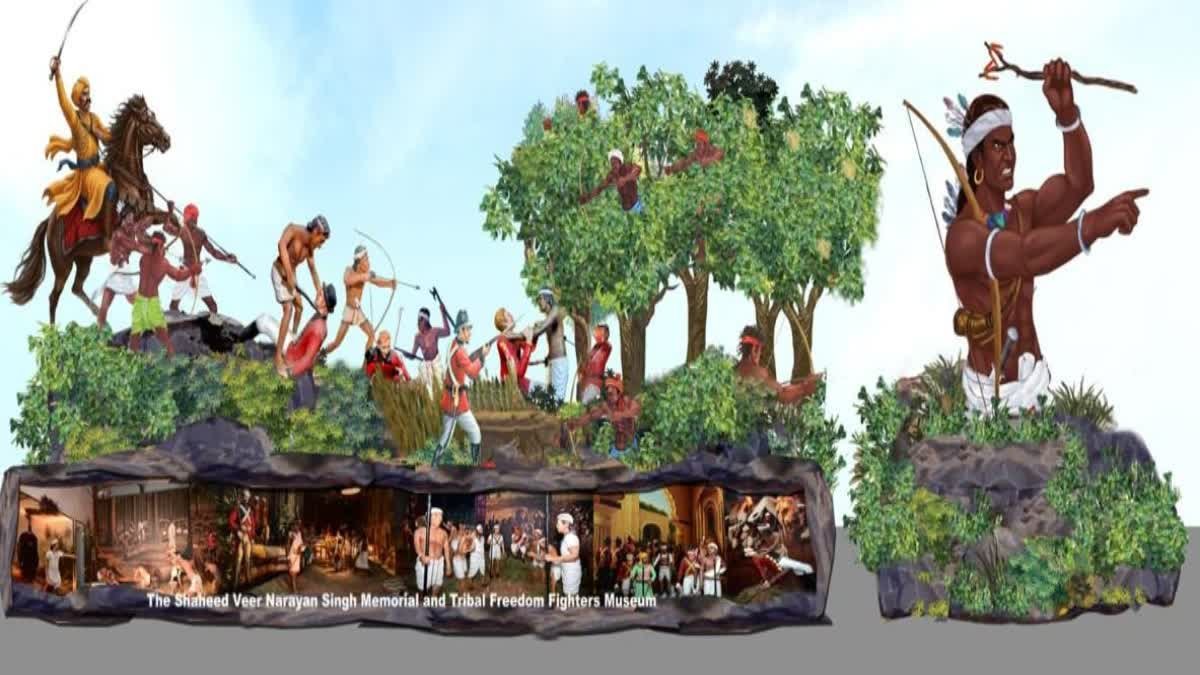
On January 26, 2026, the historic Kartavya Path in New Delhi will witness a powerful visual narrative of Chhattisgarh’s courage, sacrifice, and tribal resilience, as the state presents a grand tableau at the Republic Day Parade. The tableau will showcase the heroic legacy of tribal freedom fighters, mass uprisings, and the 118-year-old resolve behind the chant of “Vande Mataram” in the region.
The Chhattisgarh tableau is a tribute to the land that once formed part of the Central Provinces and Berar, where tribal communities mounted some of the earliest and fiercest resistance against British colonial rule. Through vivid imagery and storytelling, the tableau will underline how tribal valor shook the foundations of British authority long before India’s independence.
Focus on India’s First Tribal Digital Museum
The tableau draws inspiration from the Shaheed Veer Narayan Singh Memorial-cum-Tribal Freedom Fighters Museum, India’s first advanced Tribal Digital Museum, inaugurated on November 1, 2025, by Prime Minister Narendra Modi on the occasion of Chhattisgarh completing 25 years of statehood.
The museum houses 16 immersive galleries, using modern technology such as virtual reality to depict tribal life, folk traditions, and revolutionary movements. These stories will come alive on Kartavya Path, presenting the tribal narrative of India’s freedom struggle on a national stage.
Major Tribal Uprisings Featured in the Tableau
The tableau will visually depict several landmark tribal movements from Chhattisgarh’s history, including:
- Halba Rebellion (1774–1779): Considered India’s first tribal uprising, led by the Halba tribe in Bastar against political instability, famine, and foreign dominance.
- Surguja Rebellion (1792): Under King Ajit Singh, tribal communities rose against British interference and local collaborators, symbolizing the fight for self-rule.
- Bhopalpatnam Resistance (1795): Gond, Koya, Dorla, and Maria tribes blocked the East India Company’s entry into Bastar, marking the region’s first armed resistance to colonial expansion.
- Paralkot Rebellion (1824–1825): Led by King Gend Singh, Abujhmaria and Halba tribes fought a prolonged battle against British and Maratha forces.
- Tarapur Tax Revolt (1842–1854): Tribal unity forced the British to withdraw oppressive taxation policies.
- Meria Rebellion (1842): A movement defending religious freedom after British interference in tribal worship practices.
- Koya Rebellion (1859): A protest against deforestation and exploitative forest policies in southern Bastar.
- Linga Gadh Uprising (1856): Resistance against British control over land, water, and forests.
- Sonakhan Rebellion (1857): Led by Shaheed Veer Narayan Singh, who distributed grain to famine-hit people and was later executed by the British—Chhattisgarh’s first martyr of the freedom struggle.
- Rani Cho-Cheras Movement (1878): A rare example of a women-led tribal movement defending cultural dignity and autonomy.
- Bhumkal Rebellion (1910): Led by Veer Gundadhur, this was Chhattisgarh’s largest organized armed revolt against British forest laws, forced labor, and taxation.
118 Years of “Vande Mataram” in Chhattisgarh
The tableau also commemorates 118 years of “Vande Mataram” in Chhattisgarh, as part of the 150th anniversary of the iconic patriotic song. Historical records note that “Vande Mataram” was first sung in Raipur Town Hall in 1907, igniting nationalist fervor across the region.
The slogan became a rallying cry during protests, satyagrahas, and mass movements. British authorities viewed it as a threat, often arresting and imprisoning those who raised the chant.
Gandhian Influence and Tribal Participation
Mahatma Gandhi’s visit to Chhattisgarh in 1920, during the Kandel Canal Satyagraha in present-day Dhamtari district, further strengthened the freedom movement in tribal areas. Gandhian ideas resonated deeply, even in remote tribal villages such as Durga Kotal in Kanker and Bajra Tola in Rajnandgaon, where forest satyagrahas were organized.
One of the most poignant moments remembered is the martyrdom of Ramadhar Goud, who was shot dead while chanting “Vande Mataram” during a jungle satyagraha, intensifying resistance against colonial repression.
A Message of Unity and Sacrifice
The Chhattisgarh tableau at Kartavya Path will stand as a symbol of national unity, cultural pride, and tribal self-respect, honoring generations who laid down their lives for freedom, dignity, and justice.
As India celebrates its 77th Republic Day, Chhattisgarh’s presentation will remind the nation that the roots of India’s freedom run deep into its forests, hills, and tribal heartlands—where courage, culture, and patriotism merged into a timeless legacy.