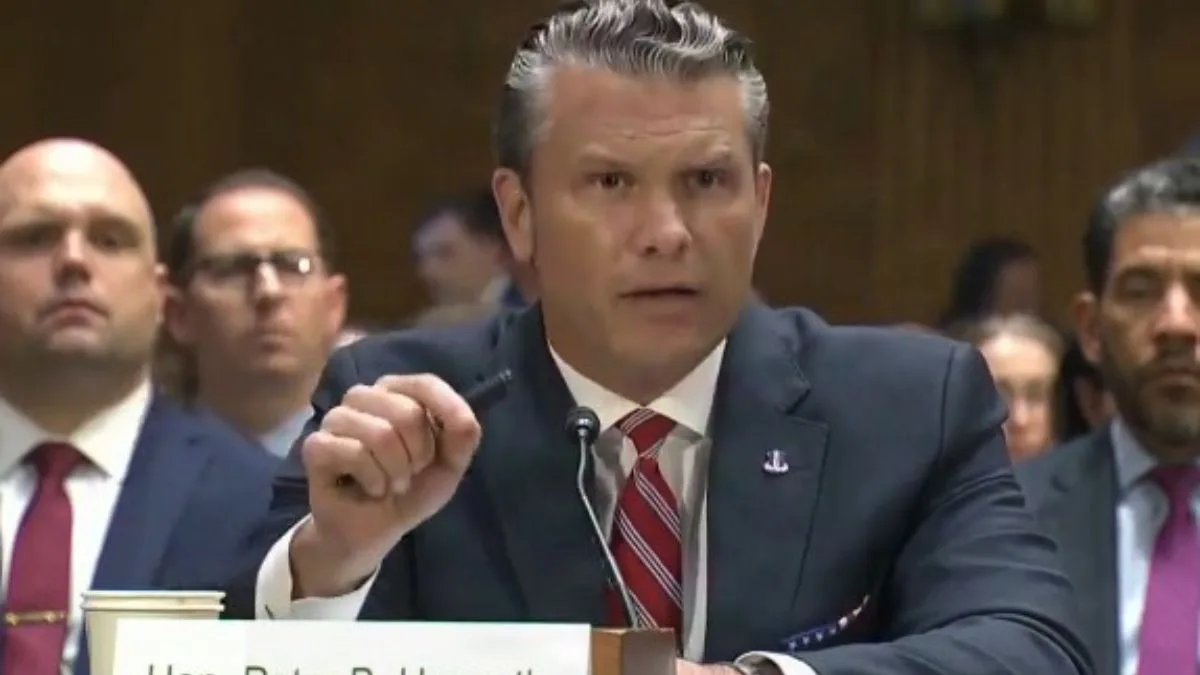


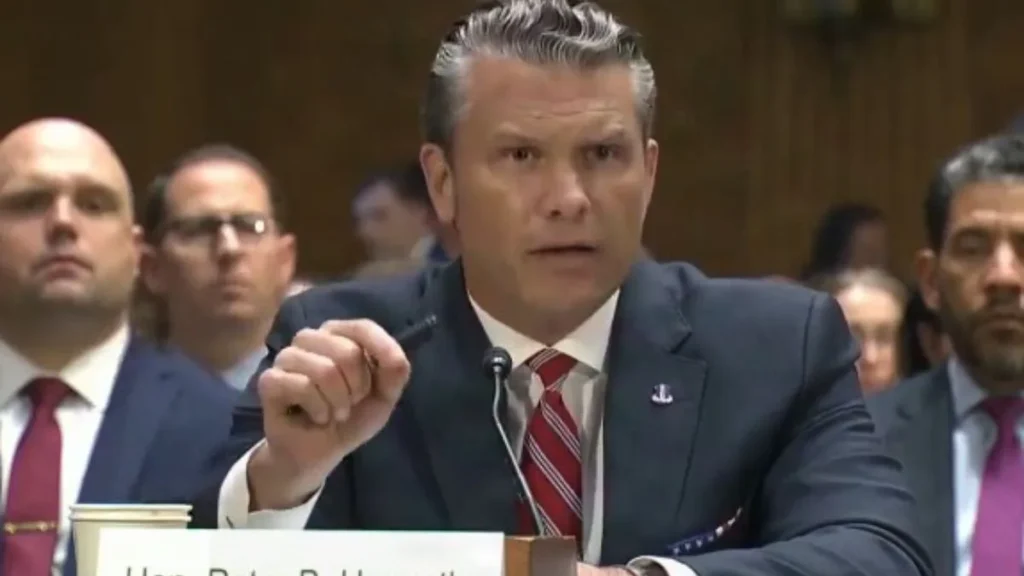
WASHINGTON, D.C. — The United States Department of Defense has estimated that its ongoing military campaign against Iran has already cost approximately $37.5 billion, according to Defense Secretary Pete Hegseth, who presented the figures during a hearing before the Senate Appropriations Committee on Tuesday.
The estimate includes expenses already incurred as well as projected costs through September 30, covering military personnel pay, operational expenses, logistics, maintenance, and combat-related activities. The disclosure comes as the Trump administration seeks congressional approval for an $87.6 billion emergency supplemental funding package to sustain military operations and strengthen U.S. defense capabilities.
Pentagon Requests Nearly $67 Billion for Military Operations
During the hearing, Hegseth stated that nearly $67 billion of the supplemental request is designated specifically for the Department of Defense.
According to the proposal:
- $21 billion would be allocated to military readiness, including troop salaries, fuel supplies, equipment replacement, National Guard support, and forward deployments.
- $46 billion would be invested in expanding munitions production and accelerating development of hypersonic weapons, counter-drone technologies, satellite systems, and other advanced defense capabilities.
Hegseth warned lawmakers that failing to approve the funding could significantly affect the military’s ability to maintain operational readiness.
“Without these funds, we face critical shortfalls that threaten our ability to pay our service members, rapidly replenish equipment and munitions, and sustain vital operations without disruption,” Hegseth told senators.
Democrats Challenge the Funding Request
Several Democratic senators questioned whether additional funding is necessary, arguing that the Pentagon still has approximately $75 billion in unobligated funds remaining from previous congressional appropriations.
Senator Patty Murray criticized several provisions in the emergency package, including funding for U.S. Southern Command, National Guard deployments in Washington, and continued military operations along the U.S.-Mexico border.
“The American people want to see a quick and strategic end to this war, not billions of taxpayer dollars committed to prolonging it,” Murray argued during the hearing.
Lawmakers also debated whether the administration possesses the legal authority to continue military operations under the War Powers Resolution. Hegseth maintained that President Donald Trump has sufficient constitutional authority to continue the campaign.
Meanwhile, Chairman of the Joint Chiefs of Staff General Dan Caine declined to comment on whether the United States is considering deploying ground forces, stating that military planners routinely prepare multiple operational scenarios.
Hegseth Claims Russia and China Are Supporting Iran
One of the most significant moments during the hearing came when Hegseth alleged that both Russia and China are providing assistance to Iran.
While declining to disclose classified intelligence, he stated that both nations are enabling certain aspects of Iran’s military activities.
“There are ways in which both of those countries are, at different levels, enabling some of the things Iran is doing,” Hegseth said.
General Caine also refused to elaborate publicly, explaining that discussing intelligence assessments could compromise sensitive sources and methods.
No specific evidence was presented during the hearing regarding the alleged assistance.
U.S. Continues Military Operations Against Iran
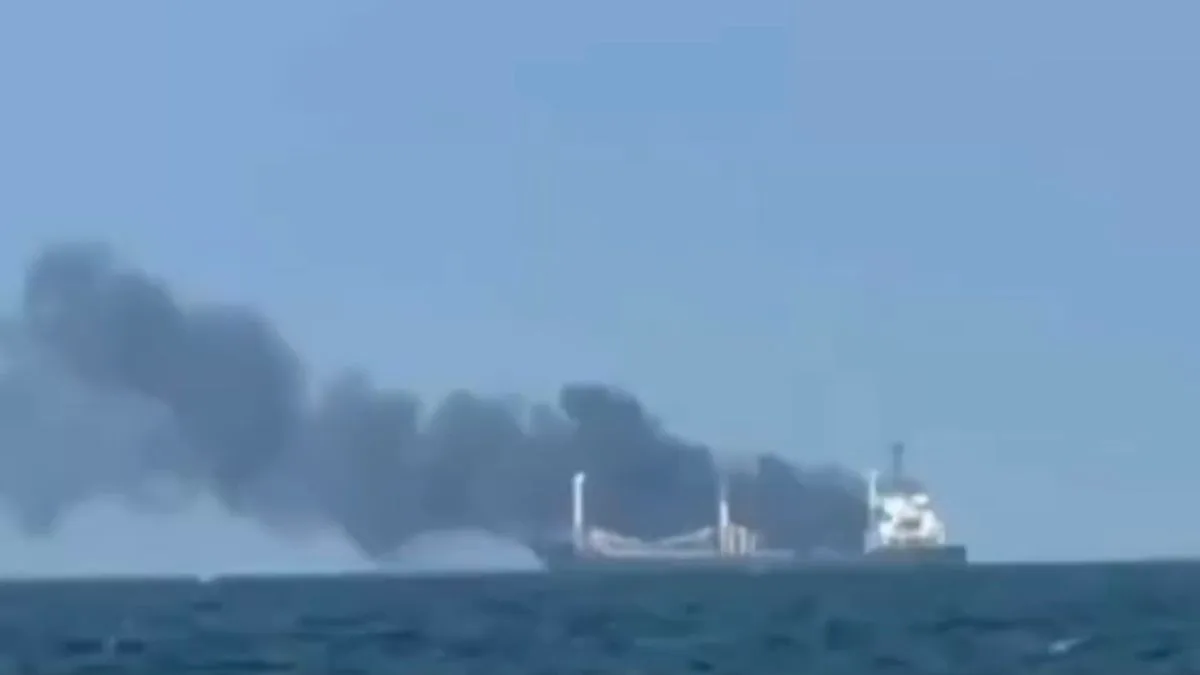
Hegseth confirmed that U.S. forces carried out strikes against Iranian targets for the tenth consecutive night, accusing Tehran of resuming attacks on commercial shipping in the Strait of Hormuz, one of the world’s most strategically important maritime trade routes.
He stated that the United States has reimposed what he described as an “effectively impenetrable” maritime blockade aimed at restricting Iran’s military operations and surveillance capabilities around the Strait.
According to Hegseth, recent U.S. operations have significantly reduced Iran’s ability to monitor and operate in the region.
Iran’s Military Capabilities Still Pose Risks
Despite claiming that Iran is currently in its weakest military position in decades following repeated U.S. strikes on missile infrastructure and military facilities, Hegseth acknowledged that Tehran continues to possess several dangerous capabilities.
These include:
- Fast attack naval boats
- Coastal missile systems
- Naval mines
- Other asymmetric maritime warfare assets capable of threatening regional shipping lanes.
A Broader Defense Strategy
Hegseth described the administration’s proposed $1.5 trillion defense budget as a “generational investment” designed to strengthen America’s military posture and deter strategic competitors, particularly Russia and China.
The proposal reflects a broader effort by the administration to modernize U.S. armed forces while maintaining military readiness amid escalating geopolitical tensions in the Middle East, Eastern Europe, and the Indo-Pacific region.
Key Highlights
- Pentagon estimates the Iran conflict has cost the U.S. $37.5 billion.
- Trump administration requests an $87.6 billion emergency defense funding package.
- Nearly $67 billion would support military readiness and advanced weapons programs.
- Democratic lawmakers question the need for additional funding and debate the legal basis for continued military operations.
- Defense Secretary Pete Hegseth alleges Russia and China are assisting Iran but provides no public details.
- U.S. military operations against Iranian targets continue for a tenth consecutive night.
- Administration proposes a $1.5 trillion defense budget focused on strengthening deterrence against Russia and China.