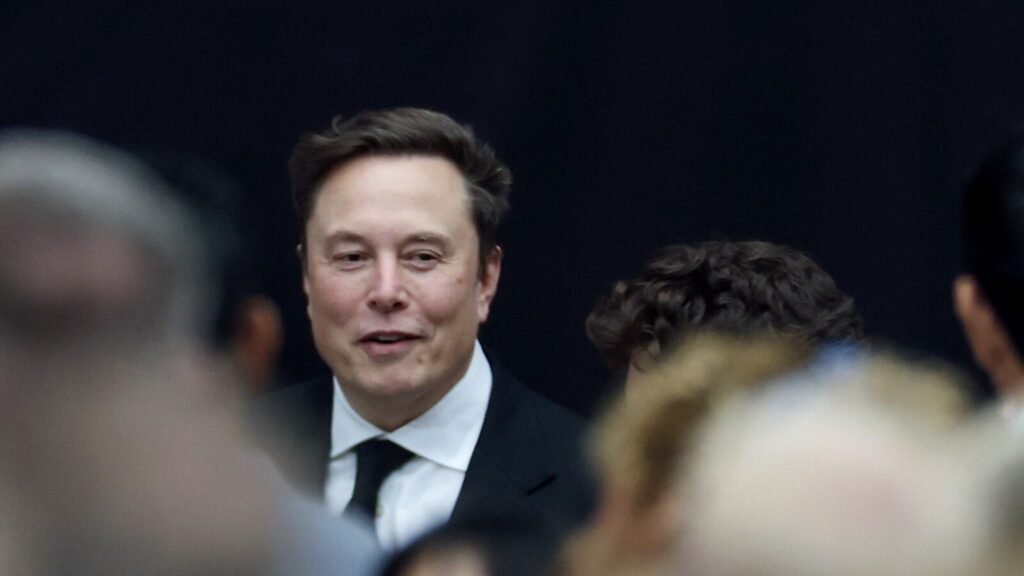
Elon Musk may have packed up Tesla’s headquarters and declared a fresh start in Texas, but California isn’t done with him—and apparently, he isn’t done with California either.
Despite a messy, very public split from the Golden State, Musk is quietly building back his presence there. His brain-interface company Neuralink just signed a lease for a five-story, 144,000-square-foot building in South San Francisco, according to the San Francisco Business Times. The location places Neuralink squarely among the region’s thriving biotech community.
Meanwhile, xAI, Musk’s artificial intelligence venture, is also scaling up in the Bay Area. The company is reportedly searching for a 250,000-square-foot facility after moving into offices formerly used by OpenAI last year. xAI currently lists over 250 open positions in the Bay Area alone—evidence of Musk’s continued reliance on Silicon Valley’s deep talent pool.
While Neuralink and xAI never officially left California, the same can’t be said for Tesla, SpaceX, and Twitter/X, which all relocated their headquarters to Texas in recent years. Musk once described operating in San Francisco as “impossible,” particularly when dealing with payment processing at Twitter.
Yet, hiring data suggests that California remains Musk’s most important base of operations. Tesla’s careers page lists more than 1,300 job openings in California, compared to just 470 in Texas. SpaceX also continues to recruit heavily at its longtime Hawthorne, California facility, even as its Starbase headquarters in Texas focuses on foundational roles—such as a junior sushi sous chef and mixologist.
Musk’s tensions with California date back to the pandemic, when the state forced Tesla’s Fremont factory to temporarily shut down in 2020. He later blamed California’s high taxes and cost of living for moving Tesla’s HQ to Texas in 2021.
In the years since, Musk has become increasingly vocal in national politics. He has funded Republican campaigns, spent $20 million on a Wisconsin race, and even paid voters $1 million to cast ballots, according to the AP. His involvement with the Department of Government Efficiency (DOGE)—a short-lived federal reform initiative—ended after clashes with the administration over a budget bill. Musk has since pledged to form his own political party.
Still, despite the political posturing and public feuds, Musk’s Bay Area resurgence shows one undeniable truth: for all its taxes, regulations, and headaches, California remains the beating heart of innovation—and Elon Musk knows it.