

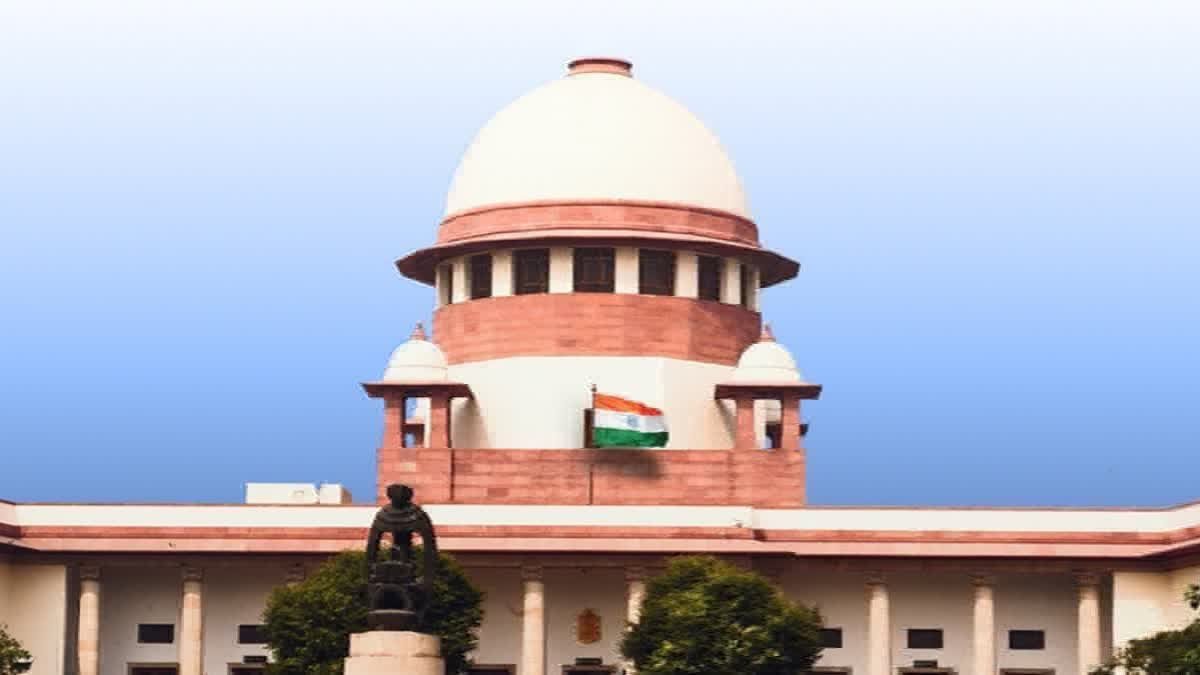

New Delhi: The Supreme Court of India has stayed the implementation of the University Grants Commission’s (UGC) newly notified Promotion of Equity in Higher Education Institutions Regulations, 2026, citing ambiguity in the rules and the possibility of misuse. The interim order comes at a time when the regulations had triggered widespread protests and debates over caste-based discrimination on university campuses.
A bench comprising Chief Justice Surya Kant and Justice Joymalya Bagchi issued notices to the Union Ministry of Education and the UGC while hearing multiple petitions challenging the validity of the new rules. The court observed that the regulations appeared unclear in their definition and scope and raised concerns that they could be selectively applied. Until further hearings, the court directed that the UGC’s 2012 regulations on equity and anti-discrimination would continue to remain in force.
Background of the Regulations
The UGC notified the 2026 regulations on January 13, 2026, following earlier directions from the Supreme Court to strengthen mechanisms for addressing discrimination in higher education institutions. These regulations replaced the UGC (Promotion of Equity in Higher Educational Institutions) Regulations, 2012, which were advisory in nature.
Unlike the 2012 framework, the 2026 regulations were mandatory and introduced strict enforcement mechanisms, including financial penalties and the possibility of derecognition for non-compliant institutions.
Key Provisions of the UGC’s 2026 Regulations
Under the new rules:
- Every college and university was required to establish an Equal Opportunity Center (EOC) to support disadvantaged and marginalized students.
- The EOC was tasked with assisting students facing issues related to admissions, fees, academic support, and discrimination.
- Each institution had to form an Equity Committee, chaired by the head of the institution.
- The committee was mandated to include representatives from:
- Other Backward Classes (OBC)
- Scheduled Castes (SC)
- Scheduled Tribes (ST)
- Persons with Disabilities
- Women
- The committee’s tenure was fixed at two years.
- An Equality Squad was to be constituted to monitor discriminatory practices on campus.
- Any complaint of discrimination had to be addressed within 24 hours, with a detailed inquiry report to be submitted within 15 days.
- Institutional heads were required to initiate action within seven days of receiving the report.
- The EOC had to submit biannual reports to the institution.
- Institutions were required to submit annual reports on caste-based discrimination to the UGC.
- The UGC was empowered to set up a National Monitoring Committee.
- Penalties for violations included:
- Withholding of grants
- Suspension of degree, online, and distance education programs
- Cancellation of accreditation
- In extreme cases, withdrawal of UGC recognition
Core Issue and Legal Challenge
The primary objection raised in the petitions was that the regulations defined caste-based discrimination exclusively in terms of discrimination against SC, ST, and OBC students. Petitioners argued that by doing so, the UGC effectively excluded students from the general or unreserved category from institutional protection and grievance redressal mechanisms, even if they faced discrimination based on caste identity.
The petitions contended that this selective definition violated the principle of equality before the law, as guaranteed under the Constitution, and could create an imbalance in how discrimination complaints are assessed and addressed.
Protests and Student Opposition
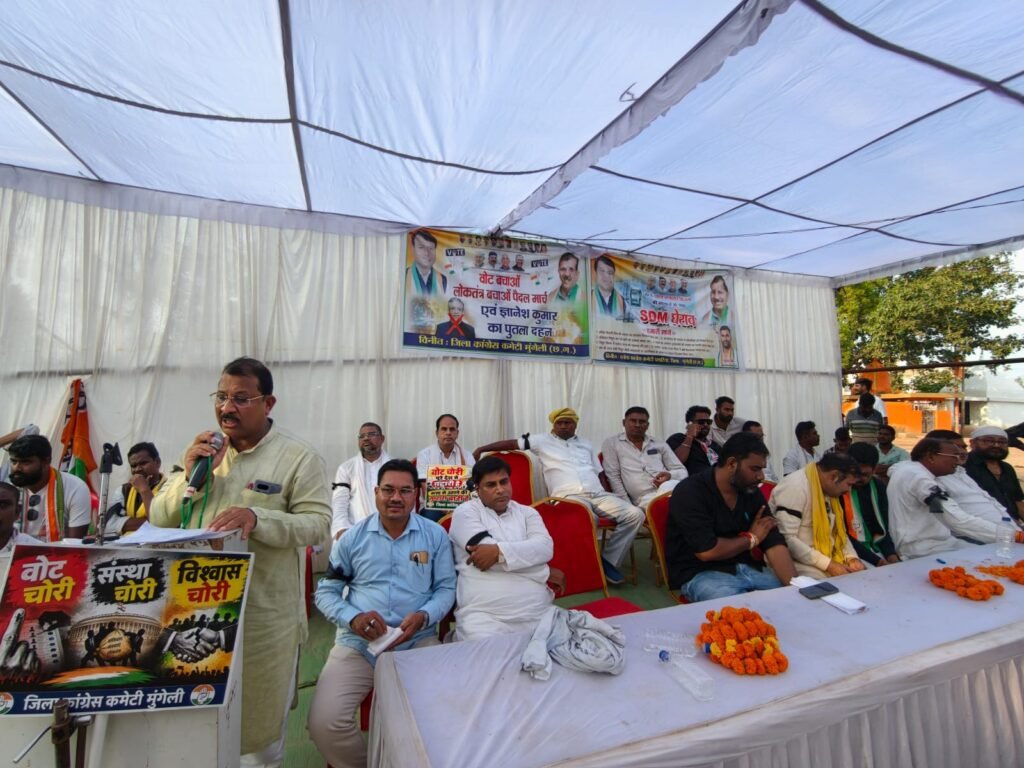
Following the notification of the regulations, student groups and organizations across multiple states organized protests demanding their immediate withdrawal. Protesters argued that while the intent to promote equity was important, the regulations risked deepening caste divisions rather than fostering inclusiveness.
Several groups warned that the rules could be misused, leading to arbitrary actions against institutions and individuals without ensuring equal safeguards for all students.
Supreme Court’s Observations
During the hearing, the Supreme Court noted that regulations aimed at promoting equity must be clear, balanced, and inclusive, and should not themselves become a source of discrimination or conflict. The bench emphasized that any anti-discrimination framework must protect all sections of society, without ambiguity or exclusion.
The court’s interim stay ensures that higher education institutions will continue to follow the 2012 advisory regulations until the matter is finally decided.
What Lies Ahead
The Supreme Court has sought detailed responses from both the UGC and the central government. The case is expected to have significant implications for how equity, inclusion, and caste-based discrimination are addressed within India’s higher education system.
Further hearings will determine whether the 2026 regulations are amended, upheld with modifications, or struck down altogether.