


With the rapid rise in electric vehicle (EV) adoption, the central government has unveiled a plan to introduce Aadhaar-like unique identification numbers for EV batteries to ensure end-to-end traceability, safety, and efficient recycling.
The Ministry of Road Transport and Highways has proposed assigning a 21-character Battery Pack Aadhaar Number (BPAN) to every electric vehicle battery under a new regulatory framework. According to draft guidelines issued by the ministry, it will be mandatory for battery producers and importers to assign a BPAN to each battery placed in the market or used for self-consumption.
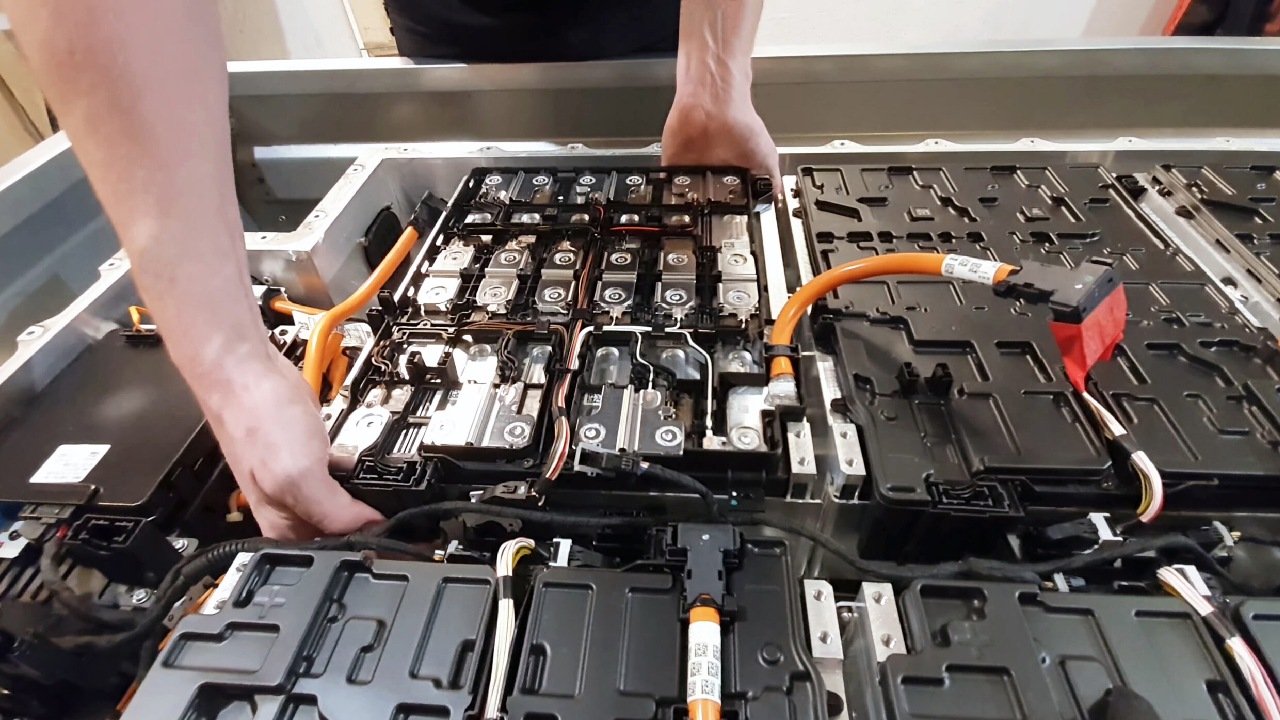
The guidelines state that the BPAN must be displayed in a clearly visible and accessible location on the battery pack, chosen in a way that it cannot be easily destroyed or deteriorated. In addition, manufacturers and importers will be required to upload Battery Pack Dynamic data onto an official BPAN portal.
The BPAN system is designed to capture and store critical information throughout the battery’s lifecycle — from raw material extraction and manufacturing to usage, repurposing, recycling, and final disposal. Any change in the battery’s attributes due to recycling or second-life use will require the issuance of a new BPAN, either by the same or a different producer or importer.
Officials said the initiative aims to enhance transparency, accountability, and sustainability in India’s battery ecosystem by enabling accurate tracking of battery performance, safety, and environmental impact. The system is also expected to support second-life applications, ensure regulatory compliance, and strengthen recycling efficiency.
Electric vehicle batteries account for nearly 80–90 per cent of India’s total lithium-ion battery demand, far exceeding usage in industrial and non-automotive sectors. Given their scale and safety implications, the draft guidelines propose giving priority to EV batteries during the initial phase of standard formulation, even though BPAN applicability is recommended for all industrial batteries above 2 kWh.
The government has suggested implementing the Battery Pack Aadhaar framework through the Automotive Industry Standard (AIS) route under the Automotive Industry Standards Committee (AISC). This approach would allow structured stakeholder consultations, technical validation, and alignment with existing automotive regulations.
The proposed AISC committee may include representatives from battery manufacturers, EV makers, recyclers, testing agencies, and regulatory authorities to ensure smooth implementation across the entire battery lifecycle.
As India advances toward digitalization and electrification, the government believes the BPAN framework will play a crucial role in building a safe, traceable, and sustainable energy storage ecosystem, supporting electric mobility as well as broader energy storage applications across industrial and domestic sectors.