

Special Feature | Animal Husbandry
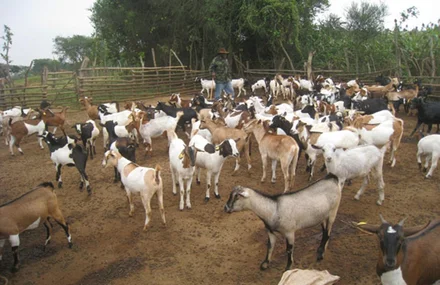
Goat farming has emerged as a reliable and profitable self-employment option for small and marginal farmers. It requires low investment and provides regular income. However, the winter season is considered the most critical period in goat rearing, especially when goat kids are born. Newborn kids are extremely sensitive to cold, moisture, wind and infections. Even minor negligence during this period can prove fatal.
According to veterinary experts, proper winter management and timely care can significantly reduce kid mortality and ensure healthy growth.
Immediate Care After Birth Is Crucial
Goat kids born during winter need special attention immediately after birth. At birth, the kid’s body remains wet, which causes rapid heat loss. Therefore, the newborn must be wiped thoroughly with a clean, dry and warm cloth to remove moisture and maintain body temperature.
After cutting the navel cord, it should be disinfected with 5 percent iodine solution to prevent bacterial infection. The first 30 minutes after birth are extremely critical, and the kid must be kept in a warm, draft-free place. A thick bedding of dry straw or hay should be provided to avoid contact with the cold floor.
Colostrum: The First Life-Saving Feed
The first milk, known as colostrum, plays a vital role in the survival and health of goat kids. It acts like a natural vaccine, strengthening the kid’s immune system. Veterinary specialists recommend feeding colostrum within one hour of birth.
Colostrum helps clean the digestive tract, provides warmth and protects against infections. During the first 24 hours, the kid should be fed colostrum three to four times. Weak kids can be fed using a bottle or cup if necessary.
Warm, Dry and Safe Housing Is Essential
Cold and damp housing is the main reason for kid mortality in winter. The goat shed must always be clean, dry and protected from cold winds. Thick bedding made of straw, hay or dry leaves helps maintain warmth and comfort.
Doors and windows should be covered with gunny bags or tarpaulin to block cold air, while allowing minimal ventilation to prevent moisture buildup. During foggy or rainy days, the shed should remain closed. Sunlight should be allowed inside during daytime to keep the environment dry and healthy.
Proper Feeding and Milk Management
For the first 2–3 weeks, mother’s milk is the primary diet of the kid. Milk should be fed slightly lukewarm, as cold milk may cause diarrhea and digestive problems. Feeding small quantities three to four times a day is ideal.
After 15–20 days, kids can gradually be introduced to soft dry feed, green fodder and clean drinking water. Commercial kid starter feed may also be used. Feeding utensils must always be clean to avoid infections.
Higher Risk of Diseases During Winter
Winter increases the risk of diseases such as pneumonia and diarrhea in goat kids. Symptoms like coughing, nasal discharge, rapid breathing, weakness or fever should not be ignored.
Clean housing, protection from cold wind and proper hygiene are the most effective preventive measures. If symptoms appear, immediate consultation with a veterinarian is strongly advised.
Separate Kid Pen for Safety
Newborn kids should not be kept with adult goats, as they may get injured. A separate kid pen provides safety and warmth. Keeping kids of similar age together helps them share body heat.
Allowing kids to bask in sunlight for 1–2 hours daily improves immunity and overall health.
Low-Cost Household Methods to Prevent Cold
Simple village-level methods can effectively protect kids from cold. Old woolen clothes, gunny bags or blankets can be used to cover kids. A cardboard box filled with straw can serve as a temporary warm shelter.
Plastic sheets on the floor prevent moisture from rising. Open fire or hot embers should never be used inside the shed due to fire risk.
Care of Pregnant Goats Ensures Healthy Kids
The health of newborn kids largely depends on the care of pregnant goats. During the last two months of pregnancy, goats should receive balanced feed, green fodder and clean water. They should be protected from cold stress and heavy physical activity.
The kidding area must be clean, dry and warm. Necessary vaccinations should be given as per veterinary advice.
Vaccination and Deworming Are Key Preventive Tools
Timely vaccination protects goats and kids from major diseases such as PPR (Goat Plague), Enterotoxemia, and Foot-and-Mouth Disease. Maintaining vaccination records is advisable.
Deworming at regular intervals (every 1–2 months) helps control internal parasites and supports better growth and weight gain.
Conclusion
Winter care of goat kids requires extra attention, but the rewards are substantial. Providing warmth, dryness, timely colostrum feeding, balanced nutrition and proper health care ensures strong and healthy kids. Early disease detection and regular vaccination further reduce losses. Healthy kids grow into productive goats, ultimately increasing farmers’ income and making goat farming a sustainable livelihood.
Authors
Devesh Kumar Giri
Deepak Kumar Kashyap
Govinda Devangan
Shailesh Vishal
Mohd. Kashif Raza
Veterinary Polytechnic
Dau Shri Vasudev Chandrakar Kamdhenu University
Durg, Chhattisgarh