


Tokyo: In a landmark legal move, hundreds of citizens across Japan on Thursday filed a lawsuit against the central government, accusing it of “unconstitutional” inaction on climate change. The case marks the first compensation lawsuit in the country directly targeting the state over climate policy failures.
Around 450 plaintiffs have joined the suit, arguing that Japan’s climate measures are “grossly inadequate” and are endangering their health, livelihoods and constitutional rights. The complaint seeks symbolic damages of 1,000 yen per plaintiff, with lawyers stressing that the case is about accountability rather than financial compensation.
“We have officially submitted our complaint and evidence, and the court has accepted the lawsuit,” said Akihiro Shima, the lead lawyer representing the plaintiffs.
Heatwaves, Health Risks and Economic Losses
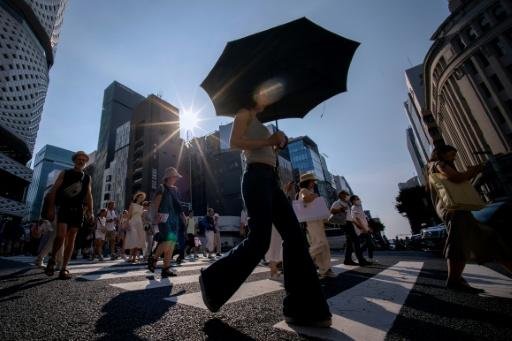
The lawsuit comes in the wake of Japan’s hottest summer since records began in 1898, which plaintiffs say has intensified heatwaves, damaged crops and increased the risk of heat-related illnesses.
Kiichi Akiyama, a 57-year-old construction worker and one of the plaintiffs, said extreme heat has severely slowed outdoor work, causing major losses to his business.
“I can barely dig with a shovel for 10 minutes without resting,” he said, adding that some workers have collapsed in the field or even died after returning home.
Another plaintiff, Saito, who spoke using only her surname, said rising temperatures are affecting her six-year-old son’s daily life. “Public pools are sometimes closed due to heat alerts, and playground equipment becomes dangerously hot. Children are losing opportunities to play outdoors,” she said.
Legal and Global Context
According to experts, while several climate-related lawsuits have previously been filed in Japan—mainly targeting coal-fired power plants—this is the first case seeking damages from the government itself for climate inaction.
Kyoto University assistant professor Masako Ichihara, who has studied climate litigation in Japan, said the lawsuit is legally bold but faces long odds. However, she noted that its relatable personal testimonies could help raise public awareness.
The complaint also criticises Japan’s current emissions targets, arguing they are inconsistent with the Paris Agreement’s goal of limiting global warming to 1.5°C. Japan has pledged to cut greenhouse gas emissions by 60% by 2035 and 73% by 2040 compared with 2013 levels, but the plaintiffs argue these goals fall far short of recommendations by the UN Intergovernmental Panel on Climate Change (IPCC) and are not legally binding.
“This legislative omission is unmistakably unconstitutional,” the complaint states.
Part of a Global Trend
The Japanese lawsuit mirrors similar legal actions worldwide. In South Korea, young environmental activists recently won Asia’s first constitutional climate case, while courts in Germany ruled in 2021 that the country’s climate targets were insufficient and unconstitutional.
While a court victory in Japan remains uncertain, plaintiffs and lawyers say the case aims to push climate responsibility into the national spotlight and force stronger government action.