

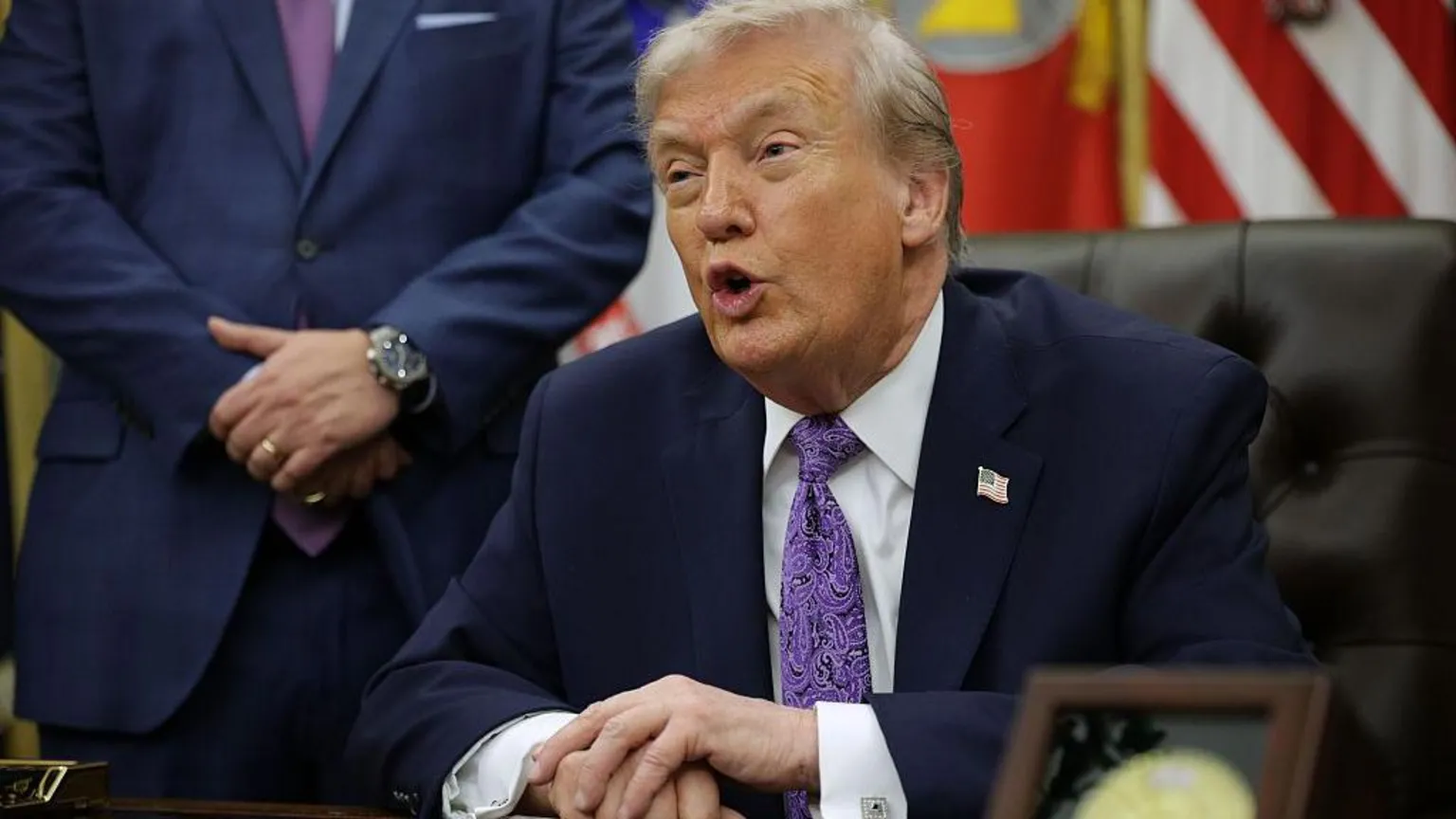

A constitutional clash erupted on Friday after US President Donald Trump announced that he had pardoned former Colorado elections clerk Tina Peters, who is currently serving a nine-year state prison sentence for allowing unauthorised access to voting machines during the 2020 presidential election.
Peters was convicted last year on seven state charges, including attempting to influence a public servant and conspiracy to commit criminal impersonation. Because these are state-level convictions, legal experts and Colorado officials say the president has no constitutional authority to issue such a pardon.
Colorado Officials Reject Trump’s Claim
Colorado Secretary of State Jena Griswold strongly dismissed Trump’s announcement, stating:
“Trump has no constitutional authority to pardon her. His assault is not just on our democracy, but on states’ rights and the American constitution.”
Colorado Attorney General Phil Weiser also issued a sharply worded statement, calling the claimed pardon legally meaningless:
“One of the most basic principles of our constitution is that states have independent sovereignty and manage our own criminal justice systems without interference from the federal government.”
He added that Trump’s claimed pardon “has no precedent in American law” and “will not hold up”.
Trump Defends Peters, Repeats Election Claims
In his post on Truth Social, Trump portrayed Peters as a victim of political persecution:
“Democrats have been relentless in their targeting of TINA PETERS, a Patriot who simply wanted to make sure that our Elections were Fair and Honest.”
Trump has repeatedly claimed, without evidence, that the 2020 presidential election was stolen from him—claims that helped fuel the election conspiracy movement, in which Peters has become a symbolic figure.
A Flurry of Controversial Pardons
Since returning to the White House in January 2025, Trump has issued a series of pardons to allies and former aides, including Mark Meadows and Rudy Giuliani. His latest move is already sparking debate over executive power and potential constitutional limits.
For now, Colorado authorities say Peters’ sentence remains unchanged—and Trump’s announcement carries no legal force.