
Odisha’s annual Budget for 2027-28 is expected to increase by 8-10 per cent, supported by 13 per cent growth in the state’s own revenue during the first half of the current financial year.
The revenue growth would take the annual outlay beyond the ₹3.1 trillion Budget presented for 2026-27, as the government seeks to accelerate investment, infrastructure development and social sector spending in pursuit of its ambitious economic growth targets.
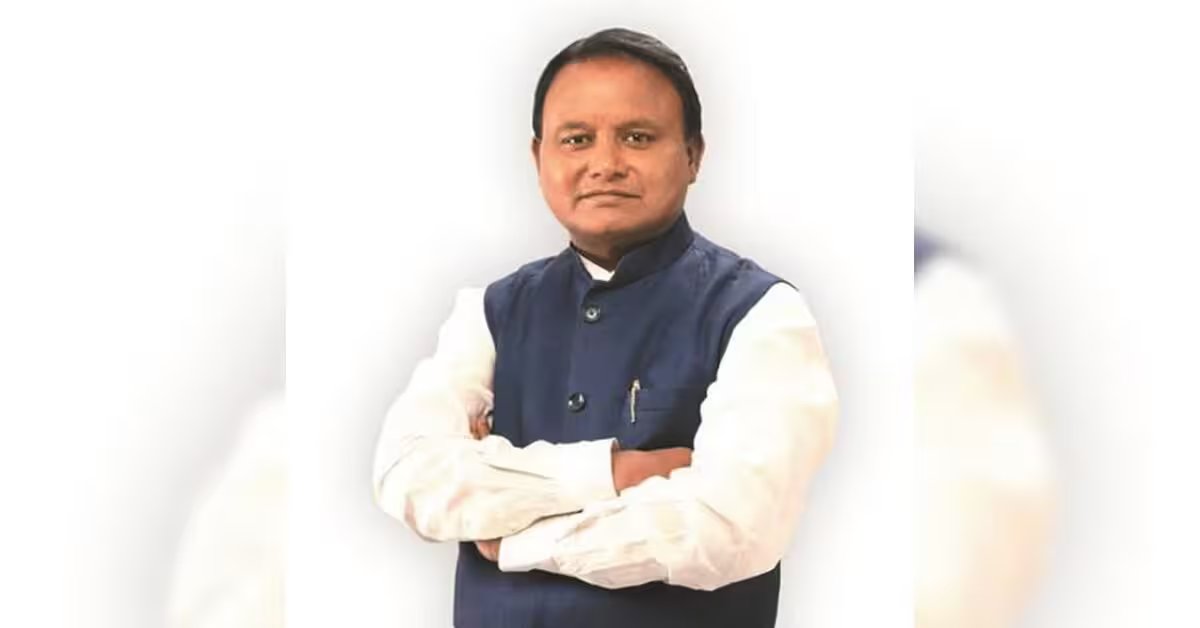
The state government has initiated the Budget preparation exercise for the next financial year, asking all administrative departments to submit their proposals for Budget Estimates (BE) 2027-28 by December 19. Chief Minister Mohan Charan Majhi is scheduled to present the annual Budget in the Odisha Legislative Assembly in the third week of February 2027.
According to the assessment, the state’s own tax revenue registered growth of around 10 per cent during the first six months of the fiscal year compared with the corresponding period of the previous year. Own non-tax revenue, largely driven by higher collections from the mining sector, grew by an impressive 17 per cent.
Total revenue receipts, comprising the state’s own revenue and transfers from the Centre, increased by 10 per cent over the corresponding period of 2025-26. The government expects to achieve the own revenue target of ₹1.41 trillion set for the current financial year, although collections up to September accounted for around 40 per cent of the annual Budget estimate.
The Finance Department has, however, flagged the moderation in central grants as an area requiring close monitoring. It has emphasised the need to sustain growth in the state’s own revenue through improved tax administration, better compliance and efficient mobilisation of non-tax resources to finance its development priorities.
Odisha aspires to become a $500 billion economy by 2036 and a $1.5 trillion economy by 2047, in alignment with the national vision of Viksit Bharat. To achieve these targets, the government has identified six strategic pillars — People First, Rural Empowerment, Prosperity for All, Our Legacy Our Pride, Technology Leading the Way and People-Centric Governance — to guide resource allocation towards human capital development, rural transformation, investment generation, innovation, cultural preservation and improved public service delivery.
The state government observed that the favourable macroeconomic outlook for the country, coupled with Odisha’s inherent economic strengths and emerging investment opportunities, offers a strong foundation for accelerating growth. India’s real GDP grew by 7.8 per cent in the first quarter of 2026-27, while the state economy is projected to grow at 8 per cent in the medium term.
Renewable energy, green hydrogen, semiconductor manufacturing and digital infrastructure have been identified as emerging sectors that could drive the next phase of Odisha’s economic expansion. The government has stressed the importance of attracting private investment, improving the ease of doing business, creating industry-ready infrastructure and developing a skilled workforce to support productive economic activity.
A major feature of the upcoming Budget exercise will be the introduction of multi-year expenditure ceilings for departments. Moving beyond the conventional practice of preparing annual expenditure proposals, the Finance Department will communicate indicative ceilings for three consecutive years — the Budget year (Y), Y+1 and Y+2.
Departmental ceilings will be communicated through the Budget Estimation, Tracking and Analysis (BETA) system. Each administrative department will receive separate ceilings for administrative expenditure, programme expenditure, transfers from the state and disaster risk management funds.
“The objective is to provide departments with greater predictability in fund availability and enable them to plan and implement multi-year projects without uncertainty over annual allocations. Departments will have to prioritise their proposals within the prescribed ceilings rather than seek allocations without assessing their actual implementation requirements,” said an official of the Finance Department.
In another significant reform aimed at improving financial discipline, departments have been asked to thoroughly examine the utilisation certificate position and cash balances of institutions before sanctioning grants-in-aid. The practice of making global allotments for House Building Advance (HBA), Leave Travel Allowance (LTA) and other long-term advances will also be discontinued.
The Finance Department, in consultation with the Planning and Convergence Department, will prepare a Fiscal Strategy Paper outlining the assumptions underlying medium-term revenue and expenditure projections, along with the outlook for the state’s economy and finances.
The government has also directed departments to make suitable provisions for the implementation of the Centre’s Just-in-Time fund release mechanism under the SNA-SPARSH model for several centrally sponsored schemes. The system requires expenditure to be booked against the relevant functional units, with appropriate provisions under recurring operational expenditure (Opex) and non-recurring capital expenditure (Capex).
Another new emphasis has been placed on the integration of Sustainable Development Goals (SDGs) into the annual budgeting process. Departments have been asked to map their proposed allocations against relevant SDG targets, using the framework developed jointly by NITI Aayog, the Comptroller and Auditor General (CAG) of India and the United Nations Development Programme.
“The state’s budget outlay increased from Rs 2.3 trillion in 2023-24 to Rs 2.65 lakh crore in 2024-25, registering a 15 per cent rise. It subsequently rose by 9.4 per cent to Rs 2.9 trillion in 2025-26 and further to Rs 3.1 trillion in 2026-27, posting a growth of around 6.9 per cent. The next budget is expected to reach Rs 3.3 trillion to Rs 3.5 trillion,” said an official.
The Budget preparation will follow an advanced calendar, with pre-Budget consultation meetings scheduled between December 21, 2026, and January 8, 2027. The estimates will subsequently be revised on February 3, 2027, after taking into account the consultations and the Union Budget for 2027-28.