In today’s fast-moving digital world, tech myths spread faster than viral videos. From charging habits to 5G paranoia, many long-standing “facts” about technology simply aren’t true.
These half-truths have persisted for decades — whispered around office water coolers, echoed in Reddit threads, and now amplified by social media and AI summaries.
It’s time to separate fact from fiction. Here are 23 of the most common tech myths—debunked once and for all.
—
1. Incognito Mode Is 100% Private
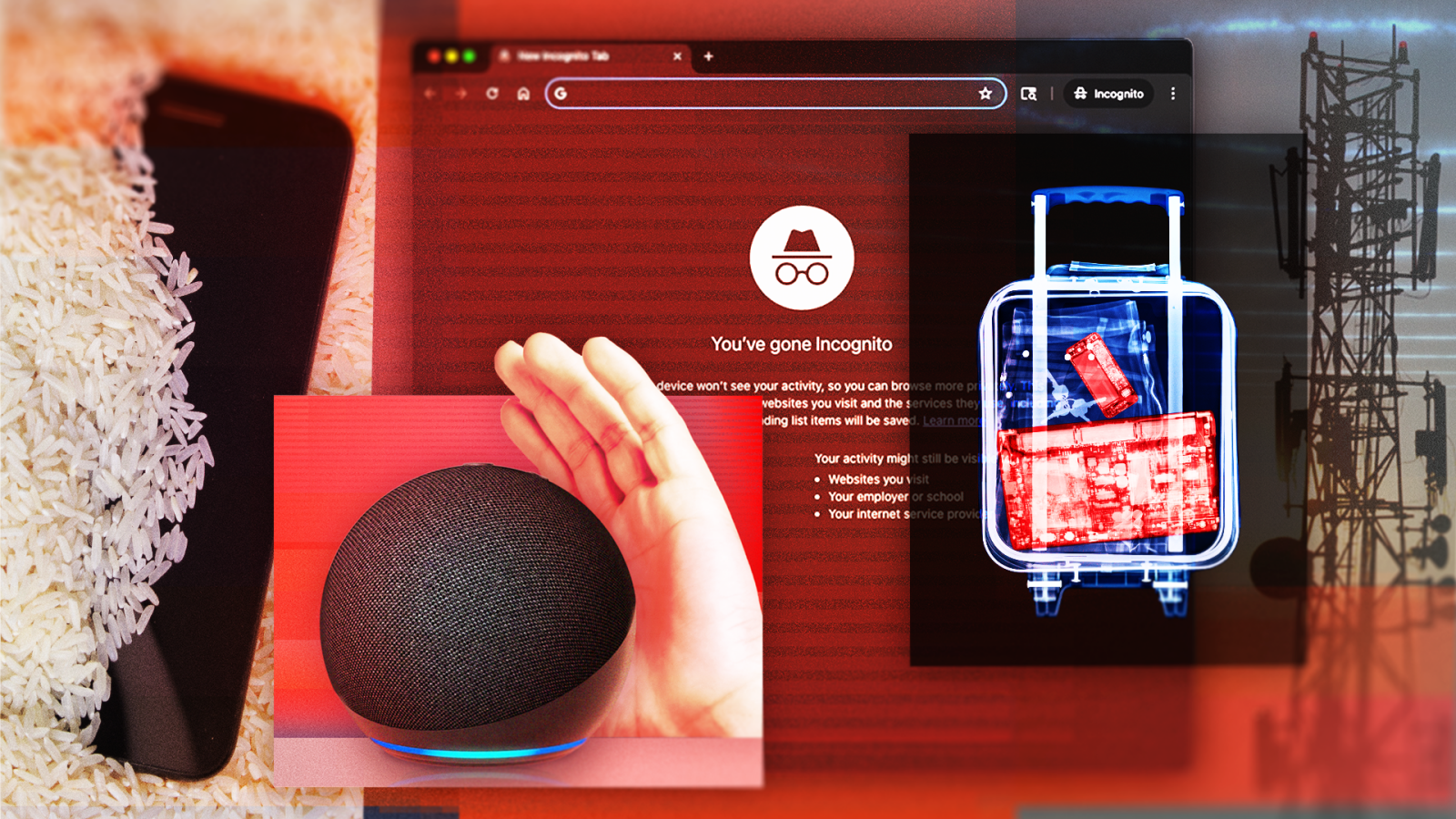
Private or incognito mode only hides your browsing history from others using your device. Your internet provider, your employer, and the websites you visit can still track you.
For true privacy, use a security-focused browser like Brave or Tor, though both may slow down your speed.
—
2. “I’m Too Small to Be Hacked”
You don’t need to be rich or famous to be a cyber target. Hackers often use automated tools that collect and sell personal data from anyone.
Use unique passwords for each site and enable two-factor authentication to reduce risk.
—
3. Macs and iPhones Don’t Get Viruses
Apple devices have strong security, but they’re not invincible. Malware and zero-day exploits occasionally slip through.
Keep your devices updated and avoid downloading apps from unverified sources, especially on jailbroken devices.
—
4. Artificial Intelligence Is Sentient
AI systems like ChatGPT, Gemini, or Copilot are not alive or self-aware. They analyze massive datasets to generate patterns—not independent thoughts.
They can mimic creativity, but they don’t “think” or “feel.” True machine consciousness is still science fiction (for now).
—
5. Alexa Records Everything You Say
Smart assistants only start recording after hearing their wake word (“Alexa,” “Hey Google,” or “Siri”).
You can delete past recordings in the app or simply say, “Alexa, delete everything I said today.”
—
6. Smartphones Take Photos as Good as Professional Cameras
Today’s phones use incredible computational photography, but they can’t beat a dedicated camera’s sensor size, optics, and manual control.
Phone cameras are perfect for convenience, not professional-grade detail.
—
7. Batteries Develop a ‘Memory’
That was true decades ago with NiCad batteries, not with modern lithium-ion ones.
Your phone battery doesn’t “remember” charge levels—but it does degrade slowly with every charge cycle.
—
8. You Should Let Your Battery Drain to 0%
Wrong. Deep discharges stress lithium-ion batteries.
Keep your phone’s charge between 20% and 80% to extend battery life.
—
9. Charging Overnight Will Damage the Battery
Modern phones are smart—they stop charging once they reach 100%.
Just avoid charging under pillows or blankets; trapped heat can shorten battery lifespan.
—
10. Electric Vehicle Batteries Can’t Be Recycled
EV batteries are highly recyclable and even reusable.
Companies are recovering precious minerals like lithium, nickel, and cobalt to make new batteries—reducing waste and costs.
—
11. 5G Towers Make You Sick
There’s no scientific evidence linking 5G to illness.
The radio frequencies used are similar to those in Wi-Fi and 4G, which humans have safely used for decades.
—
12. Electromagnetic Fields Make You Radioactive
Every powered device emits EMFs, but the low-level ones from phones and routers are harmless.
“Anti-EMF” stickers, jewelry, and shields? They’re scams. True radiation risk comes from ionizing sources like X-rays and UV rays.
—
13. Expensive HDMI Cables Improve Picture Quality
A $10 HDMI cable transmits the same digital signal as a $200 one—unless you need extra-long cables (over 75 feet).
Just make sure yours meets the right standard—HDMI 2.1 for 8K or high-frame-rate gaming.
—
14. Starlink Will Replace All Internet Providers
Starlink is a game-changer for rural areas but not meant to replace fiber or 5G in cities.
It’s still costly and can face congestion. It’s a great alternative—not the future of all internet.
—
15. Airport X-Rays Erase Laptop or Phone Memory
Completely false. Airport scanners use low-level X-rays that can’t damage or erase digital data.
Your devices are safe—the biggest danger is dropping them in the bin.
—
16. More Megapixels Mean Better Photos
Megapixels only determine image size, not quality.
Image sharpness depends more on the sensor size, lens quality, and image processing—areas where pro cameras still dominate.
—
17. Public Wi-Fi Is Always Safe With a Password
Even “secured” Wi-Fi networks can be risky.
Hackers can intercept traffic or create fake hotspots. Always use a VPN on public connections.
—
18. Deleted Files Are Gone Forever
Deleting doesn’t erase data—it just marks it as reusable.
Until overwritten, it can be recovered with basic tools. Use secure erase or encryption for sensitive data.
—
19. Private Browsers Protect You from Ads
Ad networks can still track you using browser fingerprints and device data.
Install tracker blockers like uBlock Origin or Privacy Badger for better protection.
—
20. Leaving Your Laptop Plugged In Ruins the Battery
Modern laptops manage power intelligently, stopping charge at 100% or capping it automatically.
If you’re keeping it plugged in for long periods, enable battery health mode if available.
—
21. Microwaves or Magnets Can Erase Your Phone
Magnets won’t harm smartphones or laptops.
Modern devices use solid-state storage, which isn’t affected by magnets like old hard drives were.
—
22. Putting a Wet Phone in Rice Will Save It
Rice can absorb some moisture but often too slowly.
Instead, power off the device immediately, remove the SIM and case, and dry it with silica gel packs or professional repair tools.
—
23. Closing Apps Saves Battery Life
Manually swiping away apps does little for modern phones.
In fact, reopening them can use more energy. Let your device manage background apps automatically.
—
The Truth About Tech Myths
Technology changes faster than our habits—and far faster than misinformation dies.
Whether it’s how we charge, browse, or photograph, many “facts” we’ve believed for years are simply wrong.
So, the next time someone warns you about 5G radiation, expensive HDMI cables, or the dangers of overnight charging, remember:
knowledge is your best piece of tech.