

Tokyo — Japan’s long-established yakuza gangs are facing an unexpected challenge, not from police alone but from a new generation of tech-savvy criminal networks known as tokuryu. These loosely organized groups are rapidly reshaping the country’s underworld, drawing young recruits away from traditional mafia syndicates and fueling a surge in fraud and scams.
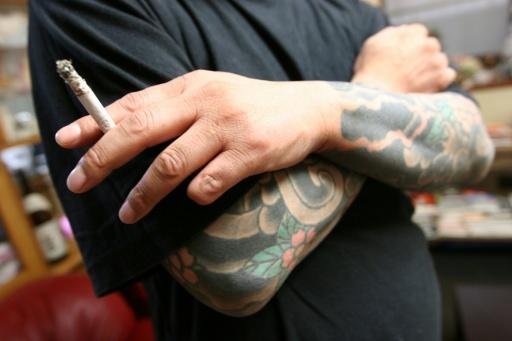
Unlike the yakuza, famous for their tattoos, rigid hierarchies and codes of honor, tokuryu — a term meaning “anonymous and fluid” — operate through social media, encrypted messaging apps and online job advertisements. Shadowy leaders recruit disposable foot soldiers for specific crimes, insulating themselves from arrest while running what experts describe as a criminal “gig economy.”
Takanori Kuzuoka, a 28-year-old former tokuryu operative now in prison, offered rare insight into this world through handwritten letters exchanged with AFP over five months. Kuzuoka said he deliberately avoided joining the yakuza, seeing little appeal in their strict rules and declining influence.
“I never understood what benefit there is in being a yakuza these days,” he wrote, describing how he moved from teenage biker gangs into organized crime as a recruiter and coordinator for tokuryu operations.
According to Kuzuoka, tokuryu groups rely heavily on yami baito — illegal part-time jobs advertised online as “high-paying work.” Recruits range from struggling sex workers and gambling addicts to aspiring entertainers, many unaware of the full criminal nature of the tasks they accept.
Authorities say scams are the backbone of tokuryu activity, particularly schemes targeting Japan’s elderly population. Losses from organized fraud reached 72.2 billion yen ($474 million) between January and July this year, already exceeding the total for all of last year. Police have labeled tokuryu their “biggest public order priority” and formed a 100-officer task force to dismantle the networks.
These crimes stand in stark contrast to the yakuza’s traditional self-image. While yakuza groups have long engaged in violence and illegal business, many claim to follow an unwritten “code of chivalry” that forbids preying on the weak.
“Scamming vulnerable old people is unthinkable,” said a former yakuza member in his 70s who spent 15 years in prison for killing a rival gangster. “Help the weak, fight the strong — that was our mantra.”
Yet even within yakuza ranks, there is acknowledgment of decline. A senior gangster allied with a major syndicate admitted that fewer young people are joining, deterred by strict hierarchies, rituals and years of unpaid service at the bottom.
“They come expecting glamour and leave disappointed,” he said, adding that younger generations prefer the freedom and quick money promised by tokuryu groups.
Once a visible and powerful presence in postwar Japan, yakuza syndicates have been steadily weakened by decades of anti-gang legislation. Laws introduced since the 1990s have restricted their access to bank accounts, housing, mobile phones and other basic services, pushing them further to the margins of society.
As traditional mobs struggle to survive, Japan’s criminal landscape is being reshaped by faceless networks that thrive online, operate without loyalty or honor, and leave a growing trail of victims behind. The rise of tokuryu signals not just a shift in organized crime, but a deeper generational and technological transformation of the underworld.