

Washington, D.C. — President Donald Trump’s ambitious plan to revive Venezuela’s oil sector by attracting billions of dollars in U.S. investment has run into stiff resistance from the very industry he hopes will bankroll it.
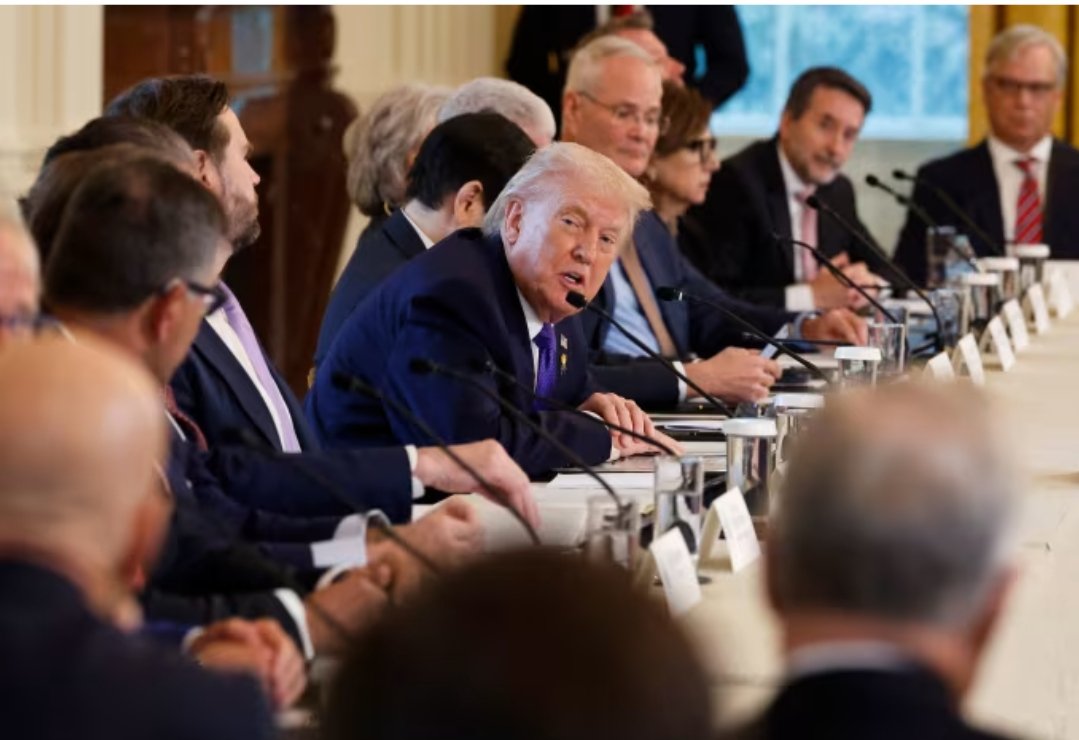
During a closed-door White House meeting on Friday, top executives from major U.S. oil companies expressed deep skepticism about the administration’s proposal to launch a massive new drilling campaign in Venezuela. Despite Trump’s assurances about future stability and profitability, the industry stopped short of making any concrete investment commitments.
ExxonMobil CEO Darren Woods offered the most blunt assessment of the situation, calling Venezuela “uninvestible” under current conditions.
“There are a number of legal and commercial frameworks that would have to be established to even understand what kind of returns we would get on the investment,” Woods told administration officials, according to people familiar with the meeting.
Industry Seeks Legal and Security Guarantees
Other executives echoed similar concerns, warning that Venezuela’s political uncertainty, weak legal protections, and security risks make long-term investments extremely risky. Several attendees stressed that oil companies would require ironclad security guarantees, stable financial terms, and legal assurances before committing to projects that would take years—and billions of dollars—to develop.
Executives also privately questioned whether any agreements struck with the Trump administration would remain valid beyond his presidency, or survive a potential change in Venezuela’s leadership.
Even Harold Hamm, a prominent oil investor, shale pioneer, and longtime Trump supporter, urged caution.
“It’s got its challenges,” Hamm said. “There’s a huge investment that needs to be done, we’ve all agreed on that, and certainly we need time to see that through.”
Trump Defends His Vision
Trump, however, remained confident that Venezuela could soon become a viable destination for U.S. energy companies. He pointed to the country’s vast oil reserves—the largest proven reserves in the world—and argued that American firms would benefit enormously if they moved quickly.
“If you don’t want to go in, just let me know,” Trump told the executives during the meeting. “Because I’ve got 25 people that aren’t here today that are willing to take your place.”
The president also insisted that interim Venezuelan leader Delcy Rodríguez would cooperate with U.S. efforts to restore the country’s oil industry, even after Trump authorized the capture of former President Nicolás Maduro while leaving much of the existing regime intact.
“They seem to be an ally, and I think it’ll continue to be an ally,” Trump said.
No Clear Security Plan
Despite promising companies “total safety, total security,” Trump did not provide specific details on how the U.S. government would ensure the protection of personnel, infrastructure, and assets in Venezuela. He also declined to commit major federal resources to support the effort.
When pressed after the meeting, Energy Secretary Chris Wright offered limited clarity, saying the administration’s initial focus was to “change the behavior of the government in Venezuela.”
$100 Billion Investment Goal Still Distant
Trump has repeatedly claimed that as much as $100 billion in new private-sector investment could flow into Venezuela to rebuild its oil industry. However, Wright acknowledged that the administration has yet to make meaningful progress toward that figure.
“I think that’s a quite reasonable number,” Wright said, while conceding that rebuilding Venezuela’s oil sector would take significant time.
“That’s not next week, that’s not next month,” he added. “But that’s the trajectory we’re aiming to get on.”
Chevron, currently the only U.S. oil company operating in Venezuela, has indicated it could increase its production by about 50% over the next 18 to 24 months, but only if it receives specific permissions from the U.S. government to expand its operations.
An Uncertain Path Forward
While oil companies have shown cautious interest in participating in Venezuela’s reconstruction, their reluctance underscores the immense political, legal, and financial hurdles facing Trump’s plan. For now, Venezuela remains a high-risk bet—one that America’s largest energy firms appear unwilling to make without sweeping reforms and long-term guarantees.
As one executive summarized privately after the meeting: the opportunity may be enormous, but the risks are even bigger.