


Those areas accounted for more than half the incremental registrations, around 55 per cent, even as rural India recorded the fastest growth in percentage terms.
According to the data from market analytics firm JATO Dynamics, non-metro urban markets added 389,401 vehicles during the 10-month period. This was more than the combined addition of 161,965 in rural markets and 155,698 in metros.
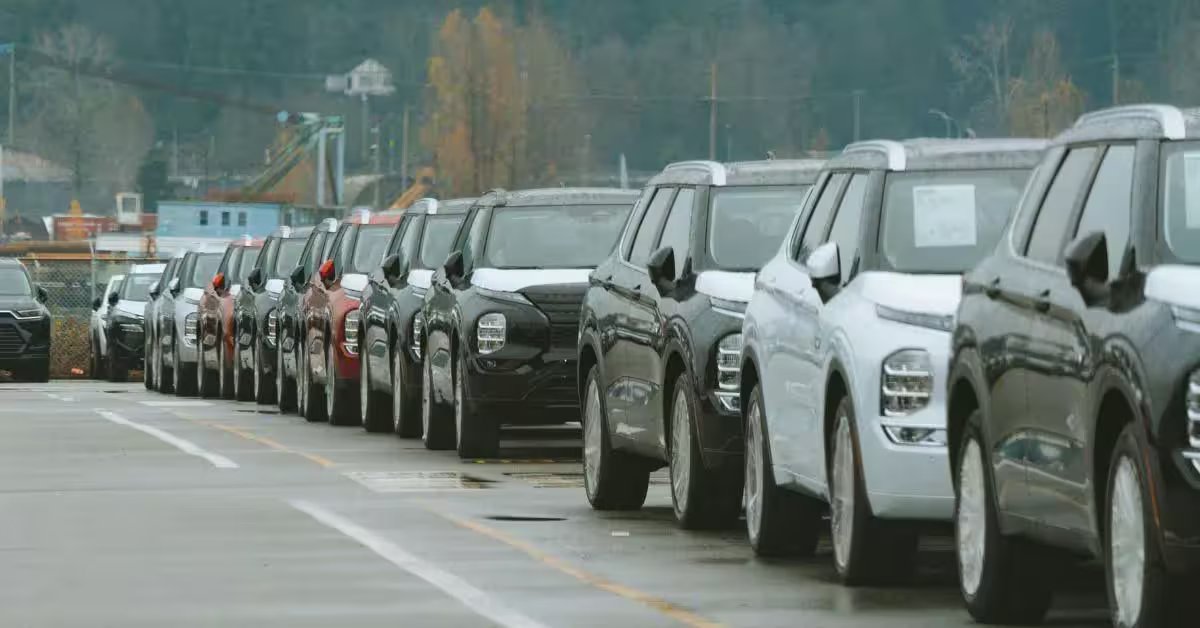
Registrations in non-metro urban markets rose 17.5 per cent year-on-year to 2.61 million units from 2.22 million in the corresponding period last year. These markets have a share of 57.3 per cent of India’s total PV registrations, underlining the importance of smaller cities and towns to automobile manufacturers.
Overall PV registrations grew 18.4 per cent to 4.56 million units during January-October, as against 3.85 million a year earlier.
While rural India led growth at 27 per cent, its share in registrations stood at 16.7 per cent. Metros, meanwhile, recorded 15.1 per cent growth and accounted for 26 per cent of the market.
“Rural India is leading in growth rates, but non-metro urban India remains the biggest engine of absolute market expansion,” Bhatia said.
The strong 10-month performance of smaller cities is significant against a sharp decline in October registrations.
These markets recorded an 18 per cent year-on-year fall during the month, compared with declines of 8.3 per cent in metros and 9.2 per cent in rural markets.
Non-metro urban markets, however, accounted for 57.5 per cent of October registrations.
“Demand in smaller cities has remained reasonably strong this year, particularly for sport utility vehicles and higher variants. However, customers are becoming more careful about their purchases. Financing costs and monthly instalments are important considerations, especially for first-time buyers. The numbers for October may also reflect the shift in the festival calendar, so we need to look at sales in November before drawing conclusions,” said a PV dealer in Indore.
Bhatia had earlier highlighted the possibility of affordability pressures affecting aspiring buyers in smaller cities, where demand may be more sensitive to rising vehicle prices, equated monthly instalments (EMIs) and ownership costs.
Unlike metros, which benefit from a greater concentration of wealth and replacement demand, smaller cities have a large base of aspirational buyers who may be more sensitive to increases in the cost of car ownership. Rural markets, on the other hand, have relatively low car penetration, providing scope for first-time purchases.
However, the strong January-October performance suggests that the decline in October cannot yet be treated as evidence of a sustained slowdown in smaller cities. Diwali taking place in November this year as against in October last year also complicates year-on-year comparisons, making the combined festival-period performance important in assessing the underlying demand trend.
For automakers, the numbers underline the importance of non-metro urban markets, which continue to generate the largest addition to PV registrations despite growing more slowly than rural India.
“Metros are relatively mature markets, where a significant part of demand comes from replacement purchases. Smaller cities still have a large pool of households buying their first car, while existing owners are also upgrading their purchases. This combination is helping these markets contribute more to sales growth,” the dealer quoted above said.
The question now is whether October’s weakness was largely a festival-calendar distortion or an early indication of pressure on the aspirational middle-class buyer in smaller cities.