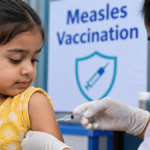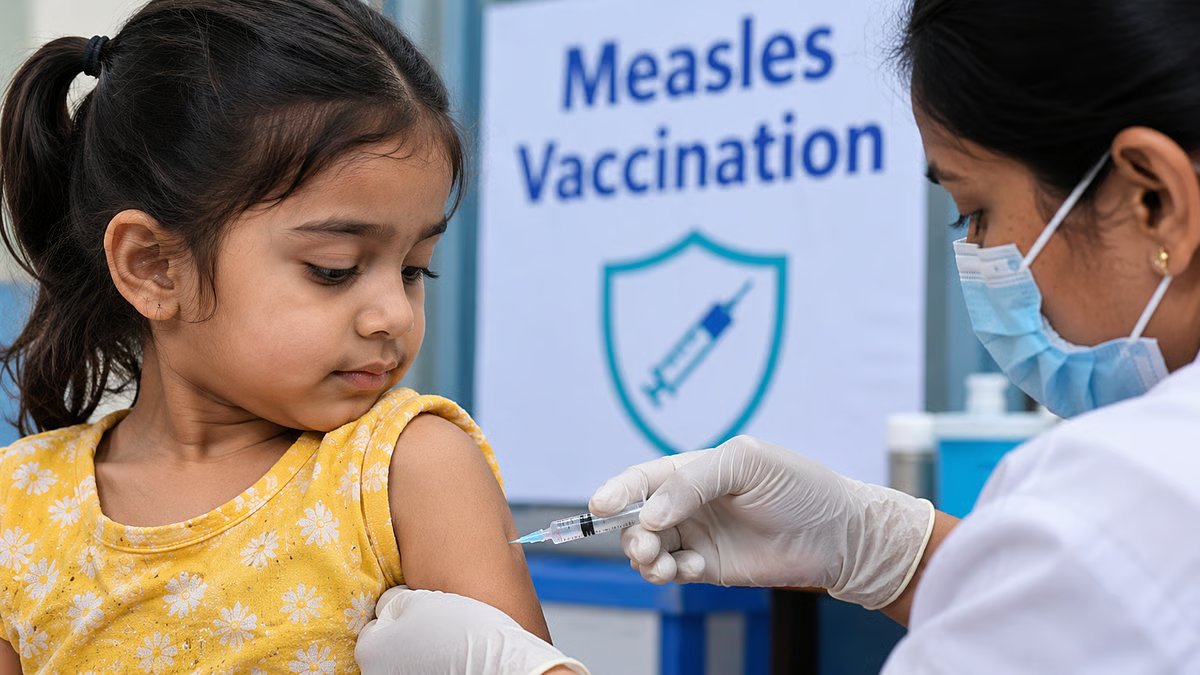

India has recorded a significant improvement in measles vaccination, with 98 per cent of children receiving the first dose and 95 per cent getting the second dose in 2025. However, despite the progress, the country is unlikely to meet the World Health Organisation’s (WHO) target of eliminating measles and rubella by the end of 2026.
WHO and UNICEF estimates show that India has, for the first time since tracking began in 2001, moved out of the 10 countries with the highest number of children missing measles vaccinations. Yet, nearly 18,000 measles cases were reported in the country last year, underlining the challenges that remain.
India makes significant gains in vaccination
India’s coverage figures are well above the global averages of 84 per cent for the first dose and 77 per cent for the second. The achievement is particularly notable given that nearly 23 million children are born in the country every year.
Kate O’Brien, Director of the department of Immunisation, Vaccines and Biologicals at WHO, described the progress as the result of years of sustained investment.
“India is a country that has made absolutely extraordinary gains in immunisation, including against measles. This improvement has been very hard earned and invested in over many years. And, the investments are now paying off… Countries like India that have achieved very high vaccination coverage, will now have to sustain that coverage.
This also means trying to identify those small sub-national populations, pockets of children, that still remain unreached for whatever reason. Until the country reaches everyone, regardless of the size of community and distance from health facility, the country will continue to remain at risk of measles cases,” O’Brien said.
Why the 2026 target remains difficult
India recorded 17,995 measles cases in 2025, a considerable decline from 65,150 cases in 2023. However, measles is highly contagious, and outbreaks can continue in communities where children have missed their doses.
Remote locations, frequent movement among migrant families, and vaccine hesitancy can leave some children outside routine immunisation programmes. WHO has stressed that high national coverage figures cannot conceal these gaps.
O’Brien also warned against reducing efforts to sustain vaccination.
“This is not the time to take the foot off the gas pedal… if you take the effort out and the investment starts to fall then the coverage will not be sustained and children will again be unprotected and exposed,” she added.
India could achieve elimination verification by 2032
WHO experts believe India could interrupt indigenous measles transmission by 2029. Elimination verification would follow after the country records three consecutive years without indigenous transmission, putting the potential timeline at 2032.
Measles can cause fever, cough and rashes, but severe cases may lead to complications such as pneumonia and brain inflammation. Sustaining high vaccination coverage and reaching children who remain unprotected will be crucial to stopping its spread.