
India has administered more than 10 million doses of the human papillomavirus (HPV) vaccine in less than nine months, achieving nearly 87% coverage of its annual target population under a nationwide campaign to prevent cervical cancer, the Union health ministry said on Saturday.
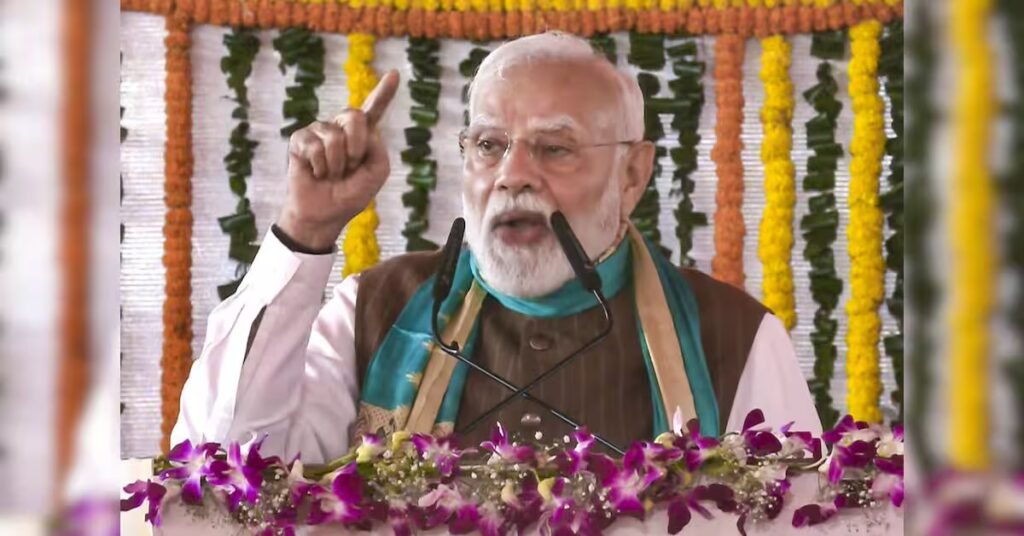
The milestone was reached under the National HPV Vaccination Campaign, launched by Prime Minister Narendra Modi on February 28, 2026, in Ajmer, Rajasthan. The programme provides free, voluntary single-dose vaccination to 14-year-old girls at designated government health facilities, subject to parental consent.
According to the ministry, the campaign has covered nearly 87% of its identified annual target cohort of approximately 1.2 crore girls, based on the Registrar General of India’s 2021 population estimates.
The ministry described the achievement as a major step towards protecting adolescent girls from HPV infections that can cause cervical cancer and expanding preventive healthcare services across the country.
“India has achieved a major milestone in its efforts to prevent cervical cancer,” the ministry said, adding that the initiative reflected growing public confidence and strong coordination between the Centre and states.
Six states achieve complete coverage
Six states have reached 100% coverage of their identified target populations under the campaign. These are Gujarat, Uttar Pradesh, Andhra Pradesh, Mizoram, Madhya Pradesh and Bihar.
Several other states have also reported high vaccination coverage.
Assam has recorded 95.63%, followed by Telangana at 95.28%, Karnataka at 93.16% and Uttarakhand at 90.17%.
Chhattisgarh has achieved 86.21% coverage, while Rajasthan has reached 85.23%.
Kerala has recorded 77.02%, Tamil Nadu 76.12%, and Odisha along with the Union Territory of Dadra and Nagar Haveli and Daman and Diu has reported 72.99%.
In terms of the number of girls vaccinated, Uttar Pradesh leads the country with more than 29.33 lakh beneficiaries. Bihar follows with over 13.70 lakh, while Gujarat has administered the vaccine to more than 7.75 lakh girls.
The ministry said the achievement was supported by coordinated efforts involving state and Union Territory governments, healthcare professionals, frontline workers, teachers, parents and local communities.
It added that district administrations, public health institutions and healthcare teams had adopted tailored approaches to expand access in rural, urban, remote and geographically challenging areas.
U-WIN platform and safety arrangements
Digital health infrastructure has played an important role in the campaign, with the U-WIN platform supporting real-time monitoring and beneficiary tracking.
The platform also enables eligible beneficiaries to obtain information, book vaccination slots and access digital vaccination certificates. Parents and guardians of eligible girls have been encouraged to visit designated government health facilities or use U-WIN to register for vaccination.
The vaccine is administered under the supervision of trained medical officers. The government has also put in place 24-hour healthcare arrangements to manage rare adverse events following immunisation (AEFI), the ministry said.
The campaign is voluntary, and parental or guardian consent is mandatory before vaccination.
The nationwide drive was launched across all 36 states and Union Territories and covers approximately 1.2 crore girls aged 14 years annually.
Why HPV vaccination matters
Cervical cancer remains a major public health concern and a significant cause of cancer-related illness and death among women in India. It is the second most common cancer among women in the country after breast cancer.
Persistent infection with certain high-risk types of human papillomavirus is responsible for the vast majority of cervical cancer cases.
HPV vaccination is considered one of the most effective preventive measures against infections that can lead to cervical cancer and associated precancerous conditions.
The campaign targets girls at the age of 14, before potential exposure to the virus, to maximise the vaccine’s preventive benefit.
The health ministry said more than 800 million HPV vaccine doses have been administered worldwide. Nearly two decades of scientific research and real-world experience have demonstrated strong protection against vaccine-targeted HPV infections and related precancerous conditions.
The nationwide campaign uses the single-dose Gardasil-4 vaccine, provided free of cost at government health facilities.
Government aims to reach remaining beneficiaries
The ministry said the achievement of administering more than one crore doses within nine months reflected the scale and momentum of the initiative.
It described the campaign as a significant investment in the health of adolescent girls and a step towards reducing the burden of preventable cervical cancer in future generations.
“By providing vaccination to girls at the age of 14 years, the campaign seeks to offer protection well before potential exposure to HPV, thereby contributing to the long-term prevention of cervical cancer,” the ministry said.
It added that the safety and well-being of every beneficiary remained a fundamental priority.
With the one-crore-dose milestone achieved, the Union health ministry said it would focus on reaching the remaining eligible girls, addressing gaps in coverage, strengthening awareness and ensuring equitable access to HPV vaccination across all states and Union Territories.