
India’s rapid renewable capacity addition, which continues to outpace transmission augmentation, particularly in resource-rich states such as Rajasthan and Gujarat, is increasing grid congestion and the need for storage to absorb surplus generation, shift supply to non-solar hours and ease network constraints.
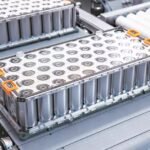
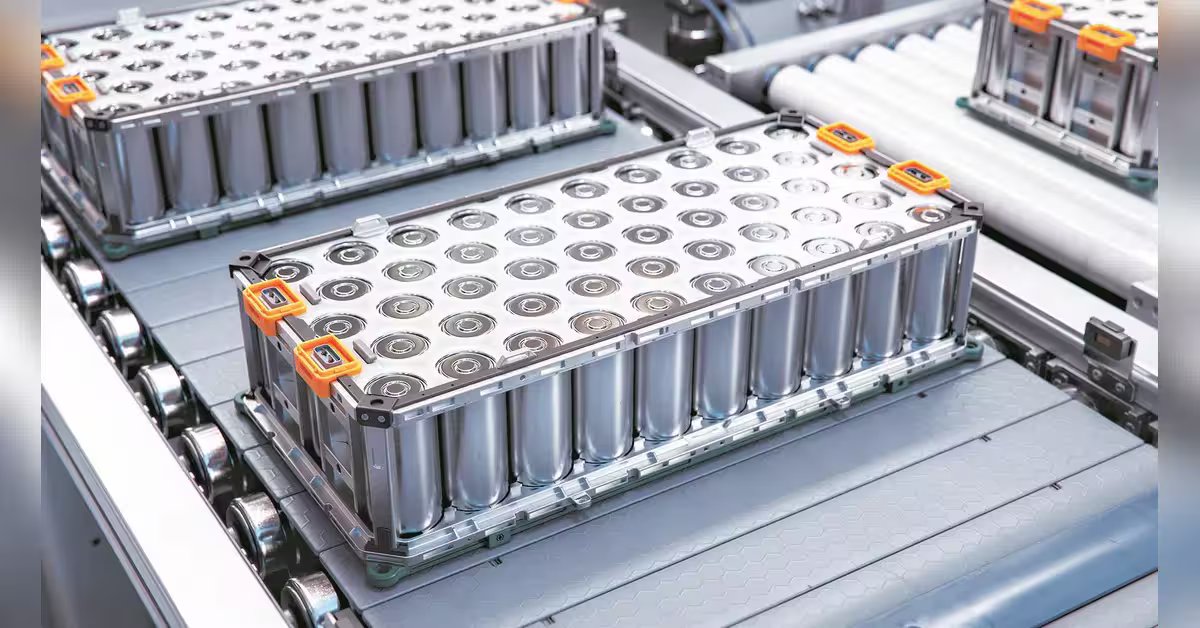
The country’s battery energy storage system (BESS) market is moving from tendering to execution, backed by strong policy support and a large tender pipeline, ratings agency ICRA said in a report.
“However, the rebound in battery prices, rupee depreciation and aggressive bids make timely battery procurement, robust long-term service agreements and offtake tie-ups critical for project viability,” it said.
According to the report, strong energy storage demand and a sizeable tender pipeline are supporting growth in the sector, but execution remains a key monitorable.
“Operational BESS capacity is also rising, signalling progress from tendering to deployment. Policy support, including the government’s Viability Gap Funding schemes announced in 2023, 2025 and 2026 covering 135.8 gigawatt-hours, provides a significant source of capital support,” the report said.
ICRA added that the viability of the recently aggressively bid projects would critically depend on battery procurement costs and currency movements. For developers in the renewable energy sector, costs not covered by the supplier, including performance penalties, additional batteries and post-warranty maintenance, are important risks.
“At a battery pack cost of USD 70 per kilowatt-hour, the cumulative debt service coverage ratio of 1.17-1.27 times is expected at tariffs of Rs 2.60-2.80 lakh per megawatt per month. Competitive procurement and protection against cost escalation remain central to the assessment,” the report said.
It added that lower upfront funding and supplier guarantees do not eliminate future costs and operating risks, and project assessment should account for eventual duty payments and check whether supplier guarantees adequately cover commitments to the power buyer.