
Bangladesh has approved a 36% increase in the minimum monthly wage for garment workers, taking it to 17,000 taka, or about $139. The revised pay scale, announced early Wednesday, is the smallest wage hike in more than a decade and comes after weeks of protests demanding substantially higher earnings.
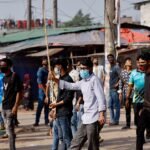
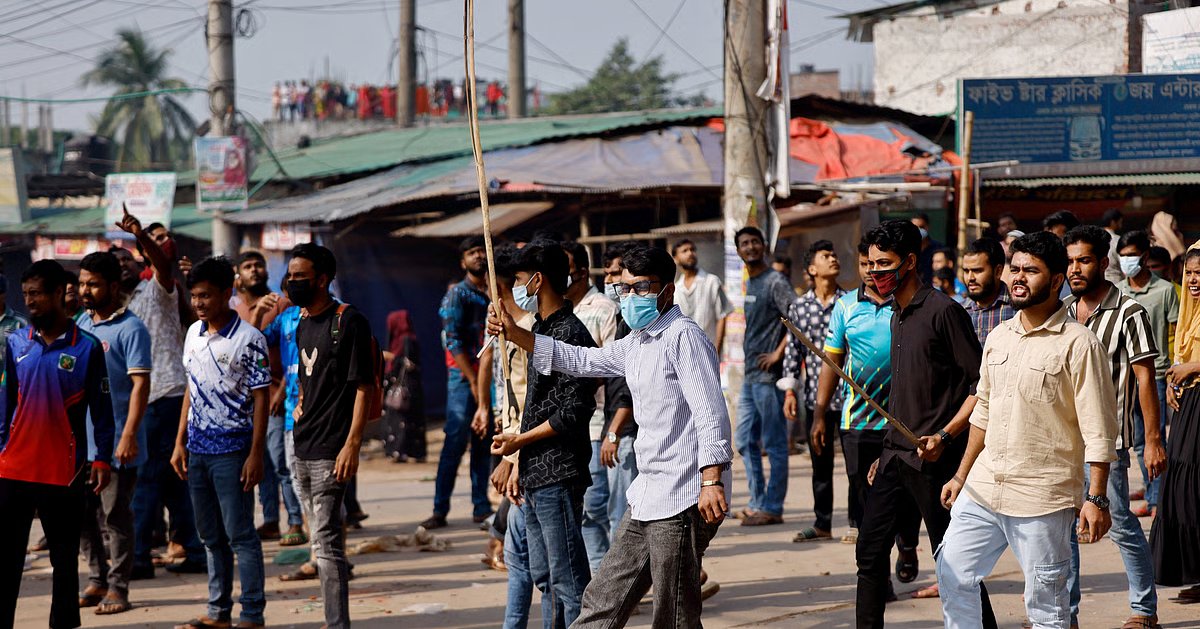
The unrest had disrupted production across the country’s garment industry, with workers calling for their wages to be doubled. Demonstrations shut factories, blocked highways and led to clashes with police, putting pressure on a sector that employs more than four million people and accounts for over 80% of Bangladesh’s export earnings.
The industry supplies major international retailers, including H&M, Zara, Walmart, Target and Gap.
Wage board approves revised pay after overnight negotiations
The government-appointed wage board finalised the new structure at around 2 am on Wednesday, following nearly 12 hours of negotiations between representatives of workers and factory owners.
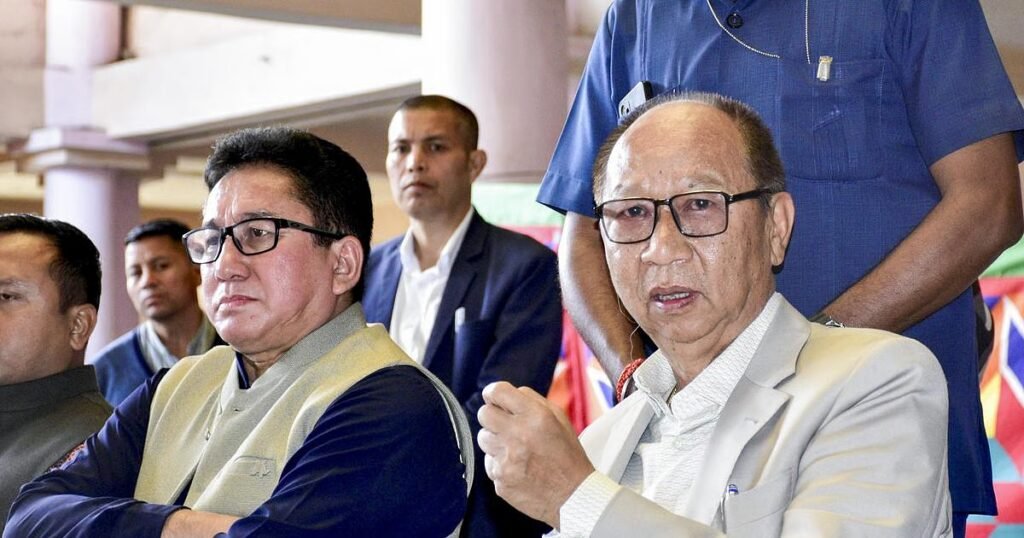
The six-member board, comprising two worker representatives, two employer representatives and other members, approved the proposal by a 4-2 vote.
Workers’ representative Babul Akhter said four members backed the revised minimum wage of 17,000 taka, while two supported the workers’ demand for 18,000 taka.
The existing minimum wage, introduced in 2023, stands at 12,500 taka. Under the new four-grade structure, monthly salaries will range from 17,000 taka for Grade 4 workers to 21,500 taka for those in Grade 1.
The lowest grade will therefore receive an additional 4,500 taka a month compared with the current minimum.
Workers had sought a much larger increase
Garment workers initially demanded a minimum monthly wage of 32,000 taka. Their demand was later reduced to 18,000 taka during negotiations.
Factory owners, meanwhile, began by proposing a minimum wage of 15,000 taka before raising their offer to 17,000 taka, which was ultimately adopted by the board.
The latest increase is considerably lower than previous revisions. Bangladesh raised garment workers’ minimum wages by 56% in 2023, 51% in 2018 and 77% in 2013.
The comparatively modest rise has raised questions about whether it will be sufficient to end the unrest and restore normal operations across the industry.
Factory closures and order losses mount
The protests have caused significant disruption to garment manufacturing. The Bangladesh Garment Manufacturers and Exporters Association (BGMEA) reported that 397 factories could not operate on Tuesday, while another 84 remained closed under the labour law provision known as “no work, no pay”.
A BGMEA survey found that around 317 factories suffered production losses of approximately $428 million during 18 days of disruption. Buyers also shifted orders worth about $254 million to other countries, adding to concerns over Bangladesh’s position in the global apparel supply chain.
Factory owners have cautioned that further wage increases could push up manufacturing costs and undermine the country’s competitiveness against other garment-producing nations.
Labour rights groups, however, have argued that higher wages are essential to protect workers’ living standards and secure lasting stability in the sector.
The revised wage structure will come into force on December 1. Workers are expected to receive their updated salaries from January.